Five Big Canines That Keep Drool to a Minimum
Logan Rivera
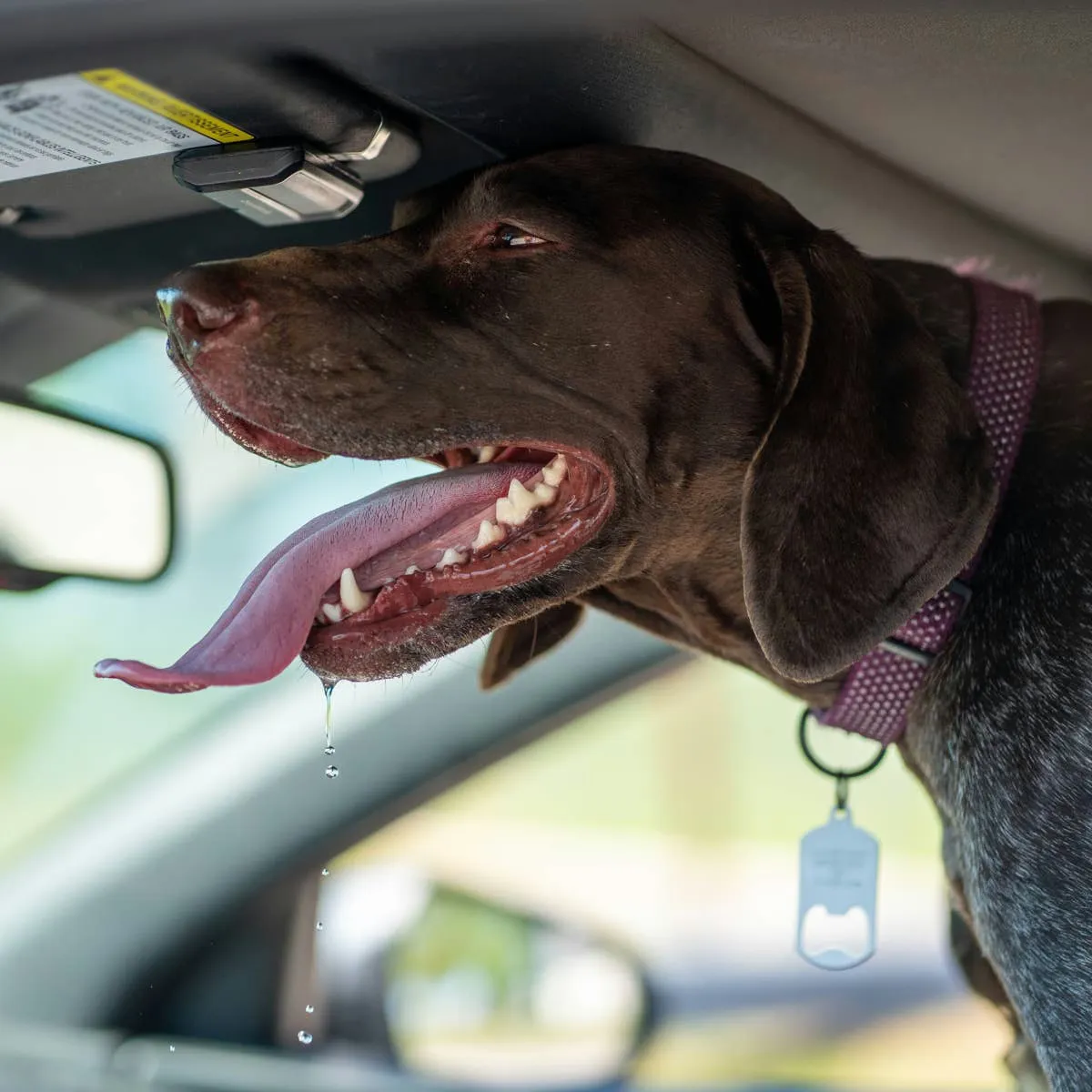
Why Drool Matters When Choosing a Big Dog
People often overlook how much a dog drools when they are picking out a new pet. This can be a rude awakening once the dog is home. Some owners become so frustrated that they surrender the dog to a shelter or banish it to the yard, ignoring its need for companionship.
Is it really a big deal? For many, yes. Not everyone can tolerate a Dogue de Bordeaux slobbering all over their home. Others are more bothered by shedding, barking, or behaviors like digging and jumping. Every factor deserves consideration.
The goal is to help you choose a dog that fits your life. If excessive drool is a deal-breaker, the following breeds are worth a look.
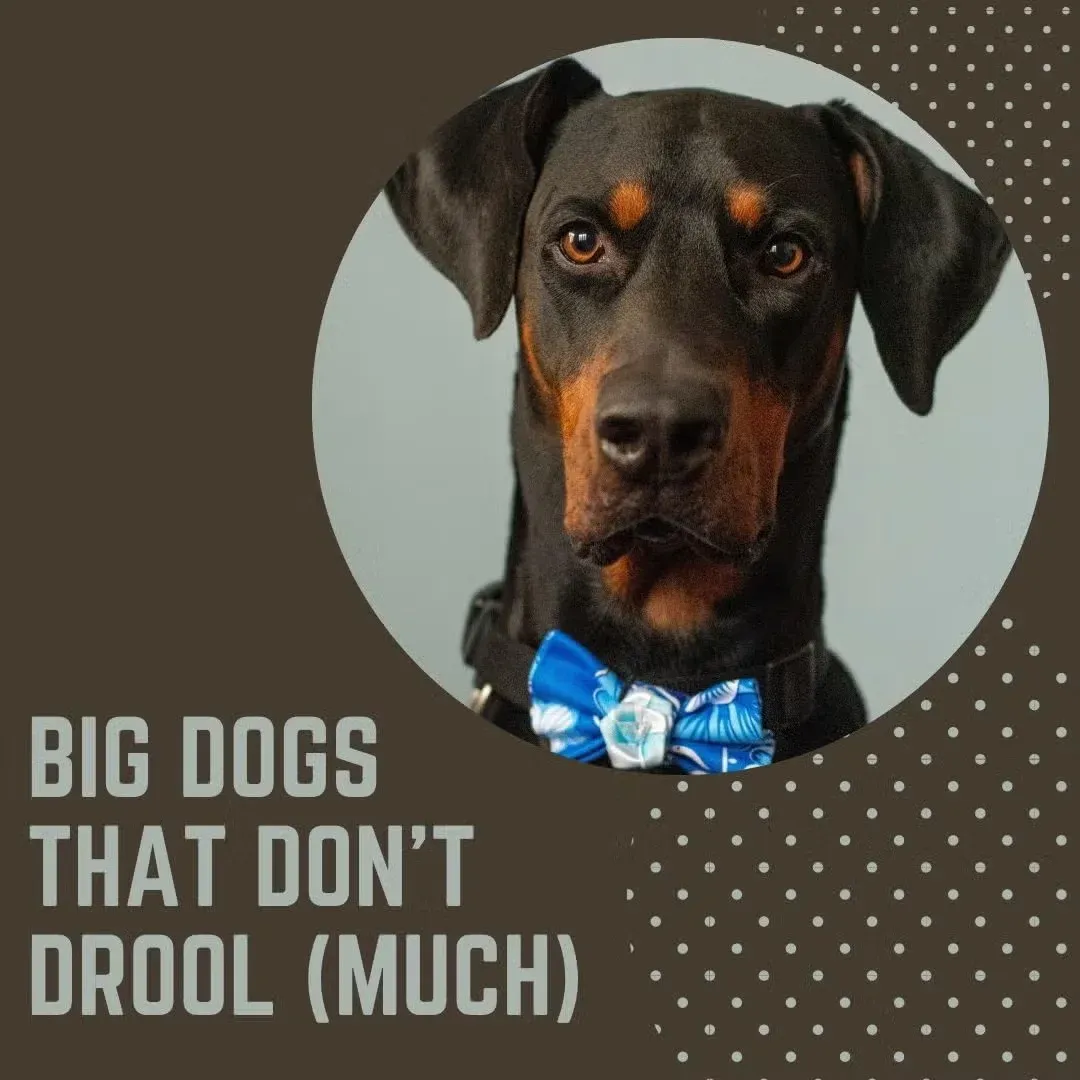
Don’t like slobbering dogs? Here are five big, large dogs that don’t drool.
Kinshuk Bose via Unsplash.com
Five Big Dogs With Minimal Drool
- Leonberger
- Borzoi
- Old English Sheepdog
- Doberman
- Standard Poodle
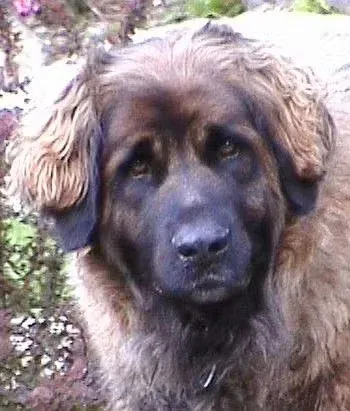
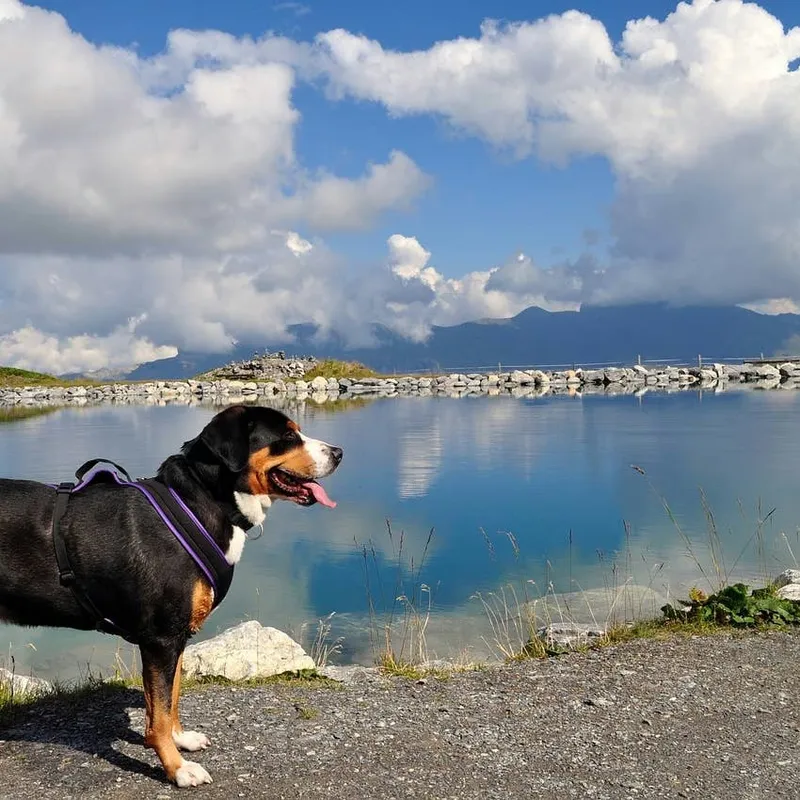
The Leonberger is one of the few giant dogs that does not drool much.
cc-by ickr.com tinalouise 10560876
1. Leonberger
This striking German breed sheds a fair amount but does not drool heavily.
It is one of the few giant breeds that produces little saliva. Although their ancestors included drooling breeds, Leonbergers were bred to have tight lips. Most giant breeds lack this feature and tend to dribble constantly.
Leonbergers are more likely to create a mess while drinking and may need their faces wiped a few times a day.
After World War II, only about eight Leonbergers remained, and all today's dogs descend from them. Breeds with such a narrow gene pool often suffer from inherited conditions like hip dysplasia. In Leonbergers, however, this disease is not a major issue because breeding dogs are screened and only certified individuals are allowed to reproduce.
Still, these dogs can develop bloat and heart problems, as many large breeds do. They are also prone to several types of cancer, possibly inherited, retinal atrophy (PRA), and eyelid diseases. Leonbergers typically live only about 7 years. Like all dogs, they need socialization and exercise, but this giant is friendly, good with children, playful, and a wonderful companion.
And they usually do not drool much!
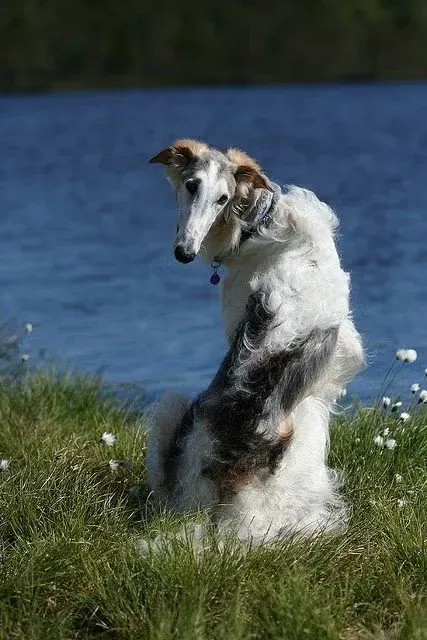
The Borzoi has a narrow face and does not drool much.
cc-by ickr.com mercar 3567968410
2. Borzoi
This sighthound may not look it, but he is actually quite large. Many weigh over 45 kilos (about 100 pounds) and are great because they do not bark much and are not likely to drool.
Unlike some large breeds, they also do not make much of a mess when drinking.
Borzoi are usually healthy but are at risk from bloat because of their deep chests. Hip dysplasia is very rare, and dogs usually live to about 11 years.
These dogs aren’t very good guards, but they are large enough to look intimidating. They would rather be off running instead of guarding, of course, and if you get one of these dogs, make sure you have an enclosed place to let him run free.
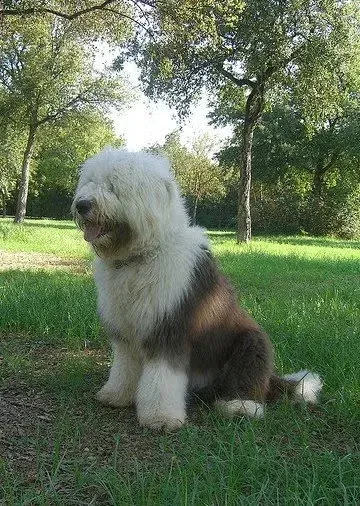
Old English Sheepdogs may be messy drinkers, but they don’t drool much.
cc-by ickr.com torta 1275641400
3. Old English Sheepdog
Most of these dogs do not drool much; most people cannot tell this because their faces are covered in hair! They do tend to make a mess when they drink, of course, but any dog with a beard would have trouble staying dry.
This dog is actually a shepherd, large (around 45 kilos, or 100 pounds) and intelligent enough to compete in all sorts of activities. They are good in obedience, agility, tracking, and even personal protection events (Schutzhund)!
Old English Sheepdogs have big dog problems like hip dysplasia and bloat, and dogs are also prone to heatstroke because of their heavy fur coats. They usually live about 11 years.
Most of them are calm dogs, quiet and happy to sit around with their human family.
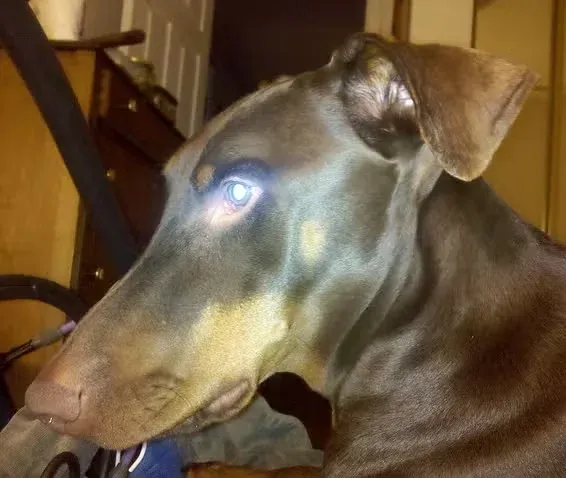
Dobies are good dogs for a small house.
cc-by ickr.com craftbrewcast 5046258215
4. Doberman
This breed was also developed using a lot of breeds that drool, but they were selected with tight lips, and Dobermans do not drool much.
They were originally meant to be personal protection dogs, and of course, they are still ideal for this job. Doberman Pinschers (Dobies) are large but not giant, weighing only about 45 kilos (100 pounds).
Some dogs are prone to heart disease (dilated cardiomyopathy), hemophilia (von Willebrand´s disease), and several other inherited diseases. A Dobie that is free of these problems has a life expectancy of about 11 years.
Since they have a short coat and do not drool, Dobies are good dogs for a small house. They are not considered an aggressive dog with their family but may be with strangers.
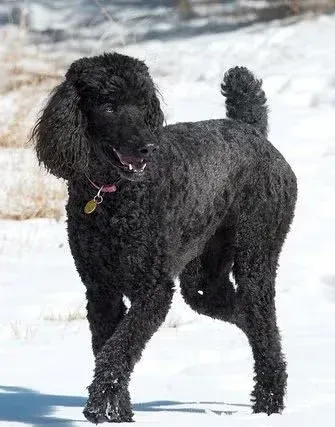
The Standard Poodle usually has a clean face, does not drool much, and does not make a mess when drinking.
cc-by ickr.com pmarkham 6886277796
5. Standard Poodle
This is the large dog breed least likely to drool and, since their faces are often clipped clean, they are also unlikely to make a mess drinking water.
Poodles are often companions and house dogs today, but they were originally gun dogs. They are active and intelligent, do not shed much,
Some of their health problems can be pretty serious. Besides being prone to bloat and hip dysplasia, like a lot of large dogs, many develop a serious disease of the adrenal glands (Addison’s disease). They also may develop epilepsy, skin diseases, and kidney disease.
Standard Poodles usually live about 12 years. If you are worried about excessive drooling because of allergies to dog saliva, this really is a great breed. Besides the clean face and lips that discourage drooling, Poodles are usually bathed and brushed often to keep the coat in shape. That will reduce the dried saliva and dander on the dog, making the Standard Poodle one of the best hypoallergenic dog breeds.
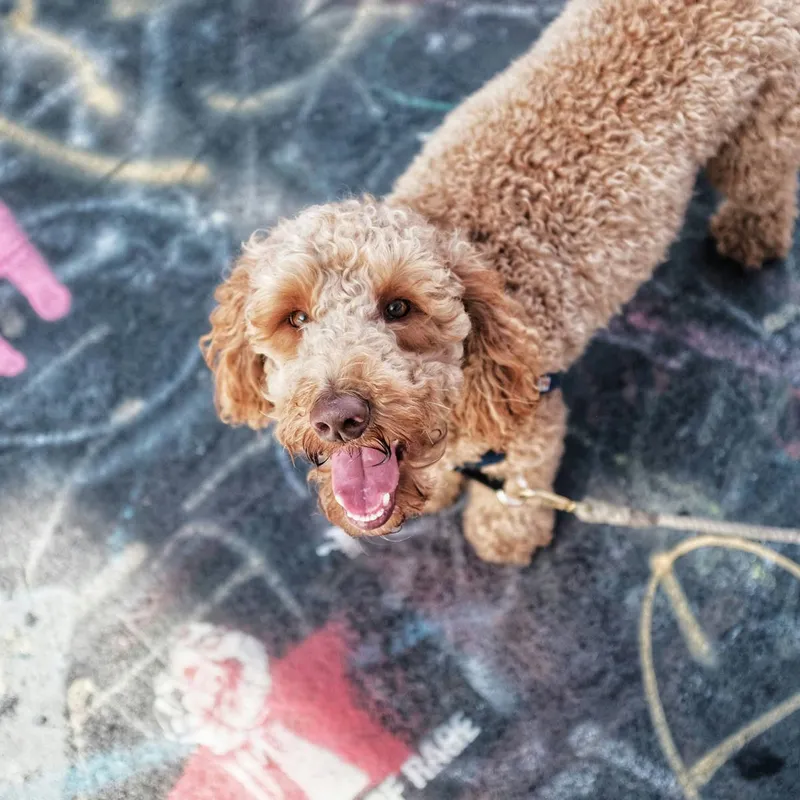
If the great qualities of a Standard Poodle are what you want, but you do not like the looks of the breed, you might be interested in some of the designer dogs being developed using Poodles. Almost any cross is available, but Labradoodles (Labrador Retriever cross) and Goldendoodles (Golden Retriever cross) are both popular.
If you are worried about drooling, check out the puppies carefully. Things change as they grow, however, and no one can tell you that a crossbred puppy will not drool as an adult. Breeders also cannot tell if the puppy will have a low-shedding coat like a Poodle, nor what health issues the adult designer dog might have.
How to Find a Dog That Doesn't Drool Much
Many wonderful dogs end up in shelters each year. Sometimes it's due to a move, other times because the dog was chosen for looks alone.
So if you want a dog that doesn't drool much, start by visiting your local shelter. Volunteers can help you examine a dog's face and judge whether she's likely to drool.
You can also search for specific breeds, like those listed here, on Petfinder.com. Visiting dog shows and talking to breeders about the type of dog you want is another option. (Some breeders advertise puppies online, but always investigate thoroughly and only buy if you can visit the kennel and see the parents and littermates.)
Never buy from a pet shop or an internet puppy wholesaler. That means supporting a puppy mill, and you'll likely end up with a dog that has behavioral and housetraining issues. Excessive drooling will be the least of your problems.
More About the Best Dogs
- 4 Great, Large Dog Breeds With a Long Life Expectancy Here’s a list of large dogs with longer average lifespans, and some tips to help you extend your dog’s life expectancy. This article will help you if you’re looking for a big dog to enjoy a long life with.
- 5 Large Dog Breeds That Look and Sound Like Guards All of these dogs look like guards. Pictures, videos, and details will give you the advice you need to choose one of the best dogs with a fierce gaze and a deep bark.
Sources
- Five Big Canines That Keep Drool to a Minimum — pethelpful