Schnauzer Behaviour Solutions: A Practical Guide for Owners
Hayden Carter
Understanding the Schnauzer as a Companion
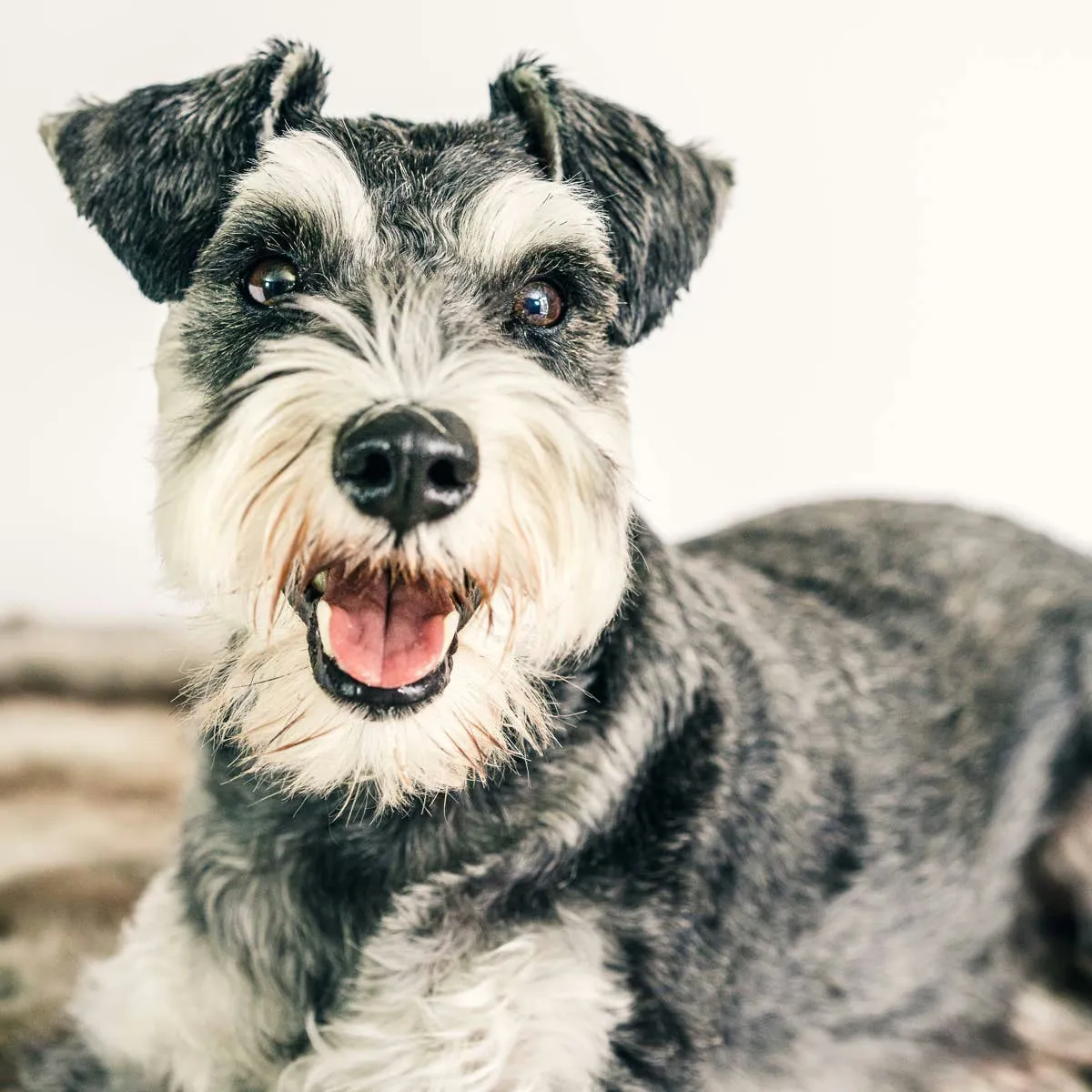
This article aims to share useful knowledge about the schnauzer, a breed that ranks among the most favoured dogs in the United States. Schnauzers are wonderful companions and family pets, but proper training and handling remain necessary to prevent typical problems from arising.
Owners of any breed can face behavioural issues with their dogs, and these issues can sometimes ruin the enjoyment of having a pet. The good news is that nearly all problems can be avoided if they are addressed early or from the very beginning.
Typical Behavioural Issues in Schnauzers
Schnauzer problems resemble those seen in most dogs, but they can escalate if you don't deal with them promptly. The formula is straightforward: give your dog sufficient attention, handle issues correctly, and build a relationship from the start so they stay healthy and content throughout their life. As an owner, you may well encounter some difficulties, particularly if your dog hasn't been trained from a young age. Below are some common problems and their solutions.
Barking
If not properly trained, schnauzers can be quite noisy. Their high energy combined with a tendency to bark means that without early intervention, barking can become a serious issue.
Solution: Schnauzers were originally bred to work throughout the day, so they require genuine exercise—ideally around 45 minutes daily, not merely a 20-minute walk around the block. Without enough physical activity, they will redirect their energy into other behaviours, such as excessive barking.
Chewing
Like all dogs, schnauzers sometimes chew. They were bred to eliminate pests, and they enjoy chasing and “killing.” Chewing can become problematic, but it is usually easy to discourage.
Solution: Provide your dog with a toy to play with and chew on, which will help stop them from chewing your shoes.
Biting
Biting isn't a major issue for this breed, but it does happen. The main problem is that many owners allow biting behaviour to continue when the dog is still a puppy and small and cute. A tiny puppy playing is adorable, but all dogs eventually grow larger with big teeth and will keep biting indiscriminately.
Solution: Teach your puppy that biting hurts and ensure they have plenty of chew toys.

All About the Schnauzer Breeds
Paula Brustur
Schnauzer Varieties and Sizes
The term schnauzer (derived from the German word for ‘snout’) was first recognised in 1842. The breed takes its name from one of its kind—a show-dog winner named “Schnauzer”—at the 1879 Hanover Show in Germany. For the past 600 years, schnauzers have been a consistently popular breed. These energetic dogs were common on farms as ratters, for guarding livestock, and for hunting.
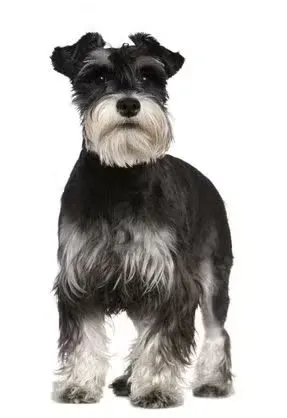
The Standard Schnauzer
There are three varieties or sizes of schnauzer dog:
- Miniature
- Standard
- Giant
The Standard Schnauzer is the original schnauzer from which the miniature and giant breeds were developed in the late 19th century.

There are three sizes of schnauzers.
Origins of the Miniature Schnauzer
The Miniature Schnauzer is one of the most popular breeds worldwide, mainly for its temperament and small size. The breed originated in Germany in the mid-to-late 19th century as a cross between a Standard Schnauzer and a smaller breed, such as the Poodle or Affenpinscher. Originally bred to be medium-sized farm dogs from the Standard Schnauzer, they are equally suited to ratting, herding and guarding property.
The breed was introduced to the United States by immigrants from Germany. The first litter was born in 1925, and in the same year, the first Wire-Haired Pinscher Club of America was founded. Today the Miniature Schnauzer is placed in the Terrier Group, while the Standard Schnauzer and Giant Schnauzer are placed in the Working Group.
Breed Characteristics
Miniature Schnauzers usually have a small and solid build. They are robust, reliable and agile, but above all, very adaptable to different circumstances.
- Height: 12 to 14 inches (30 to 36 cm)
- Weight: 11 to 15 pounds (5.0 to 6.8 kg), males; 14 to 18 pounds (6.4 to 8.2 kg), females
Appearance
These dogs have a harsh and wiry double coat; the exterior fur is wiry and the undercoat is soft. They require a certain amount of grooming, but if you do not intend to enter dog shows, it is fairly straightforward. They are often described as non-shedding dogs, and while this is not entirely true, their shedding is minimal and generally unnoticeable.
Coat Colours
Worldwide, the Miniature Schnauzer comes in four different colours: black, black and silver, salt and pepper and white. In the U.S., the American Kennel Club only recognizes three colours and considers solid white to be a point for disqualification.
Temperament
Miniature Schnauzers are often described as alert and intelligent. They are usually friendly, willing to please and obedient to commands if trained correctly. They make excellent watchdogs and have good territorial instincts. They are more likely to alert by barking than attacking an intruder, and they are not typically aggressive. However, they will express themselves vocally and may bark to greet their owner or to express joy, excitement or displeasure.
Sociability
Miniature Schnauzers make excellent family dogs. They are usually good with children and also make great companions for older people. They are very playful dogs and require a certain amount of exercise; otherwise, they can become bored and invent their own entertainment, which can be inappropriate activities like chewing or digging and more.
Obedience Training Advice for Your Dog
For any dog owner who wants a well-behaved, liveable companion, obedience training should be a primary goal. No one wants to share their home with a dog that is out of control or misbehaves.
Be a Leader
Schnauzers are a very smart breed—sometimes they are smarter than most of us—and we need to train them in order to have control and to stay on top of their numerous antics. They are smart enough to solve problems in order to get what they want, and they often want to see how much they can get away with. It can be quite cute in the puppy stage, but you really need to establish yourself as the leader early in order to prevent problems later on.
Note
Keep in mind that if you do not train your schnauzer to be obedient, your schnauzer might train you.
Keep Up With Their Quick Learning Ability
Obedience training will teach your dog how to behave in certain situations that it will almost certainly encounter at some point in its life. And don’t forget—the intelligence of your schnauzer is not just a challenge, it is also great for training because it means they will learn faster than many other breeds.
Establish Your Desired Outcome
There are various ways to start obedience training. You could find a good training club in your area and attend classes for several months. This could be quite costly and you might like to undertake some training at home in your own time. Whatever way works for you—simply think about how you ultimately want to train your dog to achieve the best outcome. So, here is a brief rundown of what schnauzer obedience training can give you and how you and your dog would benefit from it.
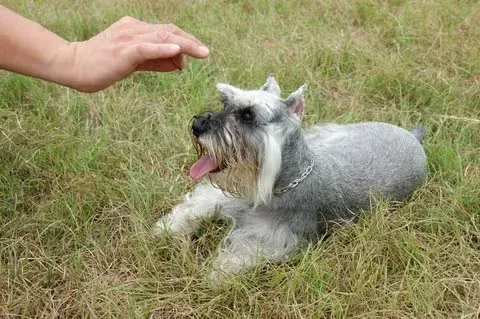
A well-behaved dog is desirable.
Benefits of Obedience Training for Schnauzers
Schnauzer obedience training should be practised on a daily basis. You’re training your dog anyway every day, whether you are aware of it or not. You are sending out signals to your dog just by interacting and caring for them, so it is important to get the basic signals right.
Consistency Is Important
Use the “sit” command before feeding dinner every day. That way, you maintain your leadership position and your dog gets a chance to acknowledge you as the leader. That also means that you will learn how to give commands effectively. Many dog owners neglect their responsibilities and feel like the burden lies with their dog to learn the commands. Think of dog training as a two-way street, and it will be far more effective.
Practice Leadership
It is important that you establish yourself as a leader. Your dog needs to learn that he has to listen to you at all times. Schnauzer obedience builds the cornerstone of all good training. If you attend an obedience-training class, make sure you transfer your leadership role from the training class and into your home. Your dog will have a much easier time following your lead if you are consistent in your training and expectations.
Use Basic Commands
Obedience training will provide you with basic commands like sit, stay, heel, speak, and quiet. Keep in mind that schnauzers are very intelligent, and they might pick up these commands very quickly. These commands form the basics that will make your dog more responsive in situations when it really matters.
Discourage Biting or Barking
Two of the most common problems that schnauzers develop are biting and barking. Biting can unwillingly develop during puppyhood when nipping and biting are considered play. Biting, in particular, should be dealt with at a very young age.
Barking is a widespread problem that goes back to the breeds’ history as they were bred as guard dogs that alert their owner by barking. Different levels of obedience training can deal with these behaviours and ensure that your dog does not act out of line.
Keep Them Safe
Good dog training will teach you how to control your dog’s energy and movements and will keep them from running around on you. Ideally, you will teach them to sit and heel when needed at corners, crossing roads and when other dogs walk by. Schnauzers are full of energy and they definitely need an outlet for it. So, it is even more important to be in control of your dog when out and about.
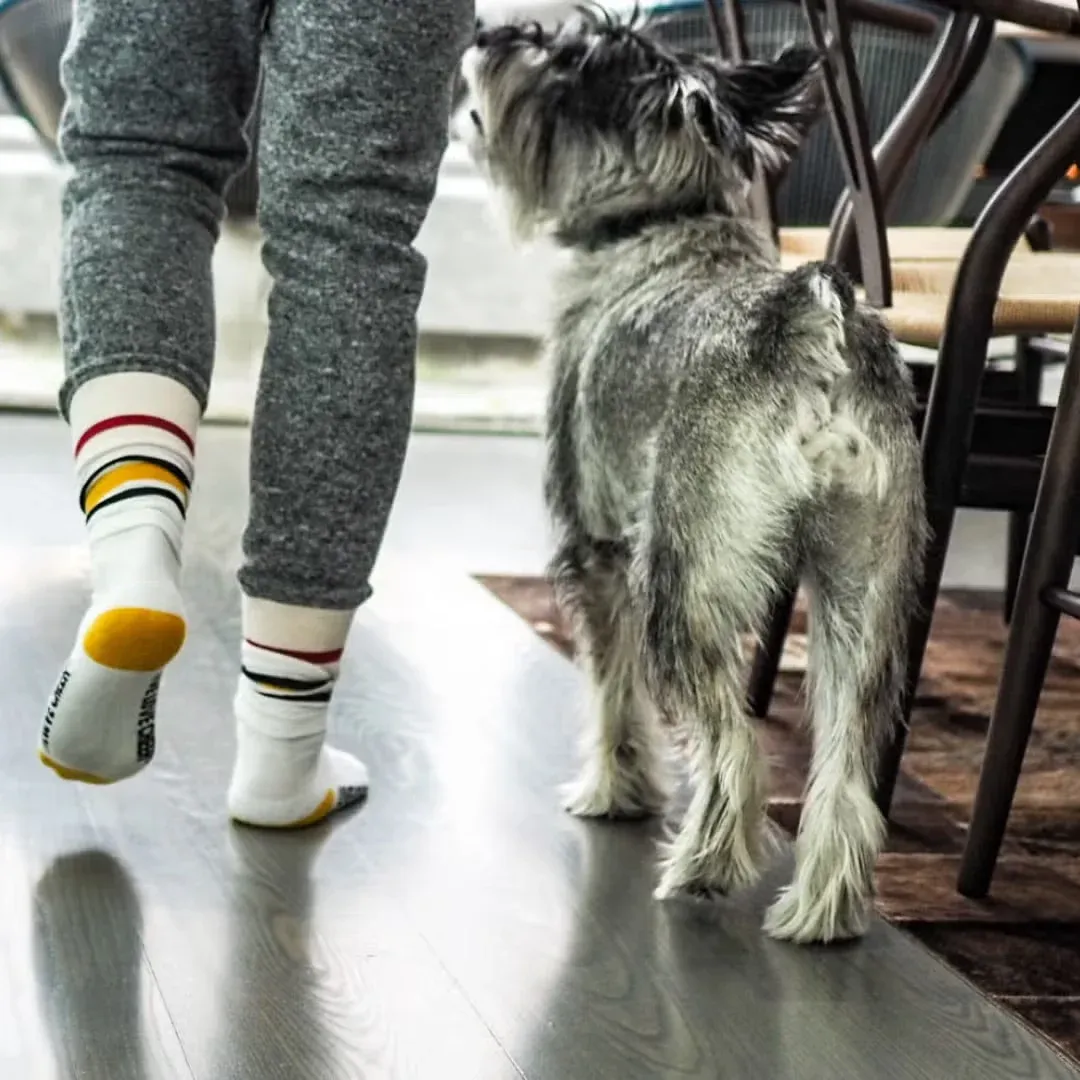
Here is how you can manage your dog’s barking.
Evieanna Santiago
How to Curb Excessive Barking in Your Dog
Learning how to stop your dog from barking can be a time-consuming and challenging task. A lot of schnauzers love to bark, and barking can develop into a significant problem. It is a natural behaviour for your dog to do, just as it is normal for us humans to speak. After all, dogs are born to bark. They have a natural desire to vocalize their feelings and needs.
Barking Is in Their DNA
Historically, alerting by barking has always been a task for schnauzers who were bred as farm and watchdogs. They see themselves as self-appointed protectors of the home and family and they alert by barking. It’s when your dog barks excessively that it becomes a problem for all concerned—including our cranky neighbors.
So, before you can stop your dog from barking, you need to understand why he or she barks and what forms of barking you can control. Once you’ve identified the cause or trigger, you can then plan the correct training solution.
Why Do Dogs Bark?
All dogs bark in a variety of situations: they might bark when they are angry; they might bark when they are excited; they might even bark when they are scared and want to defend themselves. Here is a list of possible reasons when you might expect your dog to start barking:
- Territorial Barking
- Alarm Barking
- Attention-Seeking Barking
- Greeting Barking
- Frustration Barking
- Compulsive Barking
As you can see, barking is a major part of your dog’s natural instinct. This is normal and important and should not be taken from them, however, it is important to control the barking.
How to Stop Your Schnauzer From Barking
When your dog can’t stop barking, first determine the reason for their behaviour. Nine times out of ten, the barking is excessive and can be controlled. If you decide that your dog’s barking can and should be controlled, ask yourself these questions:
- When does my dog bark?
- What is he or she barking at?
- Do they have a specific trigger?
1. Determine the Trigger
If you determine that your dog is barking because it wants to protect its territory or is simply alarmed by something, you cannot simply tell it to stop. In fact, negative reinforcement for territorial barking can often lead to biting or aggression in other forms. Your schnauzer doesn’t understand what you’re trying to tell them. It might stop the barking, but the territorial issues are still there.
2. Establish a Safe Space
You need to create a situation in which your dog will not feel that territorial urge to defend itself. This starts by taking control of your household. Be the leader of the pack and show your dog that you are the one in charge of protecting that space.
3. Remove the Trigger
You can simply reduce the dog’s ability to see those incursive threats to its territory. Draw your blinds so he or she cannot see the mailman, get an opaque fence so they cannot see outside the yard and make sure they don’t have open access to the windows at any time.
4. Reduce Anxiety
If your schnauzer has anxiety issues, the barking is likely a symptom of something much greater. Maybe they want to reach you and will continuously bark until you return. Most of the time, this is because you have rewarded them for this behaviour in the past. When you return home and they are excited, you immediately give them attention. Rather than rewarding them in this instance, you should ignore your dog for 10–15 minutes so they stop associating your return with attention.
5. Teach Them How to Speak
Finally, to stop your schnauzer from barking, teach them how to speak and be quiet. By creating a command that allows you to control their behaviour, your dog will learn not to bark when it is not necessary. A benefit of this is that, if there is an intruder or something you want your dog to bark at, they will still alert you.
Training Makes for Good Canine Citizens
Schnauzer obedience training is important in many ways because it provides the foundation for all the issues that might arise at home. Remember that your dog will only do what it is taught to do. You must be consistent, reassuring and effective at maintaining the commands you give.
Training is the key to solving any behavioural problems (including stopping your dog from barking), and also to building a strong bond with your dog.
Source
- Schnauzer – Wikipedia
© 2012 schnauzerzone