Giant Schnauzer: A Complete Guide to This Imposing German Breed
Dakota Morgan
Getting to Know the Giant Schnauzer
The Giant Schnauzer is a breed that combines a commanding presence with a distinguished look. Its roots trace back to the Bavarian region of Germany, and over the centuries, this versatile working dog has developed a reputation for loyalty and adaptability. Originally bred for herding and guarding, the Giant Schnauzer has more recently become a cherished family companion, valued for its intelligence, devotion, and dignified demeanor. This article offers a thorough exploration of the breed, covering its origins, physical traits, temperament, and essential health needs. Whether you're thinking about bringing one into your home or simply admire the breed, you'll find valuable insights here. Ready to dive in? Let's begin.
Contents
- History and Origins
- Physical Characteristics
- Temperament and Traits
- Exercise, Training, and Mental Stimulation
- Grooming Essentials
- Health Concerns
- Ownership Guide
- Final Thoughts
- Frequently Asked Questions
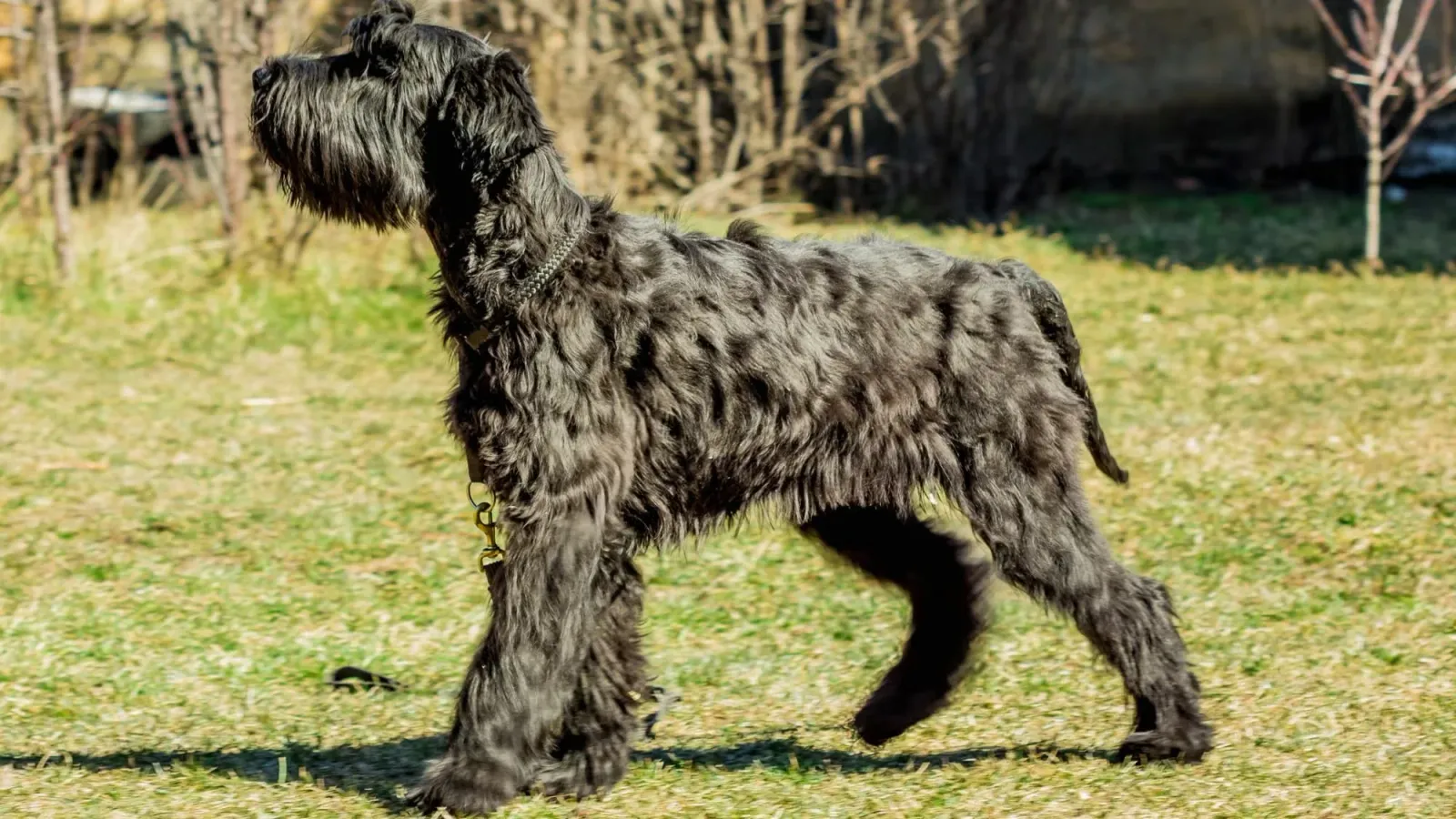
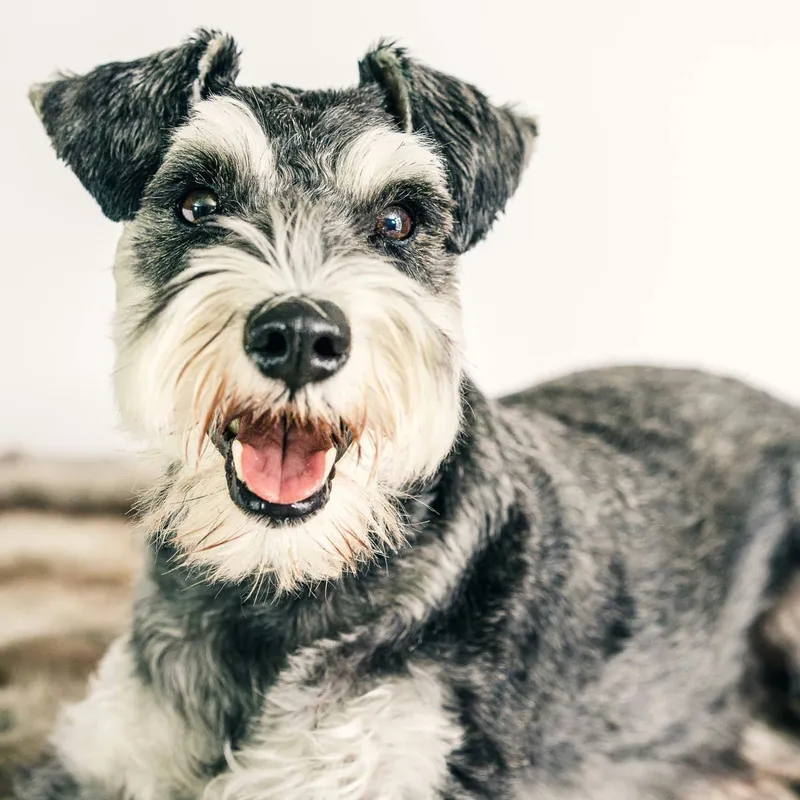
The Giant Schnauzer is renowned for their colorful history and unique physical traits.
Photo by Artsiom Malashenko from Getty Images; Canva
History and Origins
The Giant Schnauzer's story begins in 17th-century Bavaria, Germany, where these dogs were developed for practical tasks. They worked as farm dogs, herding livestock and guarding property. As Europe industrialized, the breed adapted to urban roles, proving valuable in police work and as companions for carriage drivers. This working background is key to understanding the Giant Schnauzer's character today. They remain loyal, intelligent, and dedicated to their families, and while they now excel as pets and show dogs, their strong work ethic and protective nature still define the breed.
Physical Characteristics
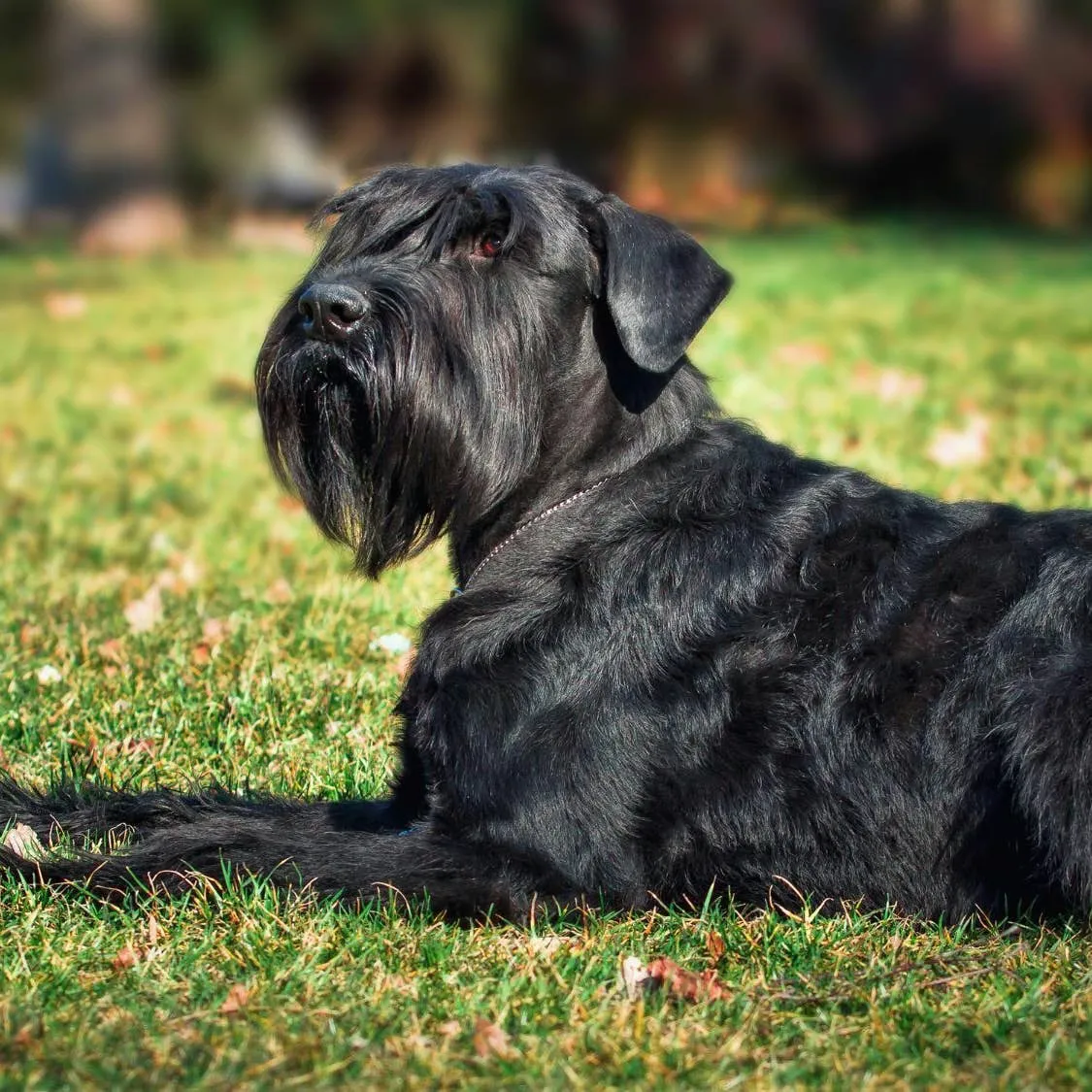
True to their name, Giant Schnauzers are the largest of the Schnauzer breeds, standing 23.5 to 27.5 inches (60 to 70 cm) at the shoulder and weighing 75–95 pounds when fully grown. They have a muscular, well-proportioned build. Their double coat is wiry, coarse, and weather-resistant, appearing in solid black or salt-and-pepper. The head is rectangular and strong, featuring the breed's signature beard and bushy eyebrows, with dark, alert eyes. Ears are typically cropped to stand erect, though this practice is declining in some countries due to ethical concerns. Tails are usually docked short, but this too is becoming less common for the same reasons.
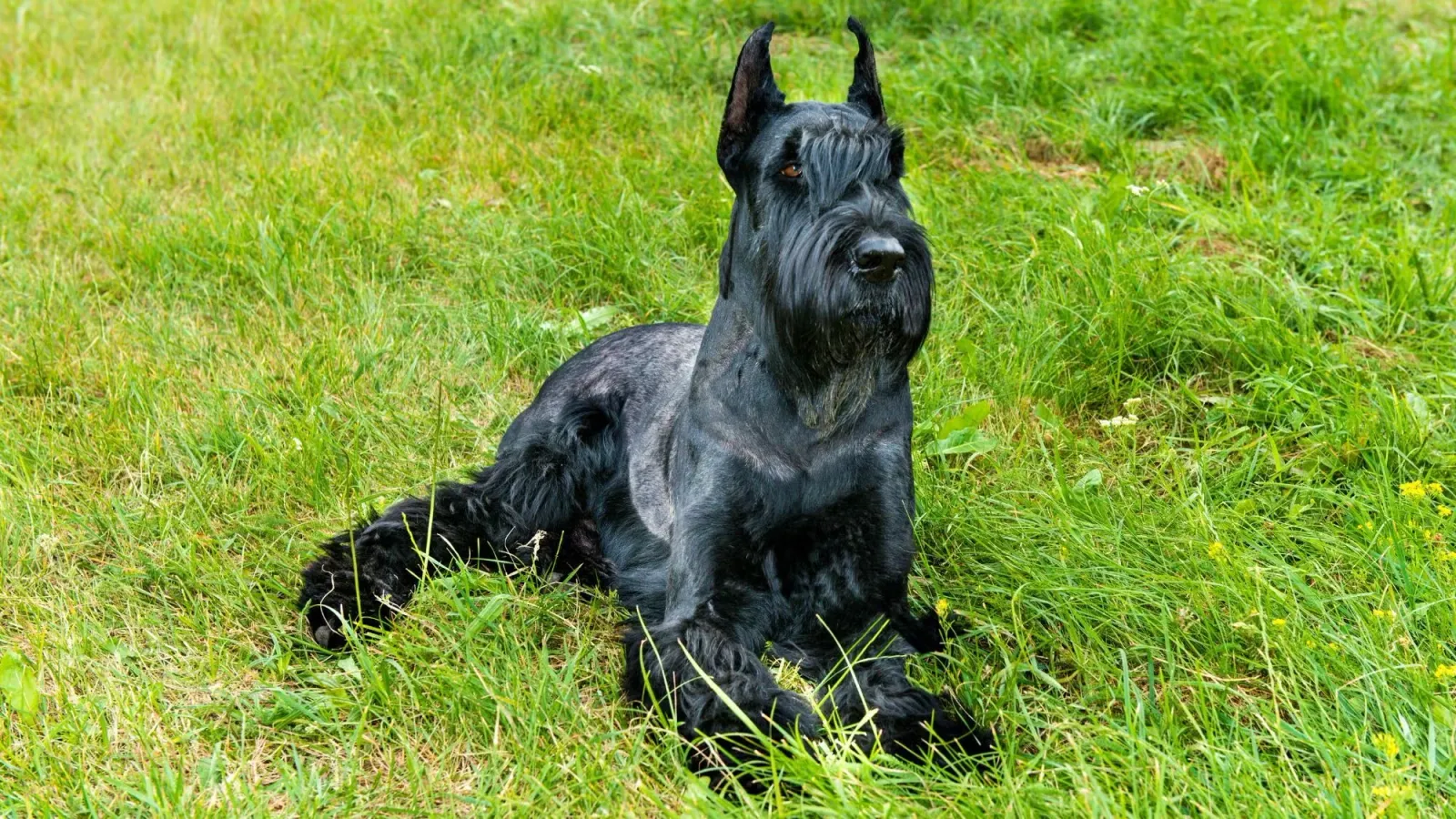
The Giant Schnauzer is a remarkable dog breed. In this section, we will look at their temperament, exercise needs, grooming requirements, and health concerns.
Photo by volofin from Getty Images; Canva
Temperament and Traits
Giant Schnauzers are known for their intelligence, loyalty, and protective instincts. They are confident and fearless, making them excellent watchdogs and guardians. Their strong work ethic and trainability make them adaptable. While affectionate with family, they can be reserved or aloof with strangers, so early socialization is crucial to help them become well-rounded companions.
Exercise, Training, and Mental Stimulation
Given their size, Giant Schnauzers need plenty of exercise—at least 30–60 minutes daily, including brisk walks, runs, and play sessions. Mental stimulation is equally important; obedience training, advanced commands, and problem-solving tasks keep their minds engaged. Early socialization helps manage their protective instincts. Consistent, firm, and positive reinforcement-based training is most effective. Advanced training or dog sports can also channel their energy.
Did You Know?
Thanks to their size and intelligence, Giant Schnauzers excel in police work, search-and-rescue, military duties, and as guide dogs.
Grooming Essentials
Weekly grooming is necessary to keep a Giant Schnauzer healthy and looking their best. Their wiry double coat needs brushing a few times a week to prevent matting and remove loose hair. Trimming and shaping every 6–8 weeks is important, especially for the eyebrows, beard, and leg feathering. Baths every 2–3 months with a dog-specific shampoo help maintain coat texture, but avoid over-bathing to prevent dry skin. Regularly check and clean ears to prevent infections. Trim nails every 2–4 weeks to avoid breakage and pain. Brush teeth several times a week to prevent dental issues.
Did You Know?
Cancer, particularly lymphoma, is a leading cause of death in Giant Schnauzers. Regular health screenings are essential.
Health Concerns
Though generally healthy, Giant Schnauzers are prone to several conditions, some serious. Hip and elbow dysplasia can lead to arthritis and mobility problems; severe cases may require surgery. Bloat (gastric torsion) is a life-threatening emergency more common in deep-chested breeds, requiring immediate veterinary attention. Eye issues like cataracts and progressive retinal atrophy (PRA) can cause vision loss; PRA has no effective treatment as of August 2024. Dilated cardiomyopathy (DCM) is a genetic heart condition that can lead to heart failure. Hypothyroidism can cause weight gain, cold intolerance, lethargy, and skin problems. They also have sensitive stomachs and may develop dietary allergies. Osteosarcoma, a bone cancer, occurs more frequently in this breed; early detection is crucial.
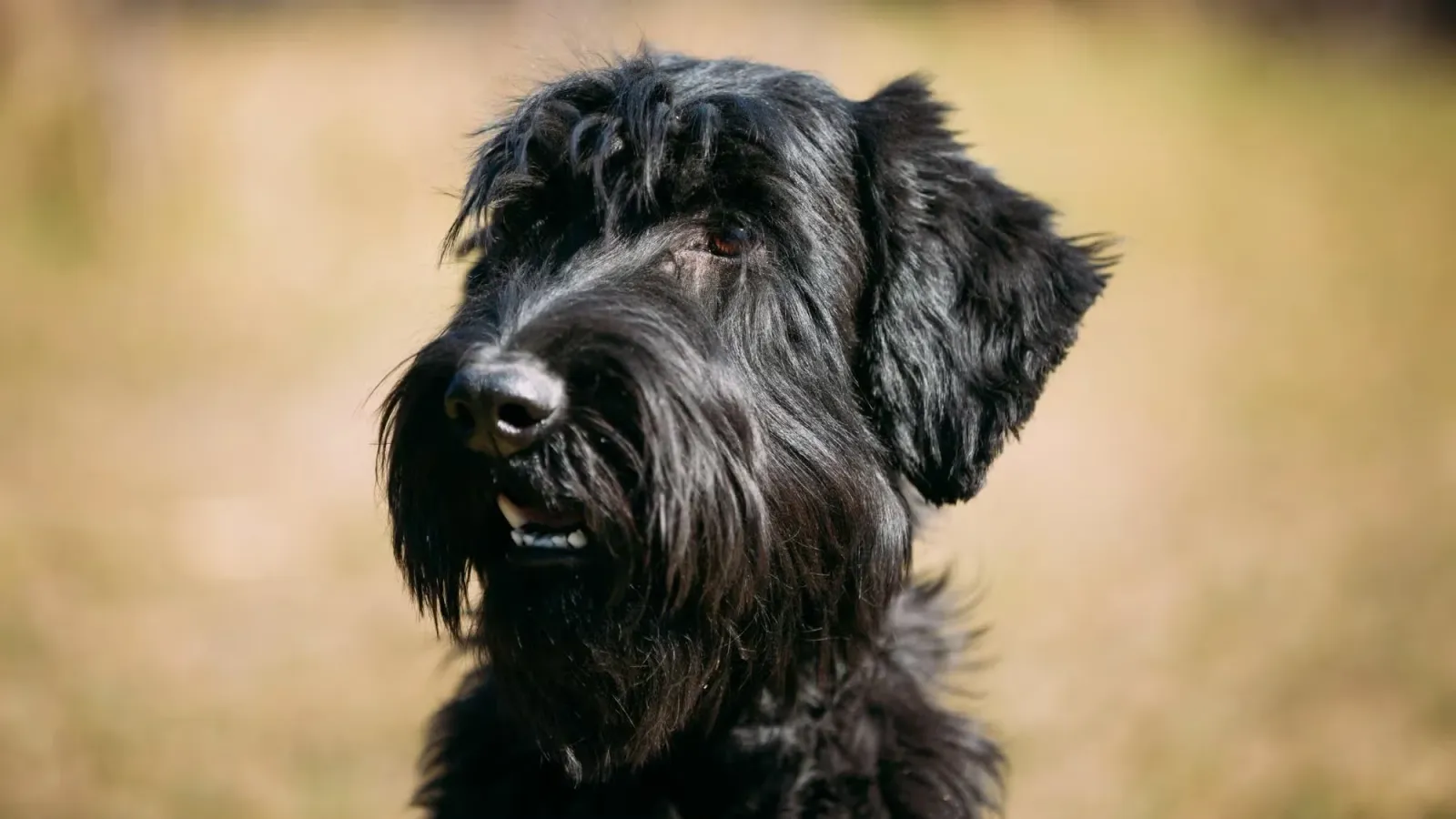
Aside from regular health screenings, owners should ensure their Giant Schnauzers are fed properly and socialized at an early age.
Photo by bruev from Getty Images; Canva
Ownership Guide
Caring for a Giant Schnauzer involves meeting their specific needs for nutrition, preventative care, and socialization.
Feeding Guidelines
Feed a well-balanced diet tailored to age, size, and activity level, with high-quality dog food featuring meat as the main ingredient. Divide daily portions into two meals to help prevent bloat. Avoid overfeeding and monitor weight, adjusting portions as needed. Consult your veterinarian for specific dietary advice.
Vaccinations and Preventative Care
Core vaccinations against rabies, distemper, and parvovirus are essential. Non-core vaccines may be recommended based on lifestyle and location. Regular flea and tick prevention, heartworm medication, and parasite checks are important. Dental care and biannual veterinary check-ups help maintain overall health. Work with your vet to create a customized preventative care plan.
Socialization and Interaction With Other Pets
Early socialization is critical for Giant Schnauzers to interact well with strangers and other animals. Expose them to various animals, sounds, people, and environments to reduce protective instincts. Supervised, positive interactions with friendly dogs from a young age promote good behavior. Consistent training helps manage their strong-willed nature. Monitor interactions with smaller pets due to their herding background. With proper socialization, they can coexist harmoniously with other pets.
Common Behavioral Issues and Solutions
Stubbornness, aggression, and excessive barking are common behavioral issues. Address them with consistent training from a young age, firm leadership, and positive reinforcement. Early socialization reduces aggression and bad habits. Keep them mentally and physically stimulated to curb barking and restlessness. Proper training, attention, and a structured environment are key.
Final Thoughts
The Giant Schnauzer is a remarkable breed, known for its intelligence, loyalty, and distinctive appearance. Whether you appreciate their protective nature, versatility as working dogs, or loving companionship, they have much to offer. While they present challenges, the rewards of their company and the bond formed through proper training and care are immense. If you're intrigued, research the breed, connect with experienced owners, and consider adopting if you have the time, dedication, and love to give. Discover the joy of sharing your life with this incredible breed.
Frequently Asked Questions
What makes the Giant Schnauzer different from other breeds?
The Giant Schnauzer stands out due to its imposing size, distinctive beard and eyebrows, and a unique blend of intelligence, loyalty, and protective instincts. This combination allows them to excel in various roles, from police work to companionship.
What health issues should I be aware of when considering a Giant Schnauzer?
Be aware of potential issues like hip dysplasia, bloat (gastric torsion), eye conditions, and skin problems. Regular veterinary check-ups, a balanced diet, and exercise can help mitigate risks. Responsible breeding also reduces the likelihood of health problems.
How much exercise does a Giant Schnauzer need?
They need at least an hour of exercise daily, including brisk walks, playtime, and mental stimulation. Activities like obedience training and agility can satisfy their needs and prevent boredom.
Do they do well with other pets or small children?
With early socialization and correct training, they can coexist with other pets and children. However, their protective instincts may require supervision, especially with small animals or young children, to ensure safety.
What kind of training do they require?
They need consistent, firm, and positive reinforcement-based training, focusing on obedience, socialization, and leash training. Early socialization and ongoing training are essential to manage their strong-willed nature.
What is the best way to groom a Giant Schnauzer?
Regular brushing prevents matting. Professional trimming every few months and routine nail trimming are necessary. Their beard and eyebrows need cleaning and care. Consult a groomer or follow breed-specific guidelines.
Are there any dietary restrictions for a Giant Schnauzer?
Choose a high-quality dog food formulated for large breeds with appropriate protein levels. Monitor portion sizes to prevent obesity. Avoid excessive treats and consult your veterinarian for dietary recommendations based on age, weight, and health.
How can I connect with other Giant Schnauzer owners?
Join breed-specific forums and social media groups, attend dog shows or events, and seek out local dog clubs or training classes. Online platforms like Facebook groups are excellent for building a community.
Where can I find reputable breeders or adoption resources?
Consult national breed clubs like the Giant Schnauzer Club of America (GSCA) for referrals. Adoption resources include local shelters, rescue organizations, and online platforms like Petfinder or Adopt-a-Pet. Research and visit breeders or rescues to ensure ethical practices.
Is a Giant Schnauzer the right dog for me and my family?
A Giant Schnauzer can be a great addition to an active, experienced family willing to invest time in training and exercise. They are loyal, protective, and versatile but require socialization and consistent training. Consider your lifestyle and ability to meet their needs before choosing this breed.
Resources
- American Kennel Club. “Giant Schnauzer.” AKC: Dog Breeds. Accessed: 8 September 2023. Web.
- Brown, Lola A. “Giant Schnauzer.” 9 November 2021. DailyPaws. Accessed: 8 September 2023. Web.
- Chou, Janice. “7 Things You Need to Know About Giant Schnauzers (From Someone Who Loves Them).” Rover. Accessed: 5 September 2023. Web.
- DogTime. “Giant Schnauzer.” Accessed: 7 September 2023. Web.
- Fassbaugh, Emily. “Giant Schnauzer.” 22 February 2023. PetMD. Accessed: 6 September 2023. Web.
- Hill’s Pet. “Giant Schnauzer: Dog Breed Information and Personality Traits.” Accessed: 7 September 2023. Web.
- Puisis, Erica. “Giant Schnauzer: Dog Breed Characteristics & Care.” 14 February 2022. The Spruce Pets. Accessed: 7 September 2023. Web.
- Purina. “Schnauzer (Giant).” Accessed: 6 September 2023. Web.
- Wikipedia. “Giant Schnauzer.” Wikipedia: The Free Encyclopedia. Accessed: 7 September 2023. Web.
This article is accurate and true to the best of the author’s knowledge. It is not meant to substitute for diagnosis, prognosis, treatment, prescription, or formal and individualized advice from a veterinary medical professional. Animals exhibiting signs and symptoms of distress should be seen by a veterinarian immediately.
© 2023 Gabe English