Low-Shedding Companions: Five Compact Dog Breeds Worth Considering
Dakota Morgan
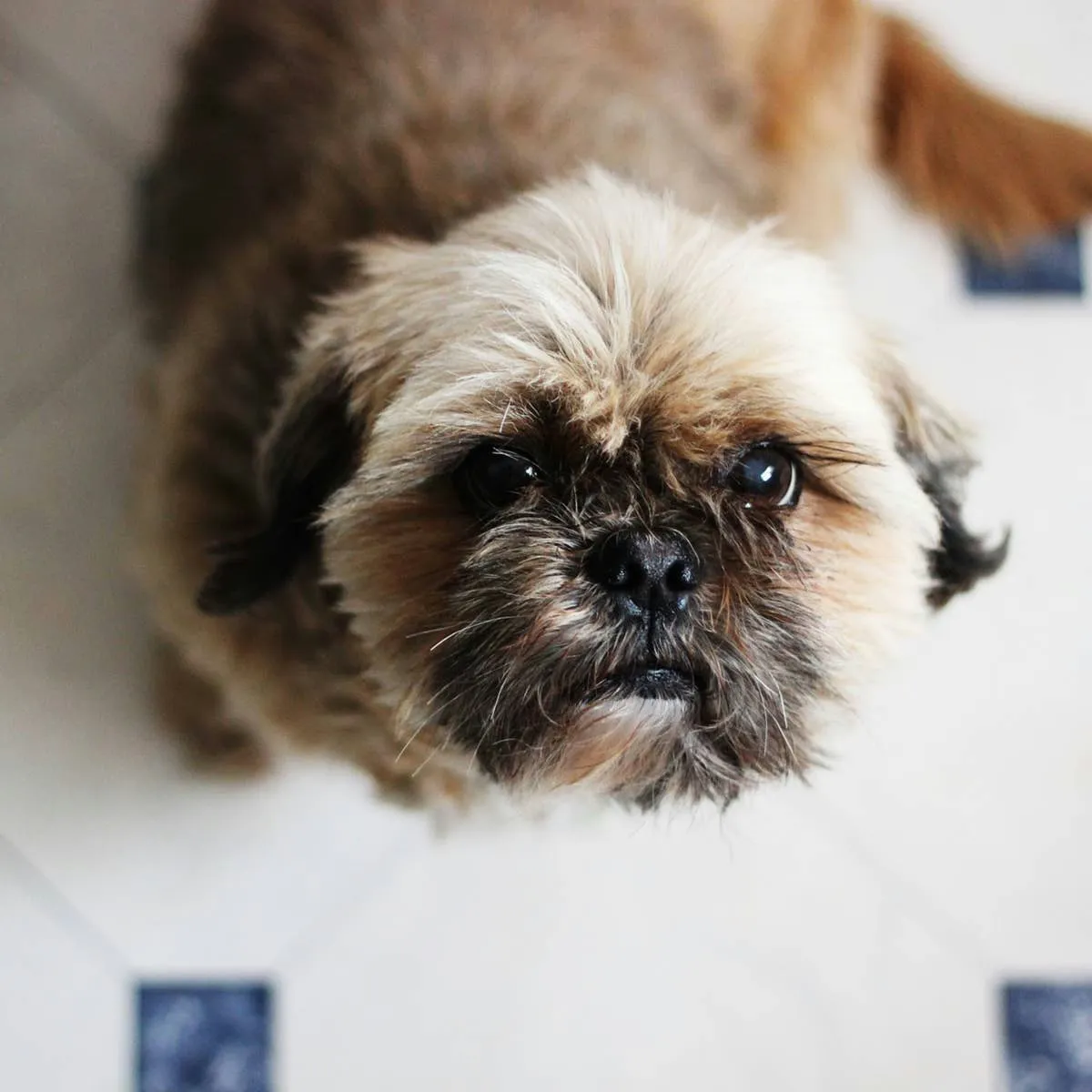
Looking for a Small Dog That Leaves Less Hair Behind?
Buying a high-powered vacuum, adding omega fatty acid supplements to a dog's meals, or even coordinating your entire wardrobe with your pet's coat are all options people try. None of these changes the basic reality: dogs lose hair.
Five Compact Breeds Known for Minimal Shedding
Shedding varies widely from one dog to another. For those who prefer a smaller companion that does not leave much fur around, the following five breeds are often recommended:
- Shih Tzu
- Miniature Schnauzer
- West Highland White Terrier
- Bichon Frisé
- Maltese
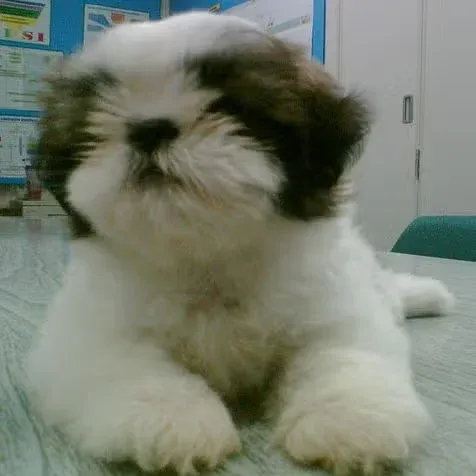
Many Shih Tzu owners prefer to keep their dogs in a “puppy cut”.
cc-by kengz 52602877
1. Shih Tzu
Among the most appealing small breeds is the Shih Tzu. Originally from China and sometimes called a little lion dog, this breed carries a long coat that touches the floor and requires brushing each day. Because it sheds very little, professional grooming is needed every few months.
Many owners choose to keep their Shih Tzu in what is called a "puppy cut," which reduces how often the dog needs brushing. Even so, regular trips to a groomer for a trim remain necessary.
A fully grown Shih Tzu typically weighs around 6 or 7 kilos (13 to 15 pounds), with prominent eyes, a flat face, and an underbite.
Beyond breathing difficulties related to their facial structure, some Shih Tzus develop hip dysplasia—a condition more commonly associated with large dogs but also seen in Pugs and certain other small breeds. This breed is also among those affected by IVDD, a spinal disease that can lead to paralysis.
Dental issues are another concern, since their teeth are crowded together. Brushing their teeth daily is strongly advised.
Shih Tzus generally live around 14 years, and some live considerably longer. Their temperament is excellent, they interact well with both children and adults, and because they shed so little, they suit anyone hoping to avoid loose hair around the home.
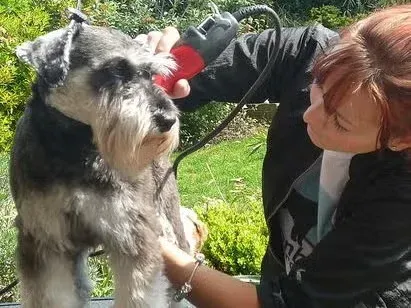
_Miniature Schnauzers don’t shed much, but they do need to be groomed.
cc-by groomingschoolnet 8010895690_
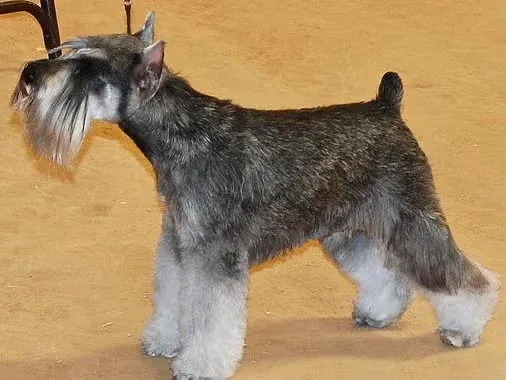
_When Miniature Schnauzers are groomed, they are an impressive looking small dog.
cc-by haveclipperswilltravel 6918704523_
2. Miniature Schnauzer
There are many reasons this small dog stands out, and low shedding is only one of them. Miniature Schnauzers adapt well to apartment living, fit nicely into family life, and function effectively as watchdogs.
They typically weigh between 5 and 9 kilos (11 to 20 pounds), yet when it comes to barking and guarding their territory, they behave as though they were much larger.
Their lifespan is roughly 12 years, though some individuals live well beyond that.
Health concerns for the breed include pancreatitis and diabetes, so routine veterinary check-ups are important.
Salt and pepper is the most common coat color, but black, silver, and even solid white dogs also occur. If barking is something you can tolerate and you want a solid companion that sheds minimally, a Miniature Schnauzer could be a good fit.
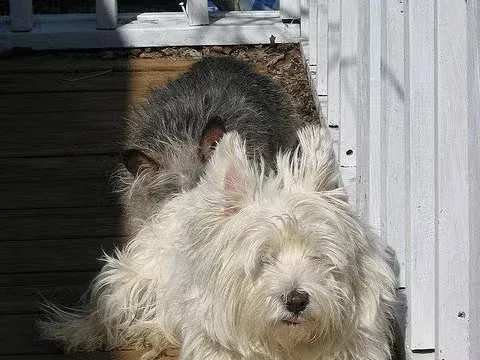
_Since Westies do not shed much, their coats can get quite long.
cc-by terriermominva 2403116243_
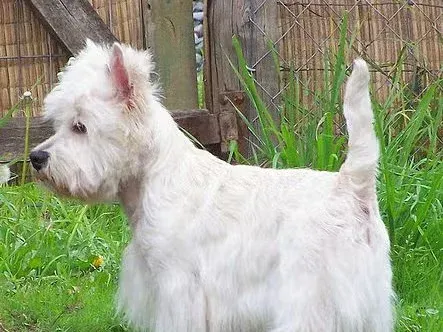
_Westies need to be groomed.
cc-by wfwj 3752633284_
Do Westies Shed?
Westies shed relatively little, which allows their coats to grow quite long.
3. West Highland White Terrier
The Westie ranks among the best small breeds that are not especially noisy, and it is also one of the most attractive small white dogs. They do well with children who handle them gently, though they have a tendency to bark frequently—usually with some cause behind it.
A Westie may sound off while acting as a watchdog or while hunting in the yard. (Westies were originally developed to hunt rodents, a task they still perform well.) Sometimes they bark for no particular reason at all.
West Highland White Terriers are compact, weighing roughly 6 to 8 kilos (12 to 17 pounds).
Health issues for this breed include allergies and an uncommon skin condition. Some are also affected by inherited problems such as "westie jaw" and "white dog shaker syndrome."
Westies live about 14 years. For owners with enough energy to keep them exercised, they are an appealing and enjoyable breed that sheds very little.
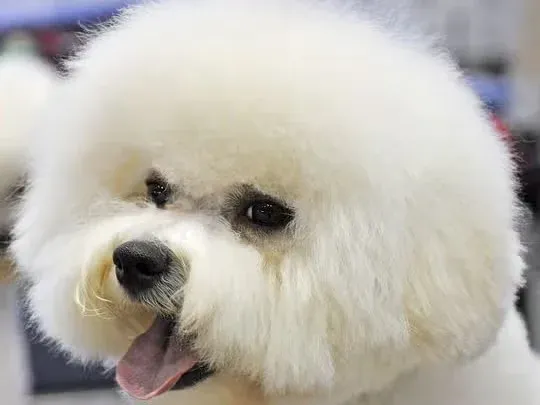
_Bichon Frisé usually look happy.
cc-by statefarm 6789182348_

_Like all dogs that don’t shed, Bichon need to be groomed.
cc-by imabug 5414276069_
4. Bichon Frisé
If what you want is a small white dog with a cheerful expression, the Bichon Frisé fits that description. This breed sheds minimally while also satisfying many other requirements owners may have.
Bichons are good with children and small in size—roughly 3 to 5 kilos (7 to 11 pounds)—which makes them well suited to apartment living.
As with other small breeds, dental disease can be a problem. In addition to routine brushing and thorough grooming about once a month, a Bichon needs its teeth brushed daily. Liver shunts occur in some individuals, but overall the breed is fairly healthy.
These dogs usually live around 12 years. Their disposition is generally cheerful, so anyone seeking a happy dog that sheds little may find the Bichon Frisé to be a strong option.

_Many owners keep their Maltese clipped short to reduce tangling and daily combing.
cc-by petcoadoptionreunion 6146709793_
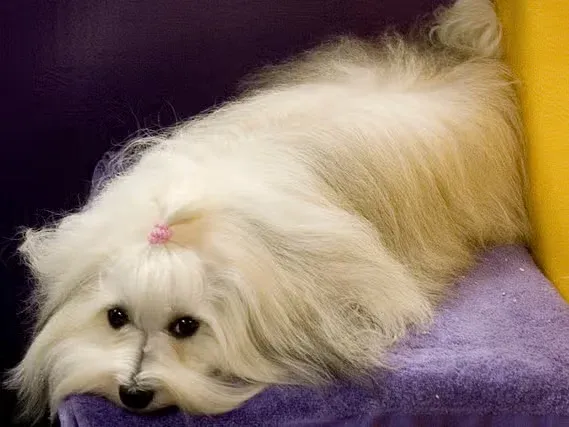
_If you comb your Maltese daily, they look very good.
cc-by forbiddendoughnut 3282045462_
5. Maltese
Saving the best for last in this article—is that favoritism? Perhaps, but the Maltese is, after all, being discussed as the top small dog for minimal shedding.
The Maltese is genuinely tiny, usually under 3 or 4 kilos (less than 8 pounds), so it might not even belong in the same category as the others. Still, it has numerous advantages. For a first-time owner, the Maltese is a solid choice.
They coexist peacefully with cats and most other small animals in the household. As for living space, they are comfortable in a large house, a small house, or even a compact apartment.
Maltese shed very little, but their hair is extremely fine and must either be clipped short or brushed every day. They look good with a nice haircut and dye job, though some dogs are prone to tear staining, which requires attention.
Are there any drawbacks to this small dog? Maltese do enjoy barking. Their teeth need daily brushing to slow the development of dental disease, and naturally, they require a daily walk like any other dog.
But they shed very little!
Adopt, Don’t Shop!
Once you have identified the breed you want online, the next step is bringing one home. Before looking anywhere else, take a moment to check with your local animal shelter. You might find a dog that was given up when its owners had to relocate, or one that was taken in as a stray. Small dogs tend to be adopted quickly, so it pays to check early.
Petfinder.com is another resource worth visiting. The site lists dogs in your area, and the small dog you are after might be only a short drive away.
A breed rescue is also worth considering. Simply open a search engine and enter the breed name, the word "rescue," and your location.
What you should avoid is buying a puppy from a pet store or through an online wholesaler. Beyond supporting a puppy mill, you may end up with a small dog that has housetraining and other behavioral problems.
If those avenues do not pan out, attend a dog show and speak with breeders of the breed you are interested in. They can tell you when a dog will be available and how to prepare for your new puppy.
Best of luck finding your new small dog!
More About Dogs
- Five Little Dog Breeds That Don’t Bark Much If you are searching for a small breed of dog that does not bark much, check out the five best! Videos, photos, and a description of each dog will help you make the right choice.
- Five Best Small Watch Dog Breeds Are you looking for a dog that will keep your lap warm AND warn you when a stranger comes prowling? Here are photos, videos, and great descriptions of the five best small watchdogs available.
- Five Fierce Dog Breeds Your Family MUST Be Afraid Of This is a list of the five most dangerous dogs, beasts that will rip your throat out as soon as pee on you. Beware of the vicious family dog.
Questions & Answers
Question: When is a puppy ready for a bath?
Answer: As soon as you get her home, if you want and need to. Just use a mild shampoo or even just plain water so that you do not remove the oils from her skin and dry them out.
© 2013 Mark dos Anjos, DVM