Siberian Husky Coat and Eye Color Varieties Explained
Jordan Gray
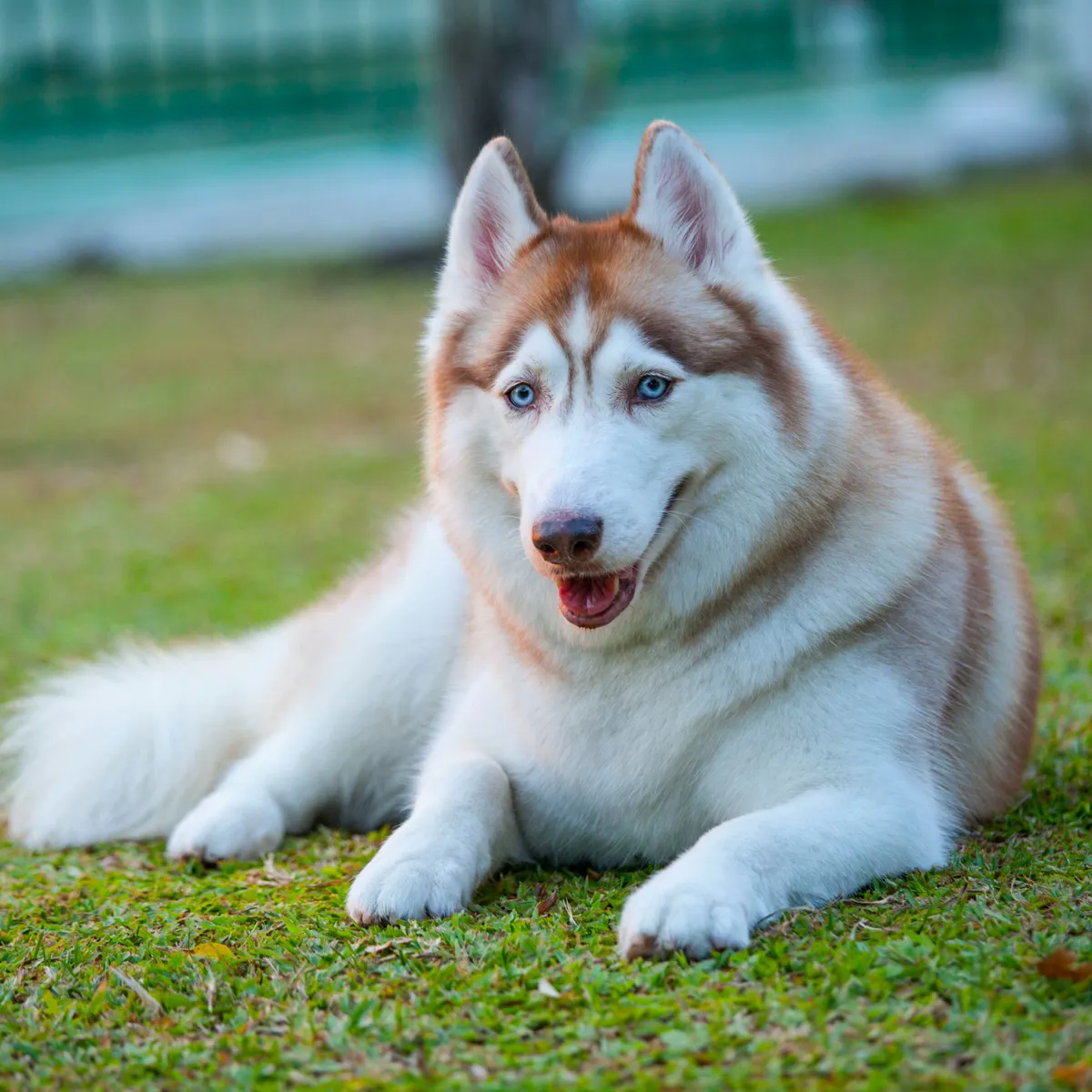
Overview of Siberian Husky Coat Colors
Siberian Huskies stand out from many other breeds because they display a wide array of coat colors and patterns. The following sections take a detailed look at the various colors a Siberian can exhibit.
- Black and White
- The Three Greys
- Pure White: The “Living Snowdrift”
- Agouti (Wolf-Like)
- Copper or Red
- Sable
- Pinto Pattern
- Piebald Pattern: Paint the Town
- Dirty-Faced Siberians
- Husky Eyes
Related: 15 Pros and Cons of Owning Siberian Huskies
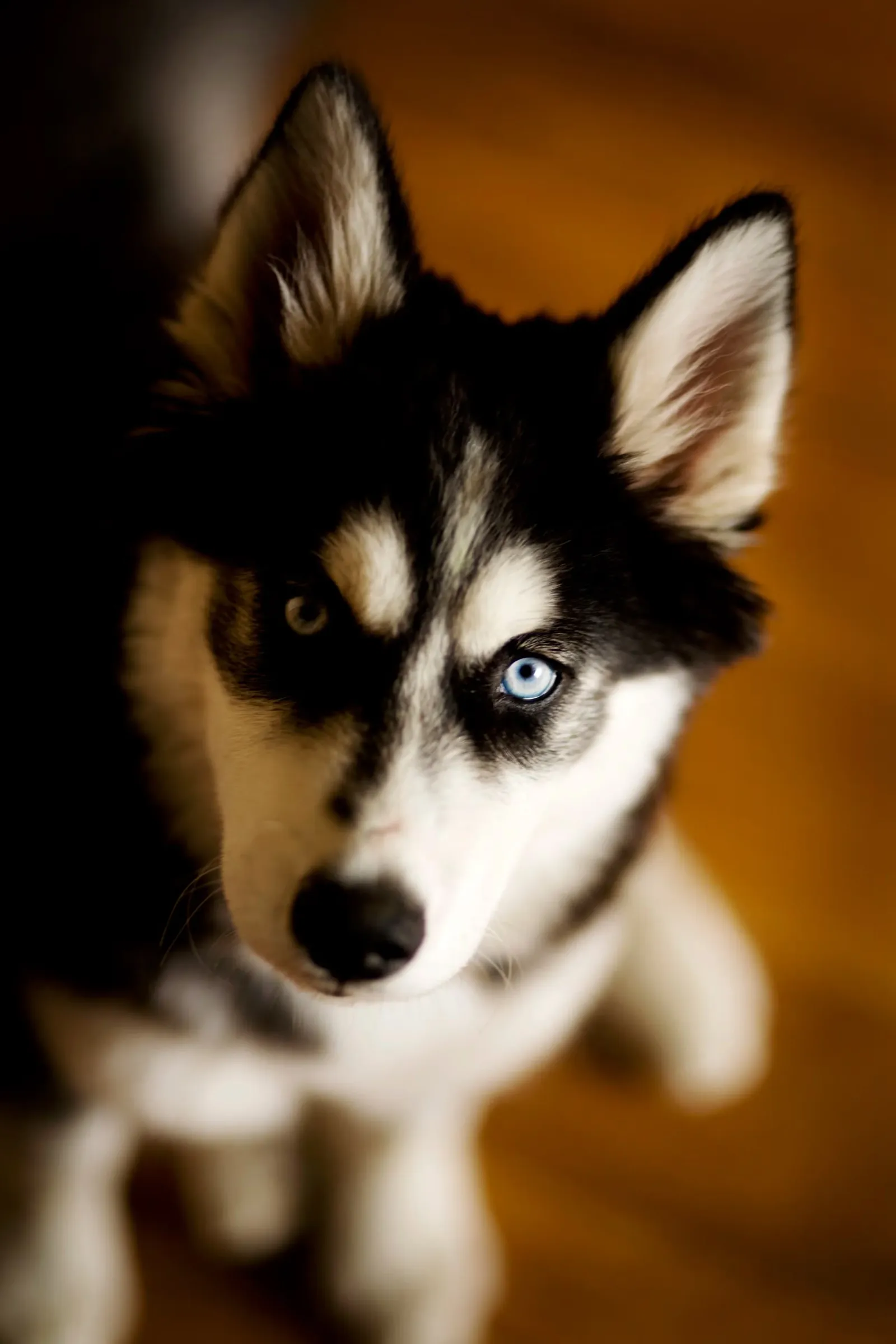
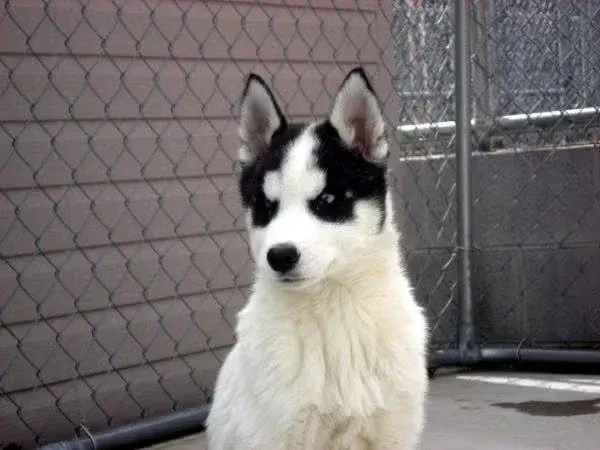
Young black-and-white Siberian
peasap via Flickr (CC BY 2.0)
Black and White
For a black-and-white Siberian, the undercoat might be white, charcoal, beige, or a combination of these three. The top coat can vary from deep jet black to a diluted shade called “salt and pepper,” which makes the dog appear nearly grey and adds depth to the coat color.
Red Tint
A red tint in the black coat is also acceptable and can give the dog a “grizzled” appearance. This red hue is relatively uncommon and occurs when a black dog spends extended periods in the sun. While blowing (shedding) its coat, a black Siberian may look grey.
Featured Gallery
1 / 1
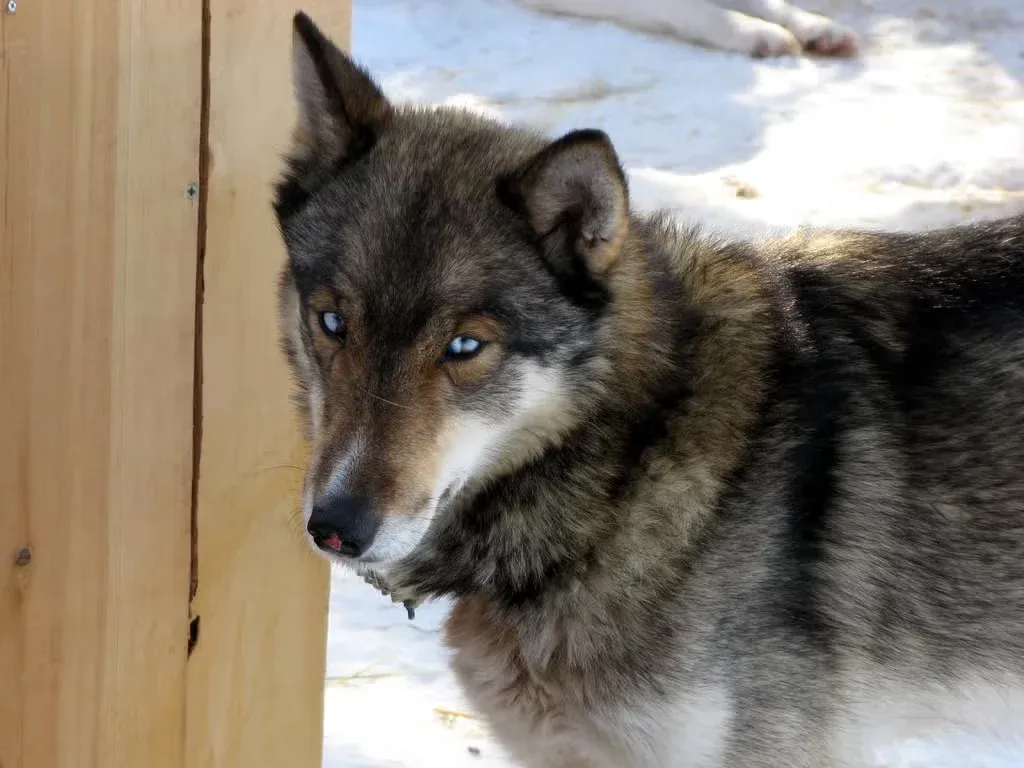
_A wolf-grey Siberian
m. prinke via Wikimedia Commons (CC BY-SA 2.0)_
Siberian with a silver coat
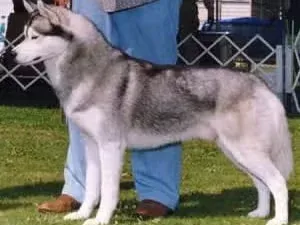
Siberian showing a medium/dark grey coat
The Three Greys
Husky coats can appear in three shades of grey: wolf grey, silver, and medium/dark grey.
Wolf Grey
Wolf grey results from the agouti gene, which gives each hair a range of colors. This gene creates a warm grey shade, with beige, tan, or red behind the ears and on the legs and back. The undercoat is beige.
This coat has a rich color with plenty of depth. Wolf grey should not be confused with the sable coat pattern.
Silver
Silver is the exact opposite of wolf grey. The agouti gene is completely restricted, resulting in a silvery or blue tone. There is no red, tan, or beige.
The silver Siberian’s undercoat is white. Black often tips the hair. When a genetic dilution factor is present, the silver shade can become even bluer, with pigment turning slate-colored.
Medium/Dark Grey
Medium/dark grey is the most common grey coloring. It permits red or tan tones, though not at their fullest and richest. The undercoat is a mix of beige and silver.
Related: Top 7 Dog Breeds That Look Like Wolves
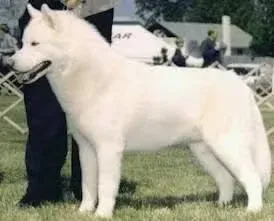
A pure white Siberian with black points
Pure White: The “Living Snowdrift”
Pure white may be the rarest coat color for Siberians. This color, or lack of it, comes from total pigment restriction and white extending over the dog’s entire body. A white Siberian can have liver-colored or black points (the nose and skin around the eyes). The undercoat is silver or white.
Featured Gallery
1 / 1
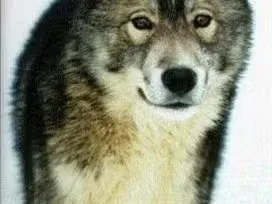
A gorgeous example of the agouti coloration
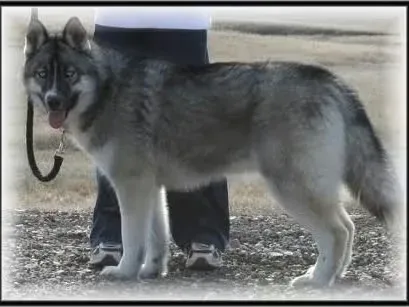
Agouti Siberian
Agouti (Wolf-Like)
Agouti-colored Siberians are also equally rare. Agouti is also known as “wild coloring”; an agouti Siberian looks almost exactly like a wolf in terms of color.
Agouti Siberians typically have special masks and markings. White markings are always cream. The mask is always dark and very heavy (“dirty-faced”). Pigment extends far down the dog’s body. No dilution is present.
The undercoat of agouti Siberians is charcoal; the outer coat can be a mix of black, tan, red, or grey. The usual coloring is black at the root and tip of the hair, with red or tan in the middle. The points are black. Agouti coloring is sometimes mistaken for sable or wolf grey.
Related: Cool Authentic Russian Names for a Siberian Husky Dog
Featured Gallery
1 / 1
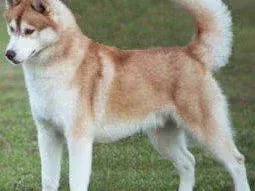
An orange copper Siberian
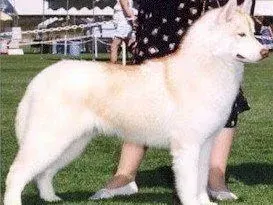
A very light orange copper Siberian, with an almost white coat
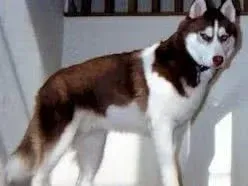
A chocolate copper Siberian
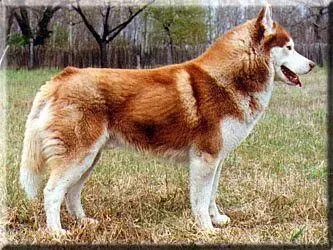
A red copper Siberian
Copper or Red
Perhaps the greatest variety of shades appears in the coats of red-and-white Siberians.
- Red-and-white Siberians always have liver-colored points; their undercoat can be copper, light red, or cream. Dilution factors can fade the coloring from dark to light across the body. They can range from chocolate-colored to almost white.
- Orange copper Siberians allow more yellow than red. The outcome is a red Siberian with a very light coat.
- Chocolate copper Siberians (also called chocolate red) have a tone with full depth of color. A brown or liver undercoat is present. This is the darkest possible red coloration.
- Red copper Siberians allow more red than tan. This produces a bright color, sometimes appearing orange.
Featured Gallery
1 / 1
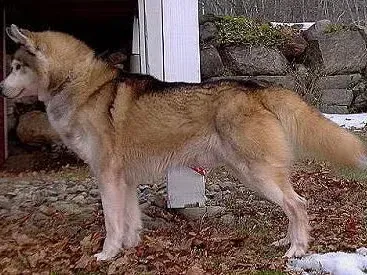
A rich sable-coated Siberian
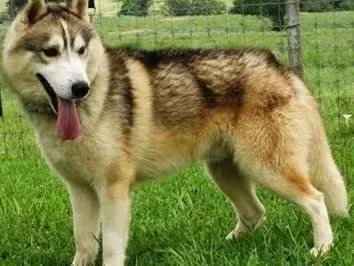
A Siberian exhibiting a sable coat
Sable
The sable-coated Siberian, another very rare coat color, always has black points and black tipping on the fur. The undercoat is a shade of red—one of the three mentioned above—but never beige as in wolf-grey coats.
Pigment is restricted with a full allowance of color. Dilution factors never affect the shade. Some sables are born a wolf-grey color, but the red tone deepens over time. Sables are sometimes called “black-nosed reds.”
Related: Best Reasons to Get a Siberian Husky
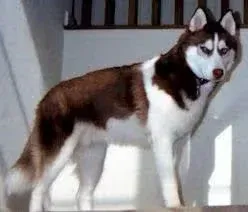
Red pinto Siberian
Pinto Pattern
“Pinto” is not a color; it is a pattern. A pinto Siberian can be any of the colors above, except white. The pinto Siberian has an excess of white, usually over the shoulders and front legs.
Featured Gallery
1 / 1
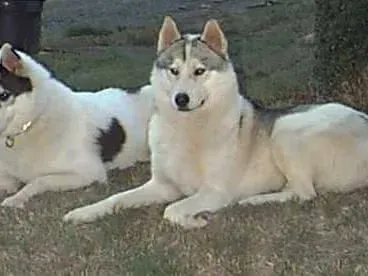
A black and a grey piebald side by side
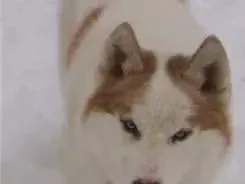
A red piebald Siberian
Piebald Pattern: Paint the Town
The piebald pattern is quite rare in Siberians. White exceeds 30%; this breaks up the Siberian’s coloration, giving the dog spots and unique markings. Piebalds can be more colored than white or all white except for a single spot.
Featured Gallery
1 / 1
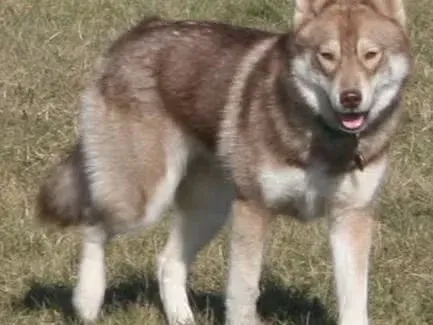
A dirty-faced red Siberian
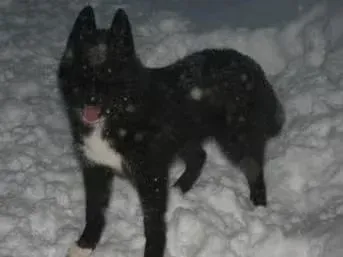
A black Siberian, dirty-faced
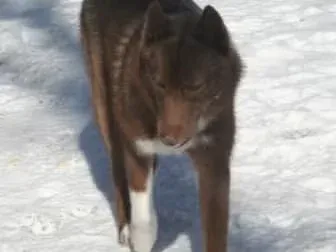
A gorgeous dirty-faced dark red Siberian
Dirty-Faced Siberians
A dirty-faced Siberian (also known as dark-faced) is heavily marked. There is little white on the face or body of the dog. This can create a wolf-like appearance.
Featured Gallery
1 / 2
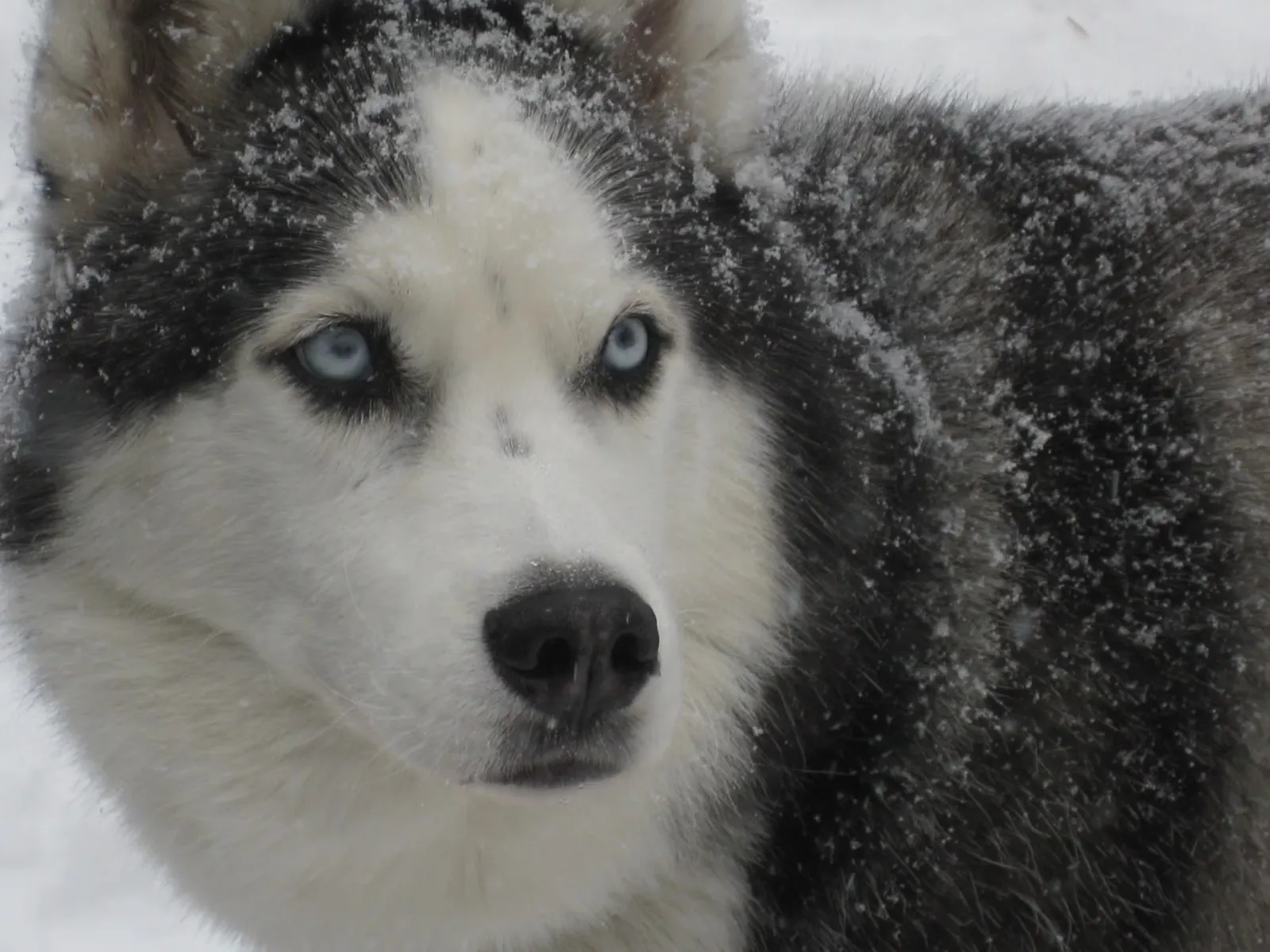
_Blue eyes
Irinka via Flickr (CC BY 2.0)_
Deep brown eyes
Gorgeous amber eyes
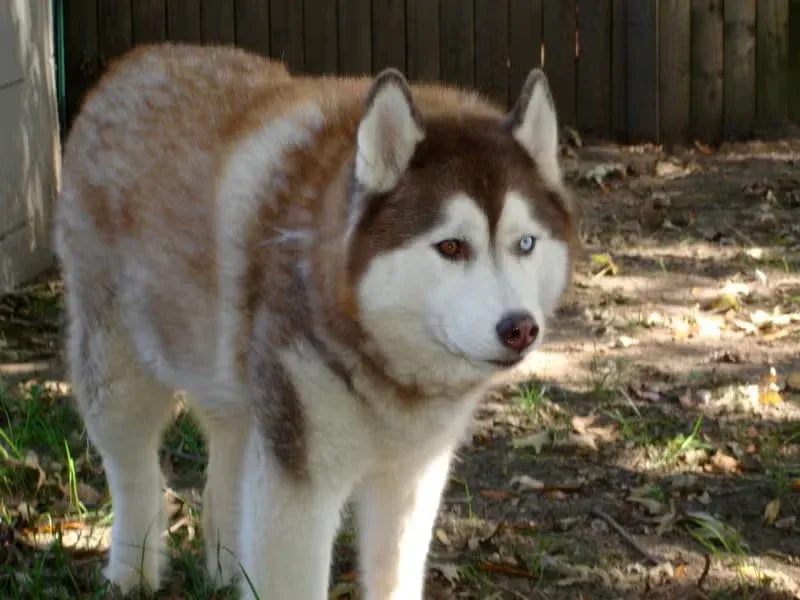
_Bi-eyed
Penny Blankship via Flickr (CC BY 2.0)_
Rare parti eyes
Husky Eyes
Siberians’ coats come in a wide range of colors, and so do their eyes!
- Blue eyes: What people commonly picture when they think of a Siberian.
- Brown eyes: A deep, rich brown color.
- Amber eyes: Usually seen in red-and-white or pure-white Siberians. A very light brown coloration of the iris.
- Bi-eyed: The eyes are different colors. Examples include one blue and one brown, one brown and one amber, and so on.
- Split-eyed: The iris is divided in half. One half is one color, and the other is a different color. Example: top half blue, bottom half brown, or left half brown, right half blue. It can occur in only one eye or both eyes.
- Parti-eyed: A parti-eyed Siberian is quite rare. The eye is one color with “spots” of another color mixed in. Example: A blue eye with brown spots.
Related: Is There Something Wrong With My Husky’s Eyes?