The Complete Aussie Shepherd Handbook: Traits, Care, and Training
Sage Bennett
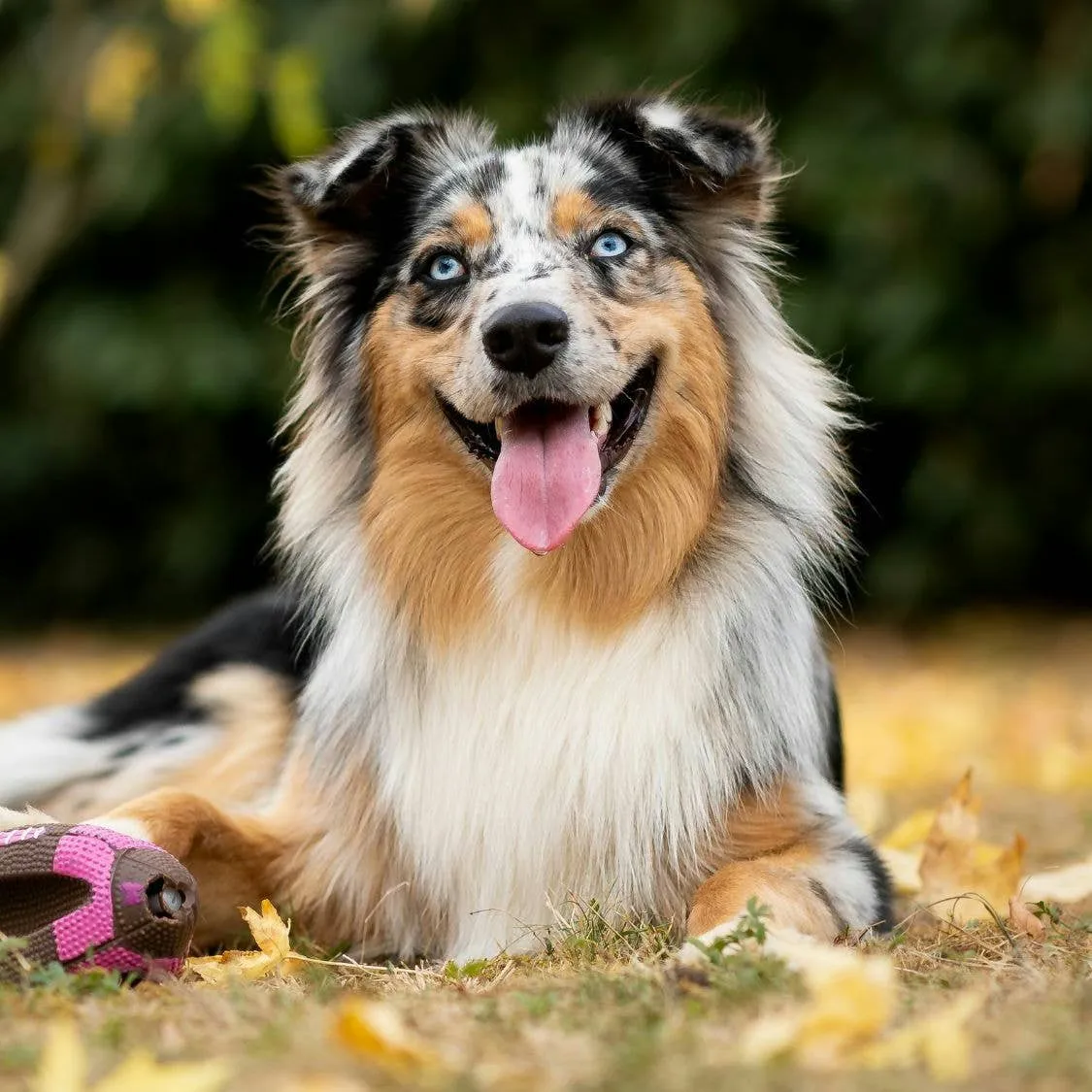
Discovering the Australian Shepherd: A Devoted, Energetic Herding Breed
Australian Shepherds are striking, intelligent, and lively dogs that—surprisingly—originated in the United States, not Australia. The name comes with a fascinating history.
In the 1800s, shepherds from the Basque regions of Spain and France migrated to Australia, bringing their sheepdogs, likely Pyrenean Shepherds. Once in Australia, they crossed these dogs with British breeds such as Border Collies. Around the 1840s, these shepherds and their dogs moved to California. Americans mistakenly thought the dogs were an Australian breed and began calling them "Australian Shepherds."
These dogs, with their strong herding drive, were ideal for the American West, and breeders further refined the breed to work on ranches and farms. So, today's Australian Shepherd was actually developed and perfected by American breeders on U.S. soil.
From Working Dogs to Beloved Companions
Also known as Aussie Shepherds or simply Aussies, these dogs became very popular in the United States, not only as herders but also as rodeo performers, service dogs, narcotics detection dogs, canine sports champions, and cherished family pets. As of 2022, the American Kennel Club (AKC) ranked them as the 12th most popular breed.
Their compact size and exuberant, playful nature make them suitable for many households—provided the owners can match the Aussie's high energy! Read on to learn more about this active and impressive breed to decide if an Aussie Shepherd is right for your family.
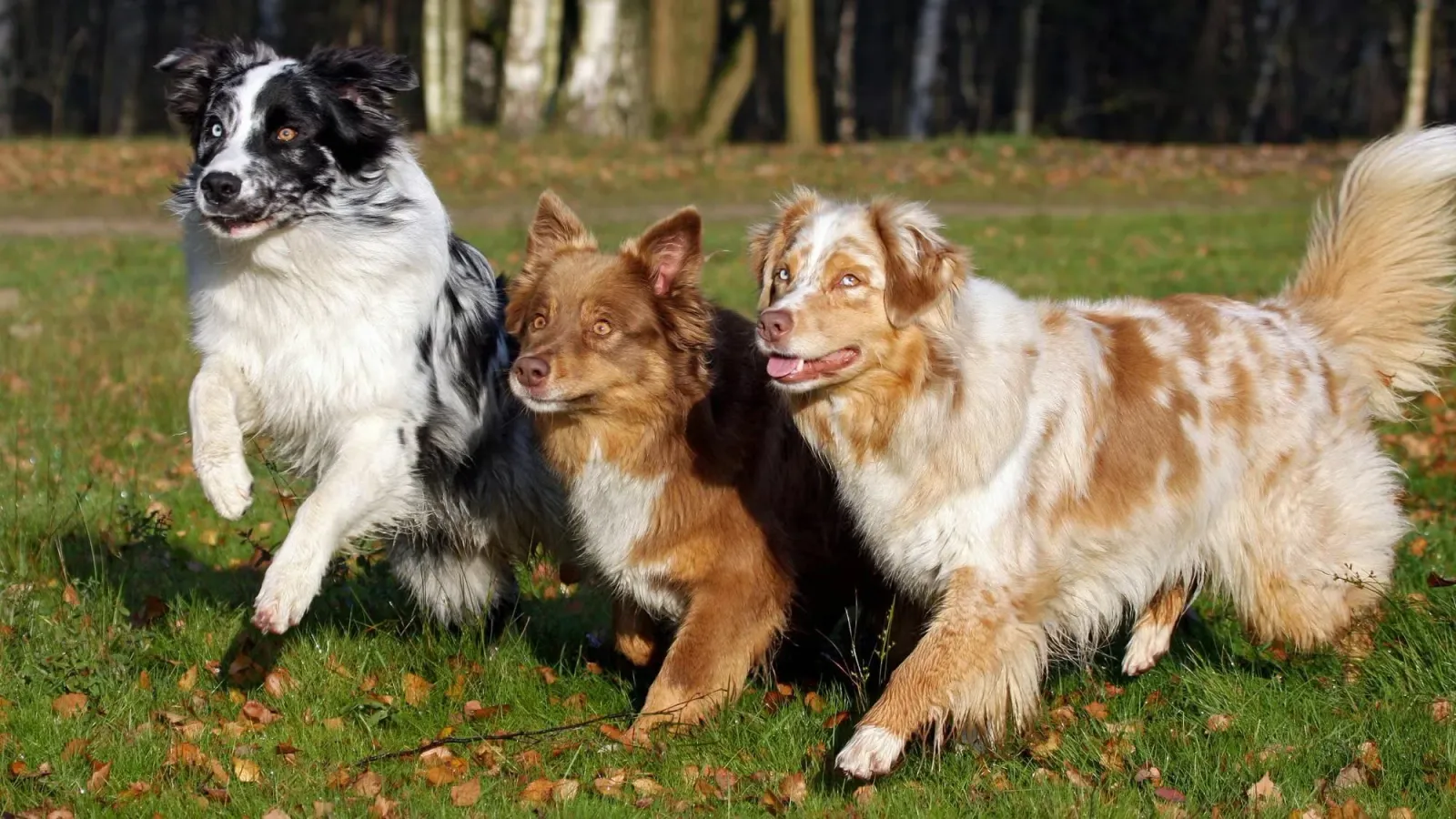
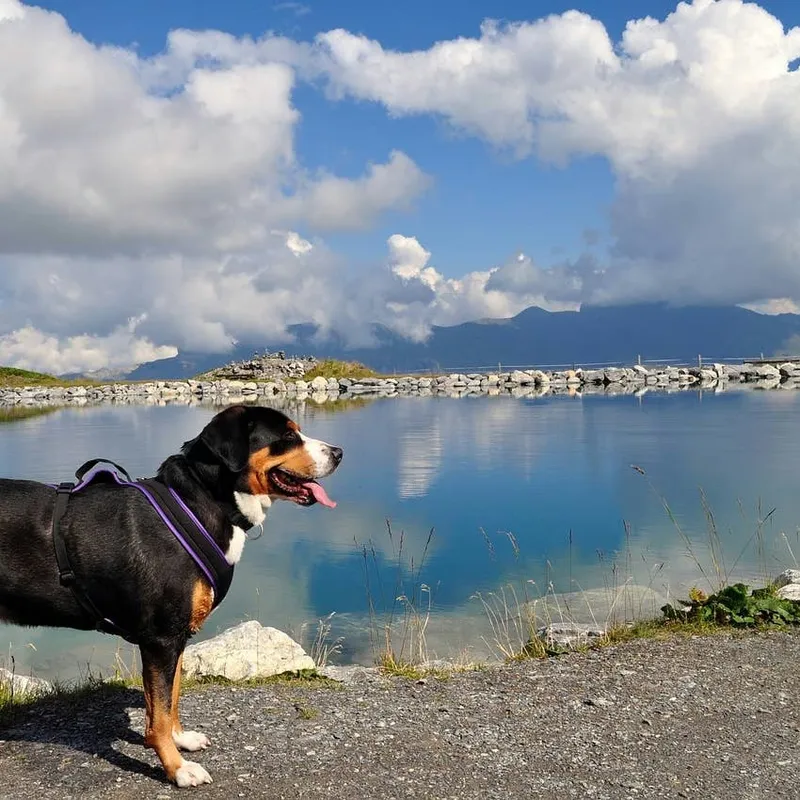
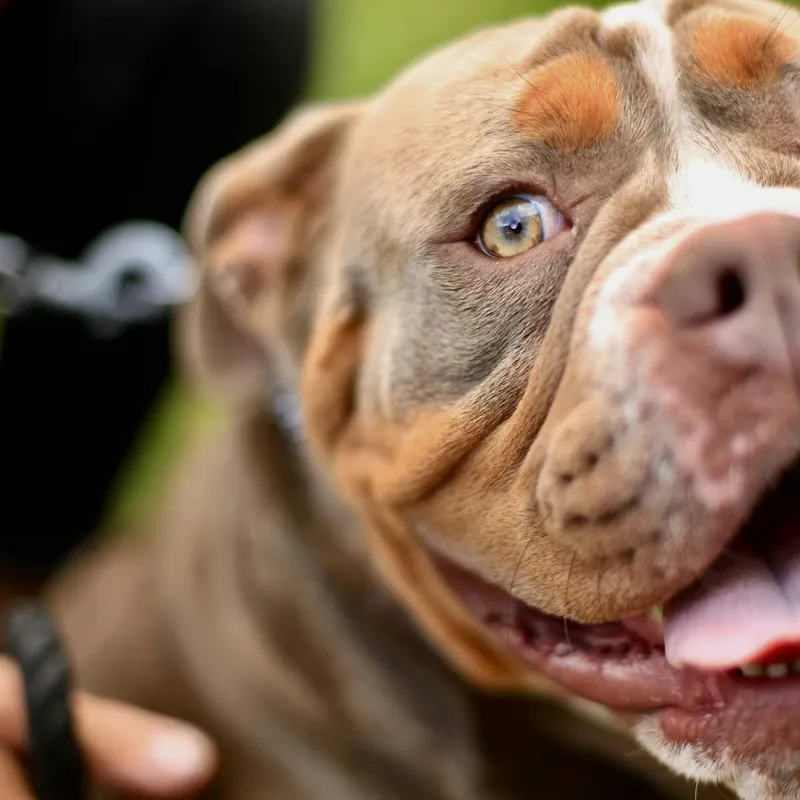
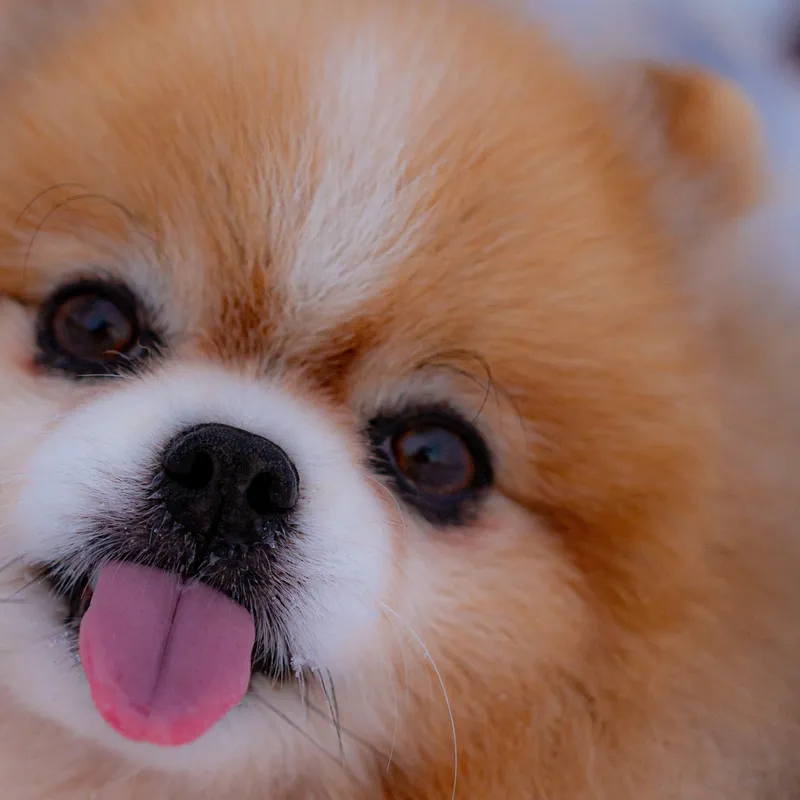
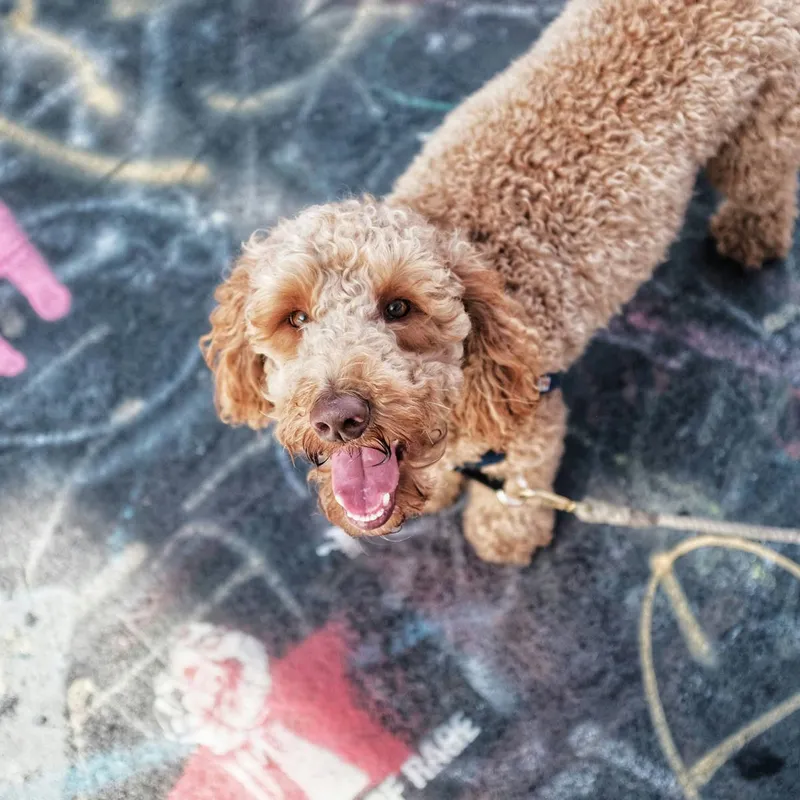
These three Aussie Shepherds demonstrate the wide variety of coat colors, markings, and eye colors for the breed.
Photo by madcorona from Getty Images; Canva
Physical Traits of the Australian Shepherd
The Aussie Shepherd is a medium-sized dog with a thick, often wavy coat and a lean physique. Their bodies are low to the ground, and their tails are very short. Many Aussies are born with naturally bobbed tails, a trait selectively bred to prevent tail injuries while herding livestock.
This breed is known for its striking eyes, which come in various colors. The icy blue is perhaps the most famous, but Australian Shepherds can also have yellow, amber, green, or brown eyes. Some Aussies have one blue eye and one brown eye, a harmless (and beautiful) condition called heterochromia.
Coat and Colors
Australian Shepherds have a medium-length double coat with a bit of texture and a plush appearance. The outer coat is longer and water-resistant, either straight or wavy. The undercoat is soft and fluffy. Their fur forms a mane around the neck, especially in males, and they have feathering (fringes of soft hair) on the backs of their front legs and britches.
The AKC recognizes four standard coat colors and three standard marking patterns for Aussie Shepherds.
Standard Colors
- Black
- Blue Merle (mottled black patches on gray)
- Red
- Red Merle (mottled brown patches on tan)
Standard Markings
- Tan Points (tan markings on eyebrows, muzzle, chest, belly, lower legs, and under the tail)
- White Markings (patches of white on muzzle, throat, chest, belly, and lower legs)
- White Markings, Tan Points (combination of both)
Solid-colored dogs with white markings are sometimes called red bicolor or black bicolor Australian Shepherds. When they have both white markings and tan points, they're called red tricolor or black tricolor Aussies.
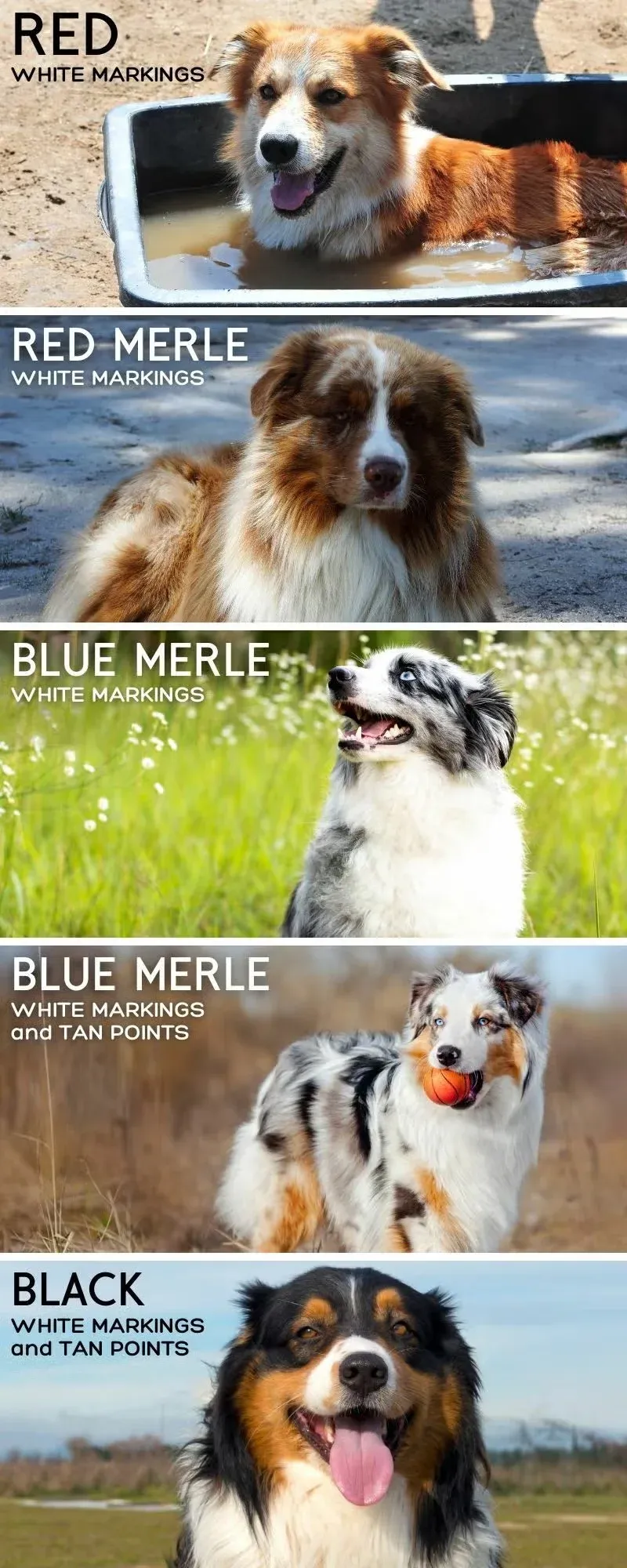
Here are just a few examples of the coat colors and markings for Australian Shepherds. These dogs can look wildly different from one another!
Hightower_NRW, AugustineChang, Tatyana Consaul, Ksuksa, cynoclub; Getty; Canva
Size of an Aussie Shepherd
On average, these dogs stand about 18–23 inches tall (46–58 centimeters). They typically weigh 40–65 pounds (18–29 kilograms). Females tend to be smaller than males.
- Female Height: 18–21 inches (46–53 centimeters)
- Female Weight: 40–55 pounds (18–25 kilograms)
- Male Height: 20–23 inches (51–58 centimeters)
- Male Weight: 50–65 pounds (23–29 kilograms)
Health and Lifespan
Australian Shepherds generally live 12–15 years, which is longer than the average for all medium-sized breeds (10–13 years). While generally healthy, all purebred dogs are prone to certain conditions. Here are some common health issues for Aussie Shepherds.
- Hip Dysplasia: An inherited condition where the hip socket is malformed, leading to arthritis, inflammation, joint pain, and lameness. Treatment may include medication, physical therapy, or surgery in severe cases. Breeders can screen for hip dysplasia to avoid breeding affected dogs. The United States Australian Shepherd Association (USAS) recommends hip evaluations for all dogs.
- Elbow Dysplasia: Similar to hip dysplasia but affects the front legs instead of the rear. The USAS also recommends elbow evaluations for Aussie Shepherds.
- Epilepsy: Primary epilepsy is another inherited condition, and Aussie Shepherds are more prone to it than other breeds. Dogs with epilepsy experience seizures. It cannot be cured, and there's no genetic screening available, but veterinarians can manage it with anti-seizure medication.
- Cataracts: Clouding on the eye's lens that affects vision. The Australian Shepherd Club of America states cataracts are the "most common eye disease in Australian Shepherds." Since Aussies typically have hereditary cataracts, clouding may occur in both eyes, though at different times. Cataracts are painless and progress slowly, so most dogs adjust to vision changes.
- Other Eye Issues: Australian Shepherds have an increased risk for progressive retinal atrophy, a group of degenerative eye diseases that can lead to blindness. They're also predisposed to iris coloboma (where the iris is too small or too large) and Collie Eye Anomaly, another inherited disease affecting eye development. The USAS recommends an ophthalmologist evaluation for this breed.
- Cancer: Cancer is common in all dogs, but Aussie Shepherd owners should be especially aware of lymphosarcoma and hemangiosarcoma (HSA). Lymphosarcoma affects white blood cells, with swollen lymph nodes as the most common early symptom. HSA affects blood vessels and is an aggressive cancer that spreads rapidly. Tumors may form on the spleen, heart, or under the skin, and early symptoms vary by location. Unfortunately, HSA symptoms are usually subtle, making early detection difficult.
- Multi-Drug Resistance Mutation (MDR1): A gene mutation that makes dogs sensitive to certain medications, including common flea, tick, and heartworm preventives. Affected dogs may experience serious side effects. MDR1 is common in Aussie Shepherds, so testing is essential. If your dog has MDR1, inform your veterinarian to keep it in your pet's file. Usually, alternative medications are available.
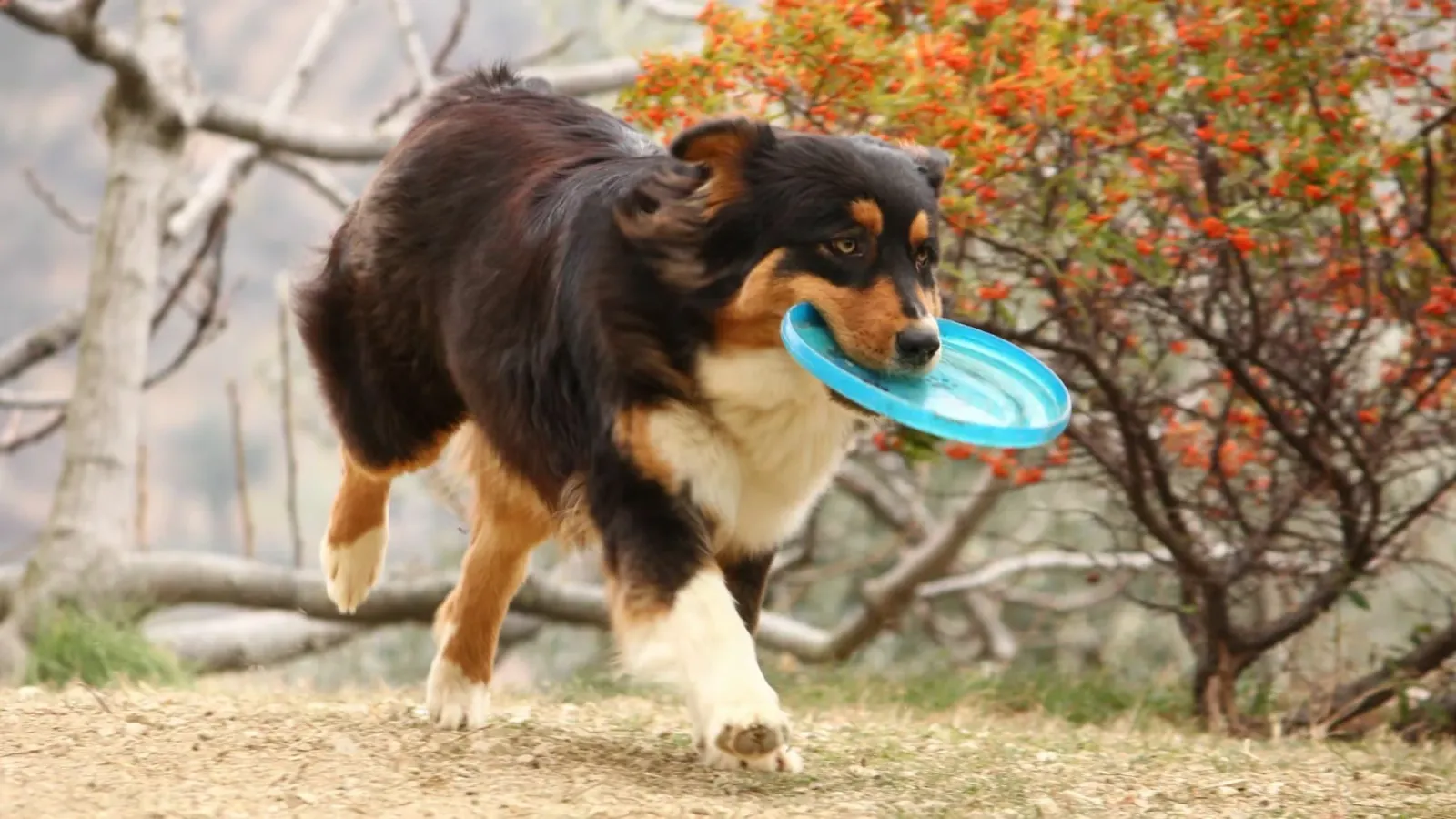
Frisbee is one of the Aussie’s favorite games.
Photo by Buffy1982 from Getty Images; Canva
Temperament of Australian Shepherds
Aussies are affectionate, playful dogs that love being with their people, ideally doing something fun and active like hiking, running, or playing Frisbee. This intelligent breed thrives on human interaction, whether learning new tricks, competing in canine sports, or playing a vigorous game of fetch. Australian Shepherds form deep bonds with their people and are intensely loyal. They're unhappy when left alone.
Due to their high energy levels and working dog background, Australian Shepherds need both physical exertion and mental stimulation. These dogs need a job to do! Bored or lonely Aussies can be vocal and destructive, so a happy home life requires owners to provide plenty of exercise, attention, and activity.
Managing the Herding Instinct Through Training
Aussie Shepherds will create their own "work" if not given an outlet; for example, without livestock to herd, they may try to herd children instead. This might sound cute, but kids won't appreciate being barked at and having their ankles nipped.
Aussies are also known to chase other animals (cats, squirrels, etc.) or even cars, which is very dangerous. However, you don't need to buy a flock of sheep to manage your dog's herding drive!
Obedience Training
Obedience training helps manage the dog's urge to nip and chase. Fortunately, Aussies are brilliant and eager to please, making them easy to train. Teaching commands like recall, "stay," "sit-stay," "leave it," and "heel" helps control their behavior. This breed is smart and eager enough to learn advanced commands and flashy tricks, so training shouldn't stop at the basics!
Socialization Classes
Early socialization is also important. While not unfriendly or aggressive, Aussies are typically reserved around strangers. Without proper socialization, that reserve can turn into standoffishness or fear.
Enrolling in socialization classes helps your dog learn good manners and proper behavior by exposing them to various people, animals, situations, smells, sounds, and sights. These classes are especially useful for teaching your Aussie Shepherd how to behave around kids (no herding!) and how to meet new people.
Grooming Needs
One look at the Australian Shepherd's plush, luxurious coat, and you'll guess these dogs need a lot of grooming. Correct! Their coat can mat, so weekly brushing with a slicker brush—a brush with short, angled wire pins designed to tackle hair without irritating the skin—is necessary. This brush also reduces shedding. Weekly brushing distributes healthy oils throughout the coat, making fur shine.
Shedding and Baths
Aussies are moderate shedders overall, but they blow their coat heavily in spring. Manage this fur explosion with an undercoat rake, a rake-like brush with small, sharp blades that remove loose hair from the fluffy inner layer. Follow with a slicker brush to clean up the outer coat. (You can use the undercoat rake year-round to help manage shedding, too!)
Fortunately, Australian Shepherds don't need frequent baths. They love romping outdoors, which can leave them muddy, but usually, toweling them off at the door and wiping their paws is enough.
Nail Care
Trim your dog's nails as needed. Since Aussies run so much, they tend to wear nails down naturally, but if you hear clicking on the floor, it's time for a trim.
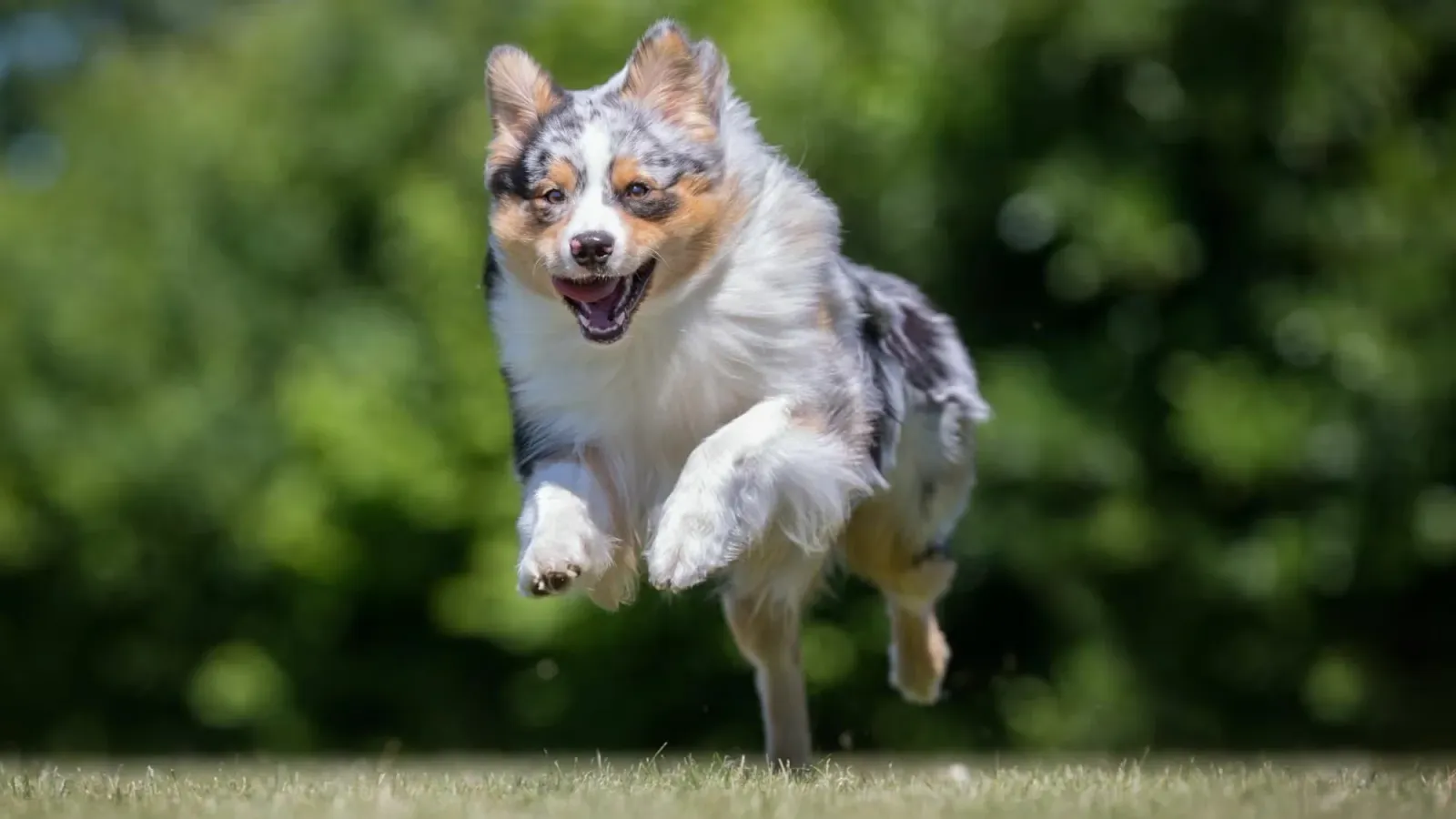
“Let’s go plaaaaaaay!” Australian Shepherds have seemingly limitless energy.
Photo by Bigandt_Photography from Getty Images; Canva
Exercise Requirements
This is crucial: Aussie Shepherds need lots and lots of exercise. The AKC notes that many Aussies are surrendered to rescues because owners can't handle their seemingly endless energy. Only consider this breed if you're confident you can meet the dog's physical needs and provide safe outlets to run and play.
The AKC recommends 1–2 hours of daily exercise for Australian Shepherds. They love almost any outdoor activity: long walks (one lap around the block won't cut it), hiking, jogging, running, fetch, Frisbee, or just galloping in the yard. However, only let your dog run loose in a fully fenced area; otherwise, herding instincts may compel them to chase squirrels—or worse, cars.
If you own livestock, your Australian Shepherd will be thrilled to herd them, which is another great exercise outlet. Most of us don't have sheep at home, though!
Avoid Hard Exercise with Puppies
One important caution if you want your Aussie as a running buddy: Don't run with your dog on hard surfaces until they're fully grown. Puppies' skeletal systems are still developing, and running on hard ground or jumping too vigorously can interfere with healthy growth and increase the risk of joint problems. Once fully grown, your dog will be thrilled to run with you, especially on trails.
Canine Sports for Aussie Shepherds
Canine sports are an ideal fit for this breed. Aussies are smart and compliant, so they enjoy training for these events and learn the rules quickly. Both training and competing are productive ways to channel the Aussie's boundless energy! Here are a few great options.
- Agility Trials: These involve running, jumping, clearing obstacles, and obeying commands—Aussies excel at all. Check out the video above to see an Australian Shepherd zipping through a championship agility course!
- Obedience Competitions: As a sport, obedience tests the dog's ability to listen and complete tasks like retrieving, staying, jumping, and walking on- and off-leash.
- Flyball: Flyball combines racing, hurdles, and ball retrieval. The dog jumps through hurdles, triggers an automatic ball launcher (flyball box), retrieves the tennis ball, and races back. This exciting sport tests the Aussie's speed and athleticism!
- Herding Trials: This sport assesses the dog's ability to control and direct livestock like sheep, cattle, or ducks. It's a great way to let your Australian Shepherd use natural herding instincts without owning livestock! Check for an AKC club near you to start herding classes.
- Dock Diving: Exactly as it sounds. The handler throws a toy into a pool while the dog waits on a dock. At the command, the dog dashes down the dock, leaps into the water, and grabs the toy. In competitive dock diving, dogs are ranked by jump length.
- Disc Sports: Australian Shepherds love Frisbee, and there are various canine disc sports to compete in. For example, UpDog involves different games, some just throwing and catching the disc (with added complexity like catching in zones or on a time limit) and others combining disc-catching with agility.
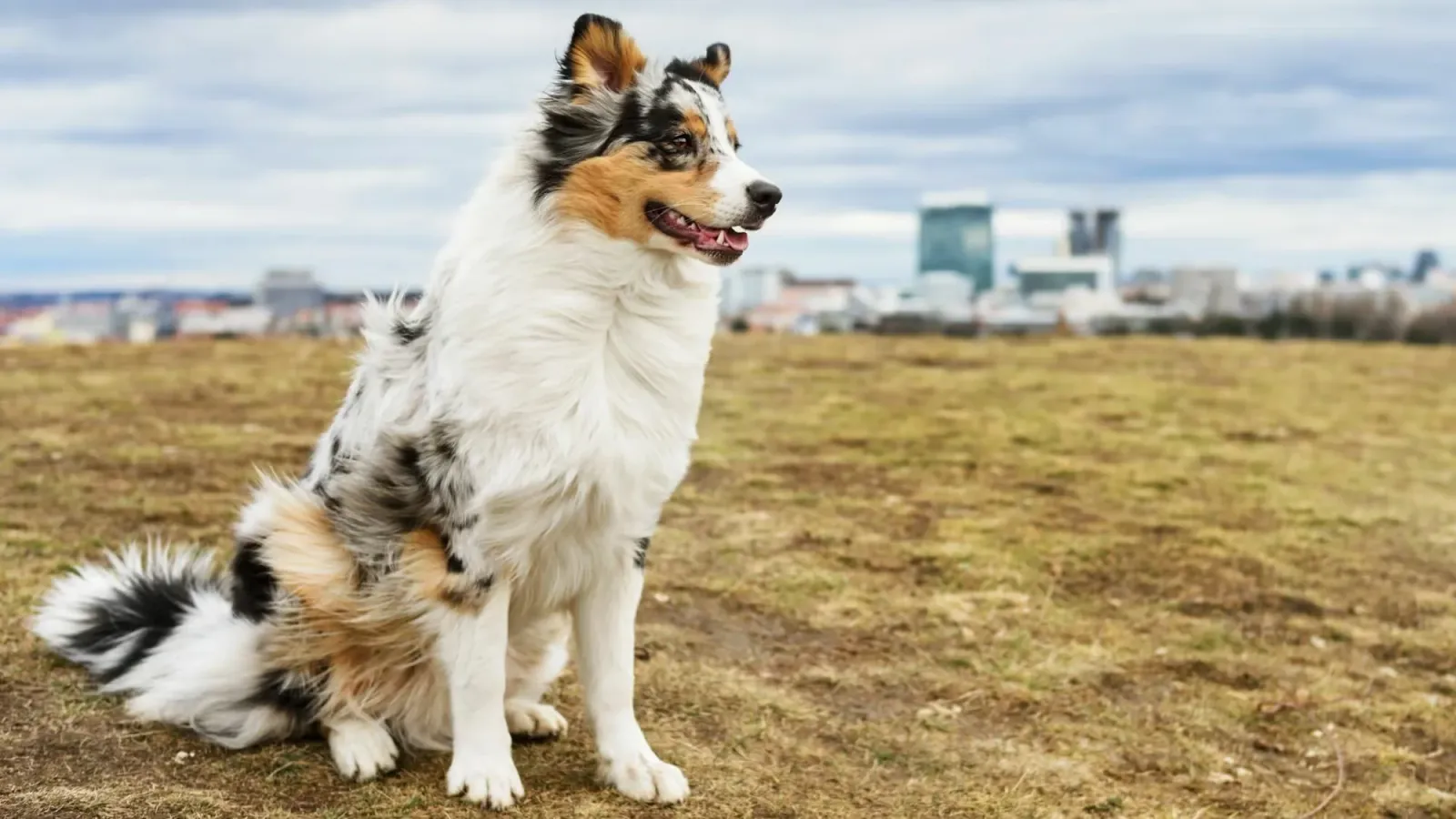
If you lead an active lifestyle and need an adventuring buddy, the Aussie Shepherd would love to be your pal!
Photo by Johny87 from Getty Images; Canva
Australian Shepherds: Fun, Tireless Companions for Active Owners
If you're outdoorsy and love hiking and running, the Australian Shepherd may be your perfect canine buddy. (Bonus if you have a farm or ranch with livestock!) These handsome dogs with striking eyes and lush coats are totally devoted to their owners. Aussie Shepherds are not for absentee owners or couch potatoes—this breed needs time, attention, and lots of activity!
Anyone considering adopting an Australian Shepherd must consider the dog's energy levels. Don't underestimate the exercise and mental stimulation this breed needs. If you can keep up with the Aussie's exuberance, you'll be rewarded with an intelligent, loyal companion—and a tireless partner for all your adventures.
FAQs
What is the average weight and height of an Australian Shepherd?
The average Aussie Shepherd weighs 40–65 pounds (18–29 kilograms) and stands 18–23 inches tall (46–58 centimeters). Females tend to be on the lower end of the ranges.
Are Australian Shepherds good with children?
Yes, Aussies are known to be good with kids; the AKC gives this breed top marks for being tolerant and patient with children, including young kids. Australian Shepherds love to play and romp with kids. However, this breed has a tendency to try to herd children, which involves barking and nipping at their heels. This can be upsetting, especially for little kids.
Early socialization and training are recommended to manage herding instinct. All dogs should still be supervised around kids, particularly if the children haven't learned how to behave nicely around dogs (no pulling fur or tails, for example).
How often do Australian Shepherds need exercise?
This breed needs 1–2 hours of daily exercise. Aussies are high-energy dogs and need a lot of activity to channel all that energy! Long walks, runs, hikes, and lively fetch or Frisbee sessions are excellent options. This breed also excels in various canine sports, including agility trials, flyball, dock diving, and canine disc sports.
Do Australian Shepherds have high-maintenance grooming needs?
Australian Shepherds have moderate grooming needs. Their double coats are thick and luxurious, so they need daily brushing to remove loose hair, prevent matting, and keep fur shiny and healthy. They shed year-round, but heavily in spring. Owners can purchase an undercoat rake for the fluffy inner layer and a slicker brush for the outer fur.
Do Australian Shepherds have a propensity for aggression?
No, Aussie Shepherds are not aggressive dogs. They're easy-going, intelligent, and eager to please. However, they are usually reserved with strangers, and early socialization is important to ensure they don't become fearful around new people.
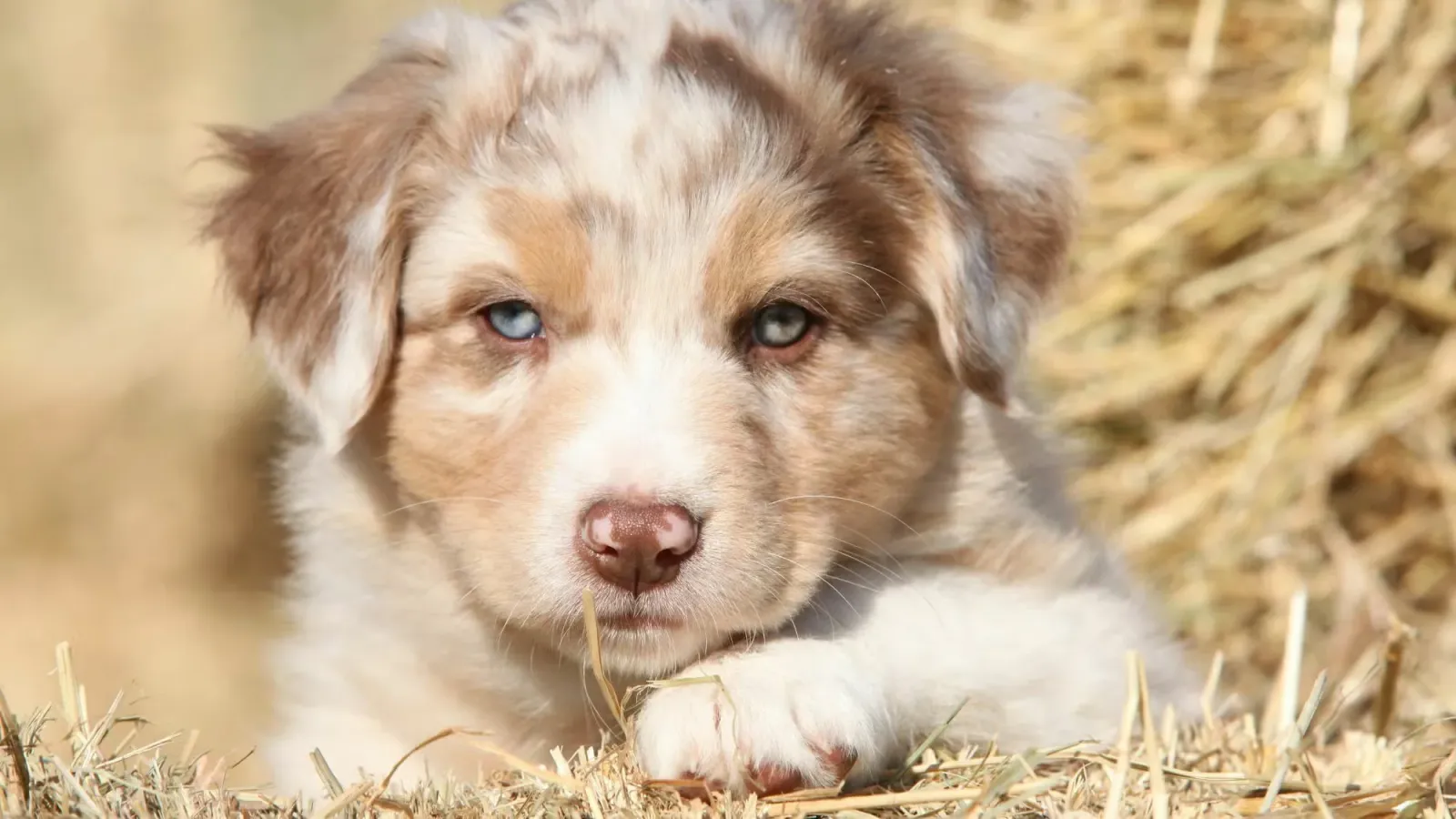
Aussies are super-smart dogs that are eager to please their owners. This fluffball is a red merle puppy with white markings and tan points.
Photo by Zuzule from Getty Images; Canva
Sources
- American Kennel Club. (n.d.). Australian shepherd dog breed information. Web.
- DogTime. (2023). Australian Shepherd. DogTime. Web.
- Pattemore, C. (2023, August 31). Australian Shepherd Dog Breed Facts & Information. The Dog People by Rover.com. Web.
- Colgate. (2019). Australian Shepherd Dog Breed Facts and Traits | Hill’s Pet. Hill’s Pet Nutrition. Web.
- BeChewy. (2023). Australian Shepherd. BeChewy. Web.
- Ryan, K., DVM. (2023). Australian Shepherd. . Web.
- ASCA. (2022, August 30). The Australian Shepherd—ASCA. Web.
This article is accurate and true to the best of the author’s knowledge. It is not meant to substitute for diagnosis, prognosis, treatment, prescription, or formal and individualized advice from a veterinary medical professional. Animals exhibiting signs and symptoms of distress should be seen by a veterinarian immediately.
© 2023 Mortimer Sink