American Staffordshire Terrier: A Comprehensive Look at the Breed's Background, Traits, and Care
Sage Bennett
Introduction to the American Staffordshire Terrier
The American Staffordshire Terrier, often called the AmStaff, is a breed celebrated for its remarkable strength, intelligence, unwavering loyalty, and innate charisma.
Developed in England during the 1800s for bull-baiting and dog-fighting, the breed's future became uncertain once these activities were outlawed. However, the AmStaff soon gained popularity in American homes thanks to their affectionate nature and companionship. Their trajectory mirrors that of the English Bulldog, which underwent similar changes in the same era.
This article will explore the AmStaff's history, personality, care needs, and basic training requirements. We will also compare them to the Pit Bull, review potential health issues, and answer common questions about the breed.
Whether you are a new owner or simply an admirer, this guide offers useful insights and practical advice for owning or adopting an AmStaff. Ready to learn more? Let's begin!
In This Article
- Origin of the AmStaff
- Characteristics and Traits
- Care Needs of the AmStaff
- Final Thoughts
- FAQ
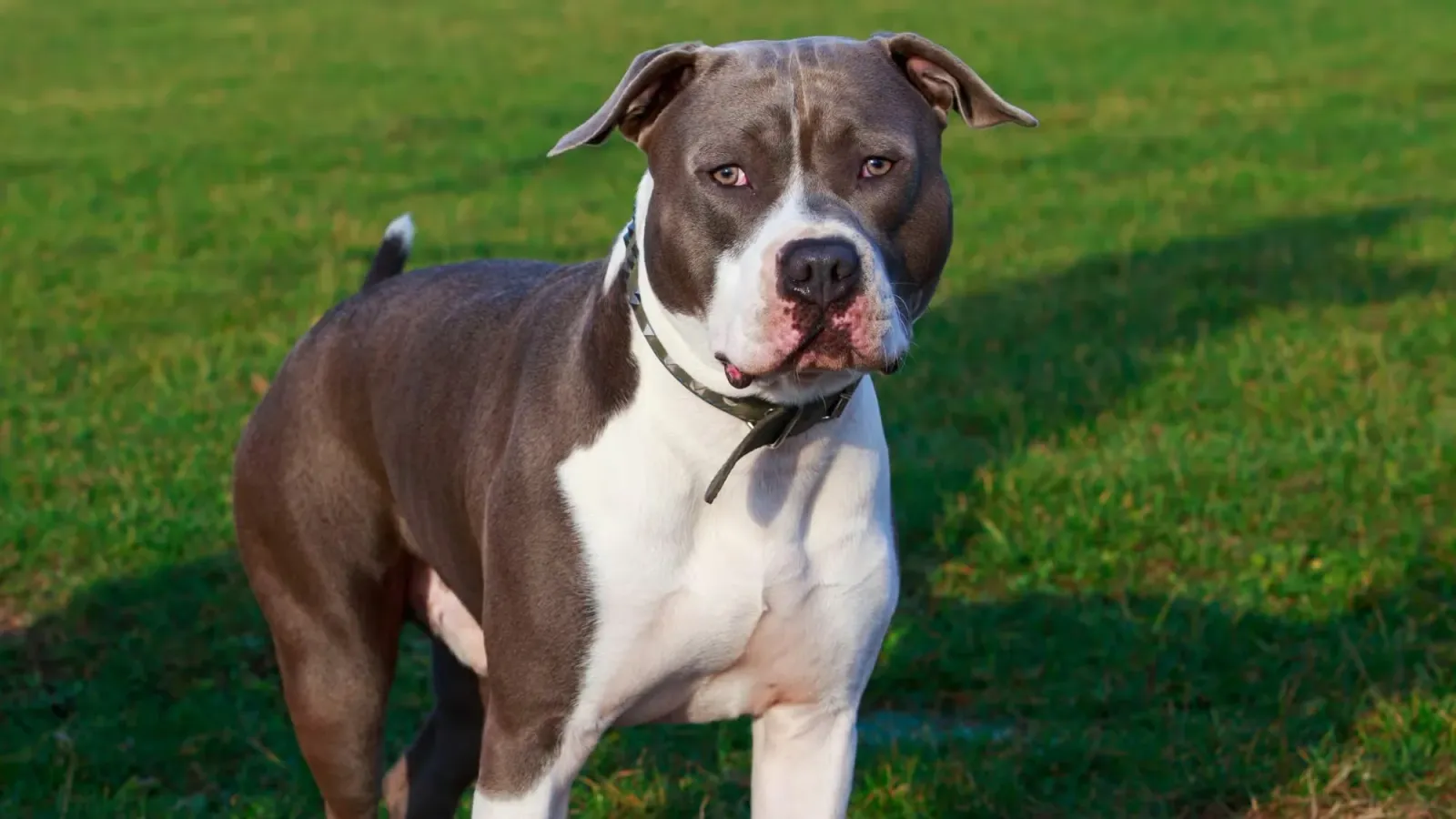
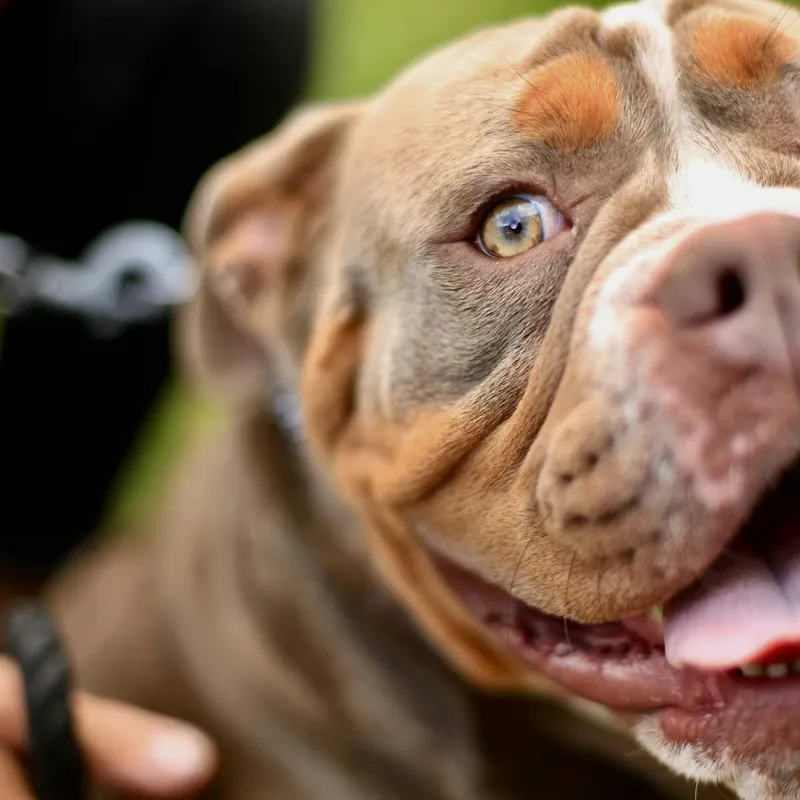
Like many dog breeds, the American Staffordshire Terrier is renowned for their unique history.
Photo by DevidDO from Getty Images; Canva
Origin of the AmStaff
- Date of Origin: 1800s
- Original Function: Bull-baiting and dogfighting
- Family: Terrier, Mastiff Bull
Because of their past, imposing looks, and personality, the AmStaff is frequently listed among the most distinctive dog breeds. In this section, we will look at the breed's roots and the specific traits that set them apart from standard pit bulls.
American Pit Bull Terrier vs. American Staffordshire Terrier
The American Pit Bull Terrier (APBT) and the AmStaff are often mistaken for each other due to their shared ancestry and similar looks. However, there are notable differences between them.
APBTs tend to be smaller and more agile, and they are recognized for their working abilities and versatility. AmStaffs, in contrast, are a bit larger and have a more uniform appearance as a result of selective breeding. They are also often more stocky but show less pronounced muscle tone than the APBT.
Both breeds are generally very loyal and affectionate with their families, making them excellent family dogs if properly socialized early on. As with any dog, responsible ownership and training are vital for these breeds to help them become well-adjusted adults.
History and Evolution of the Breed
The AmStaff's history can be traced to England, where they were first bred for bull-baiting and dogfighting in the 1800s. When these blood sports were outlawed, breeders began focusing on creating a less aggressive dog, which led to the Staffordshire Bull Terrier.
As the breed's popularity spread, some of the first Staffordshire Bull Terriers were brought to America in the late 1800s. There, they were selectively bred for size and strength. This American version, the American Staffordshire Terrier, was officially recognized by the AKC in 1936. Over time, responsible breeding helped cultivate a more gentle and affectionate nature, turning them into beloved family pets.
Today, AmStaffs are valued for their natural loyalty and friendly demeanor, making them a wonderful addition to many households and living situations.
Recognition as a Separate Breed From the Pit Bull
Despite sharing ancestry, the AmStaff was officially recognized as a separate breed from the Pit Bull in the early 20th century. This was achieved through responsible breeding in the United States that focused on developing and refining less aggressive traits.
As a result, the American Kennel Club (AKC) officially recognized the AmStaff in 1936. This recognition established the American Staffordshire Terrier as a unique breed known for its friendly and loyal nature, helping to distance them from the negative associations with Pit Bulls and illegal dogfighting.
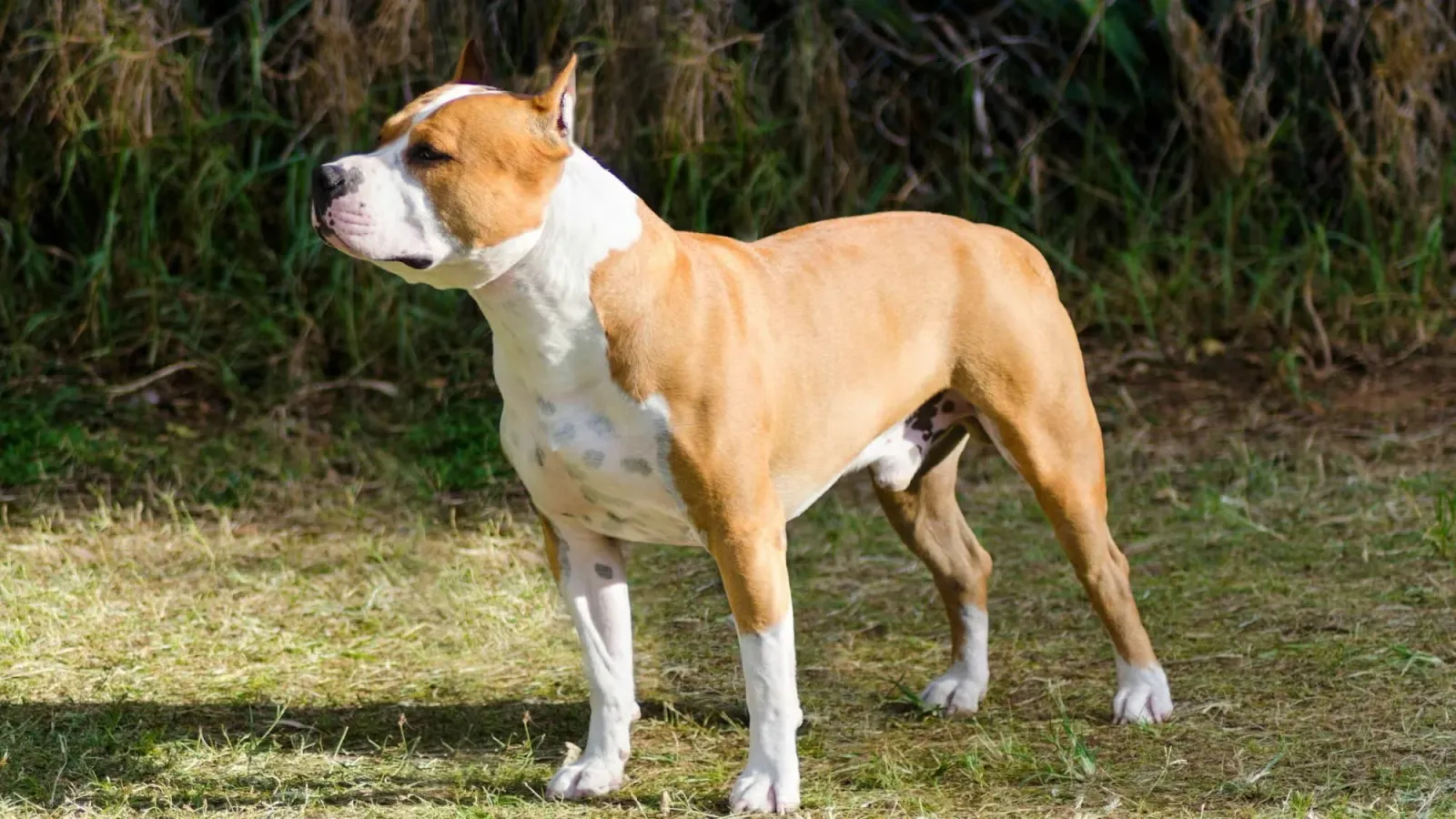
Before adopting an AmStaff, it is essential for owners to understand their unique characteristics and basic needs.
Photo by f8grapher from Getty Images; Canva
Characteristics and Traits
Now that we have a basic understanding of the AmStaff's history and origins, we can turn our attention to the dog's physical appearance and traits. We will also examine this breed's temperament, exercise needs, and health concerns.
Physical Appearance and Size
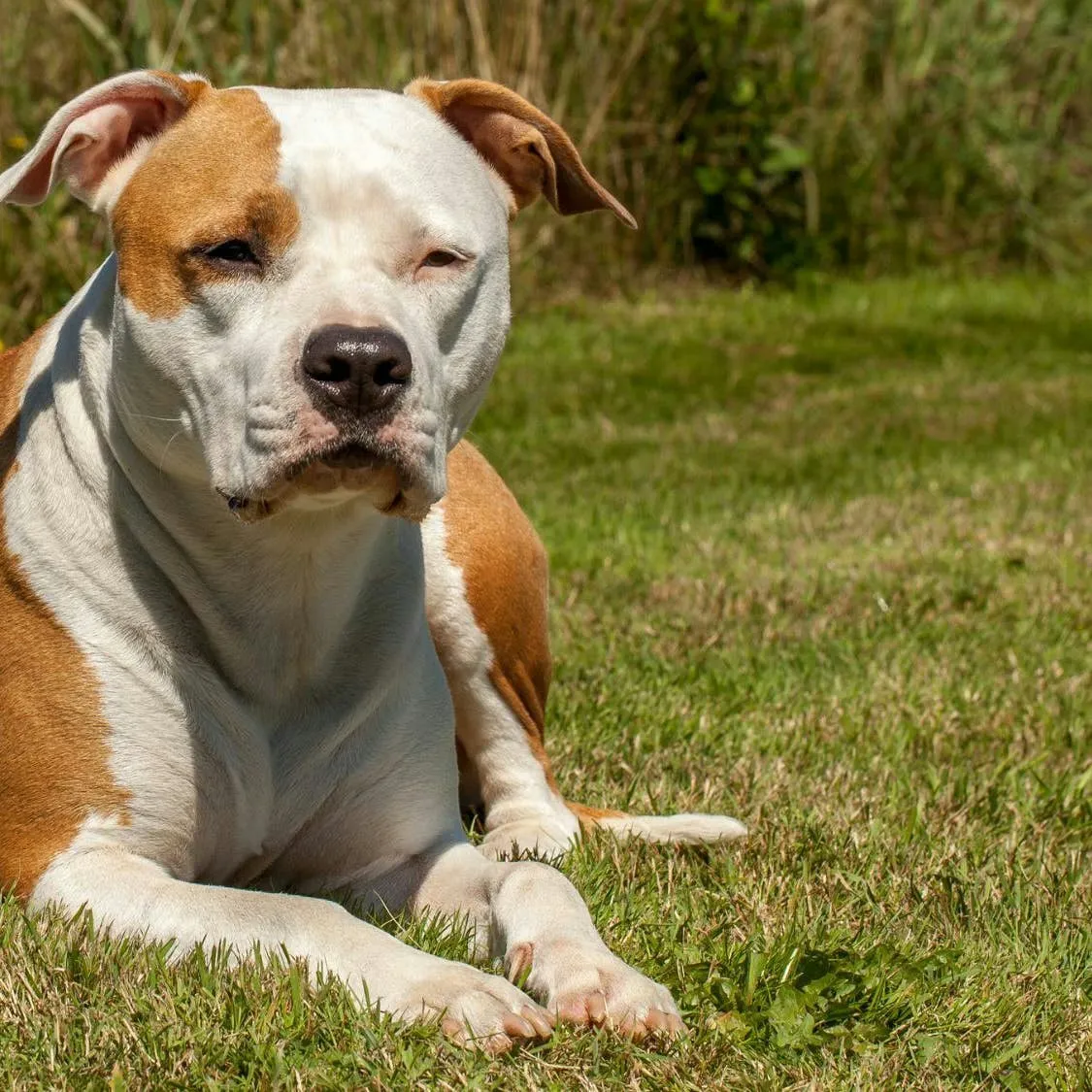
The AmStaff is a medium-sized breed renowned for their muscular body and athleticism. Below is an overview of current AKC standards for this particular breed:
- Size and Build: Medium-sized breed that typically weighs between 55 and 70 pounds (25 to 32 kg). On average, males stand around 18–19 inches (46–48 cm) tall at the shoulder, while females are slightly smaller, measuring 17–18 inches (43–46 cm). In terms of their overall build, the AmStaff is quite muscular and stocky, with a straight back, deep chest, and strong neckline. They also exhibit a strong, well-proportioned body that exudes confidence.
- Head: This breed's head is broad and well-defined. It's characterized by a short, squared-off muzzle and strong jaws.
- Eyes: This particular dog has dark and round eyes that are set widely apart.
- Ears: Can be cropped or left natural; when natural, they are small to medium in size and fold forward. In general, they are usually set high on the head.
- Coat: This breed possesses a short, glossy, and smooth coat that lies close to their body.
- Color: Acceptable coat colors for the AmStaff include shades of brindle, fawn, blue, black, and white.
- Tail: Set low, tapering to a point. Tails for this breed should never be docked.
- Legs: Straight and robust with compact, well-arched feet.
Temperament and Personality Traits
American Staffordshire Terriers are known for their affectionate, loyal, and friendly temperament. They are highly devoted to their families, making them excellent companions. These dogs are generally characterized as confident, courageous, and eager to please.
For the most part, AmStaffs are typically good with children and can be very gentle and patient. While they can be protective of their loved ones, they are not typically aggressive towards humans when well-socialized. Early training, socialization, and responsible ownership are crucial to bring out their best qualities and ensure a well-balanced and loving pet.
Did You Know?
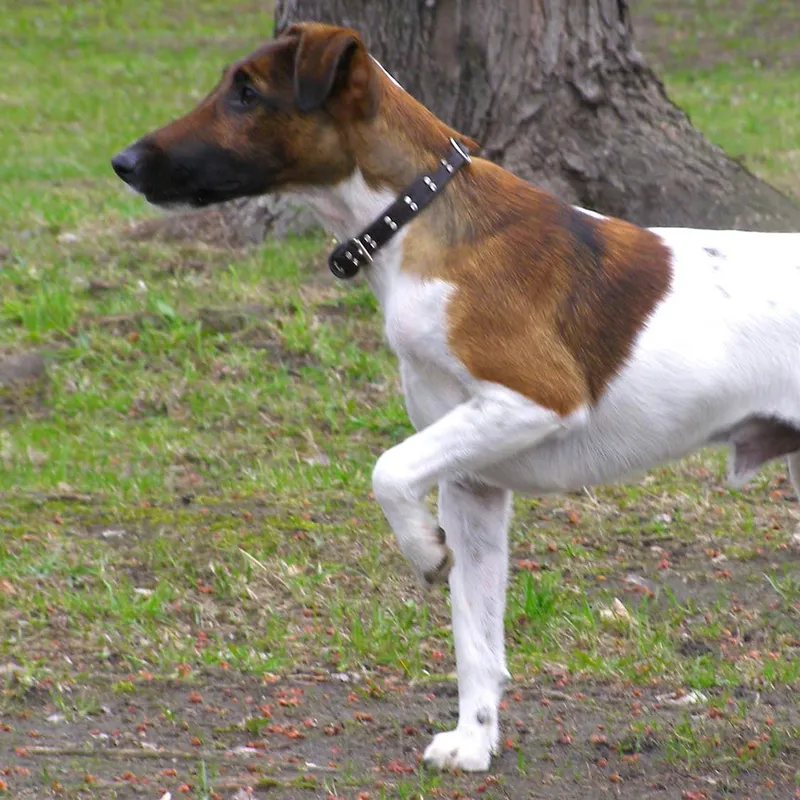
Currently, very little is known about the AmStaff's origins. Nevertheless, they are believed to have been developed through the selective breeding of Bulldogs, Mastiffs, and Fox Terriers.
Energy Levels and Exercise Requirements
American Staffordshire Terriers are a highly energetic breed with substantial exercise needs. They thrive on daily activities like brisk walks, runs, and one-on-one playtime, which helps them burn off energy and maintain a healthy lifestyle.
Engaging them in interactive games and providing challenging toys can help prevent boredom. Regular exercise is also essential to prevent behavioral issues that can arise from pent-up energy. On average, most experts agree that 45 minutes to an hour of exercise (and mental stimulation) per day is enough to keep an AmStaff happy and content.
Common Health Issues and Prevention
Although the American Staffordshire Terrier is a relatively healthy breed, they are prone to several health problems and conditions. Some of these are pretty serious and potentially life-threatening. In this section, we will discuss some of the more common medical issues associated with this particular breed.
- Hip Dysplasia: A hereditary condition where the hip joint doesn't fit properly into the socket. Prevention includes responsible breeding practices and maintaining a healthy weight through diet and exercise.
- Skin Allergies: AmStaffs are prone to skin allergies. These are often related to diet or environmental factors. Prevent skin issues by feeding them a high-quality diet. You should also groom them regularly and notify your dog's veterinarian of allergic reactions when they first occur.
- Congenital Heart Disease: Some AmStaffs may be predisposed to heart problems. These include subvalvular aortic stenosis, pulmonic valvular stenosis, and mitral valve dysplasia. Regular vet check-ups can detect these issues early, while responsible breeding practices can help reduce the risk.
- Obesity: Overfeeding or lack of exercise can lead to obesity in this breed. This, in turn, can lead to various health conditions for your pet. Owners can prevent this with a balanced diet, portion control, and regular exercise.
- Cancer: Unfortunately, this breed is prone to developing cancer in their lifetime. One of the most common cancers in the AmStaff is mast cell tumors that affect the immune system. While not entirely preventable, maintaining your dog's overall health and ensuring they receive regular check-ups can aid in early cancer detection and treatment.
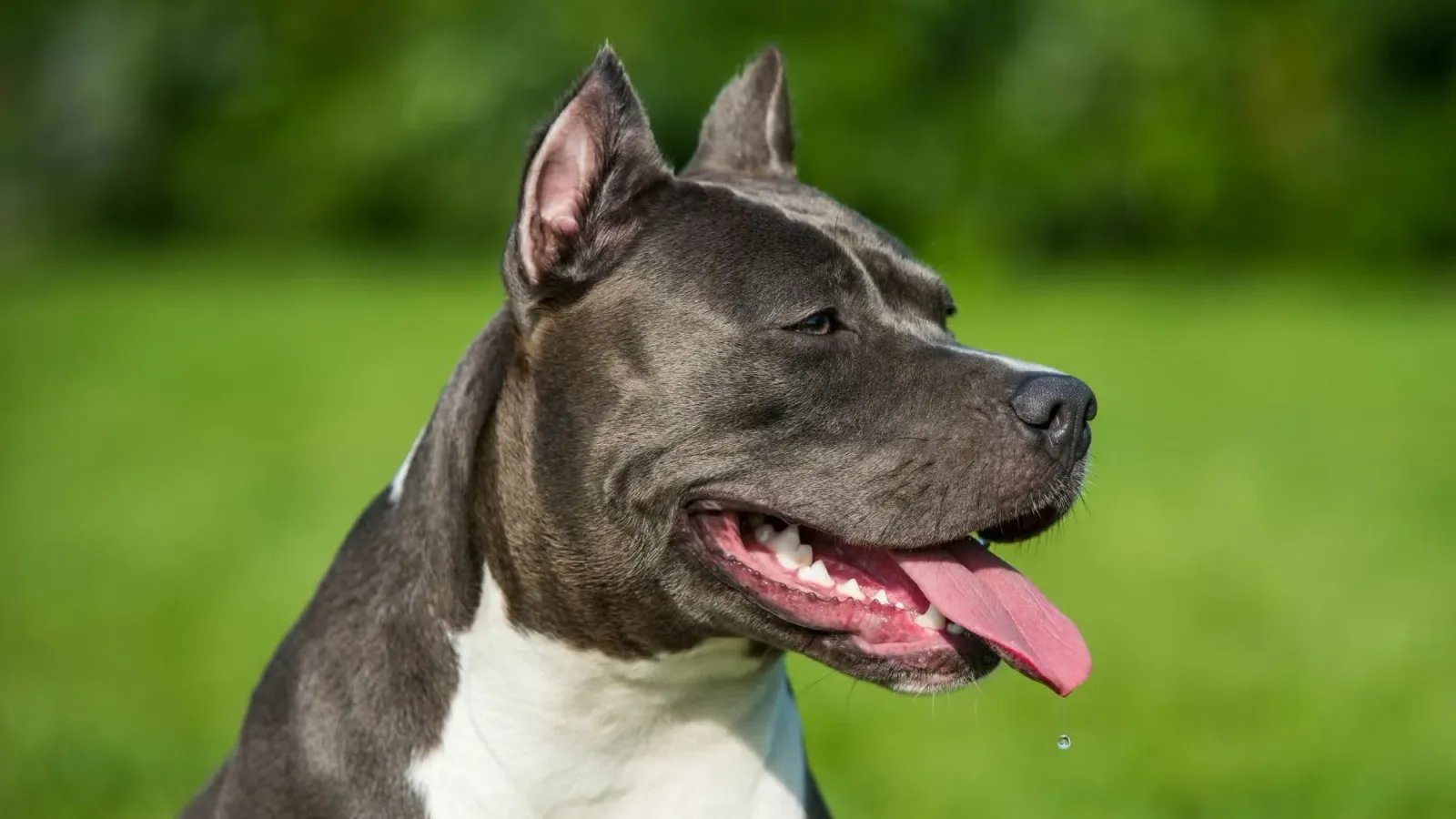
In addition to regular exercise, prospective owners must ensure their AmStaff is fed properly and socialized at an early age. This breed also has special grooming requirements that should never be ignored.
Photo by Nadia Palici's Images; Canva
Care Needs of the American Staffordshire Terrier
Aside from their physical characteristics, temperament, and health concerns, many owners are interested in learning about the AmStaff's basic needs. This section will discuss the dog's nutritional requirements and tips for training (and socialization). We will also look at this breed's grooming requirements and the importance of regular health checkups.
Feeding and Nutrition Requirements
American Staffordshire Terriers require a balanced diet to maintain their health and energy. Usually, high-quality dog food with meat as the primary ingredient is recommended. Just be sure to practice portion control, as this is vital for preventing obesity in this breed.
For best results, divide their meals into two or more servings daily (to avoid overeating). Fresh water should always be available, as this helps them stay hydrated throughout the day. Owners should also avoid feeding their dogs human food, including chocolate and grapes.
When in doubt about your dog's dietary needs, ask your veterinarian for a nutritional plan tailored to your dog's age, activity level, and specific needs. This will help ensure your dog receives proper nutrition throughout their life.
Training and Socialization Needs
As with most dogs, the AmStaff thrives on early socialization and positive reinforcement training. Socialize them from a young age with various people, sounds, animals, and environments to build confidence and prevent aggression.
Positive training methods that focus on rewards like treats and praise work best for this breed (as they love snacks and attention). As you will quickly discover, this breed is eager to please and excels in obedience training when given clear, consistent commands.
Early training and ongoing mental stimulation are also essential for preventing boredom-related behaviors. Additionally, teaching them bite inhibition is crucial as it helps control their powerful jaws.
With proper training and socialization, AmStaffs can be well-behaved, loving companions. If you experience difficulties with this process, however, it is important that you consult with a professional trainer or behaviorist for help.
Did You Know?
As a relatively healthy breed, the AmStaff has a lifespan of approximately 12 to 16 years. Some have even reached 18+ years of age. For a medium-sized breed, this is a remarkable feat.
Grooming and Hygiene Needs
In addition to regular exercise and training, owners should also plan to groom their AmStaff weekly. This helps prevent health issues and ensures your pet always looks their best. Here are some specific grooming tips for this breed. As we will see below, grooming an AmStaff isn't too difficult, as their short coat requires minimal maintenance.
- Brushing: Regular brushing with a soft-bristle brush (or rubber grooming mitt) helps remove loose hair and promotes a healthy coat. It also helps distribute the natural oils present in your dog's hair. This should be performed once a week.
- Bathing: Experts agree that owners should only bathe their AmStaff as needed; over-bathing can strip their coat's natural oils, leading to dry skin and irritation.
- Ear Care: In addition to bathing and brushing, owners should regularly check their dog's ears for signs of infection or debris. Clean them when necessary and gently remove trapped hair, dirt, or excessive earwax.
- Nail Trimming: Owners should always ensure their dog's nails are trimmed to a comfortable length. This helps to prevent overgrowth and discomfort. This procedure can be performed at home with a dog-specific trimmer or grinder. If you are uncomfortable trimming your AmStaff's nails, though, this service is provided by most veterinarians and groomers (for a nominal fee).
- Dental Hygiene: In addition to nail trimming, owners should brush their dog's teeth regularly to prevent dental issues from developing. Failure to do so can (and will) result in the development of cavities, bad breath, gum disease, and painful infections of the mouth.
- Skin Care: Finally, owners should monitor their pets for skin-related issues. This includes things like allergic reactions or dry skin. If discovered, address them promptly with your veterinarian's guidance.
Veterinary Care and Regular Check-Ups
Veterinary care and regular check-ups are crucial for AmStaffs. These routine visits help monitor their overall health, administer necessary vaccinations, and detect (or address) potential health issues early.
Regular check-ups also help ensure your AmStaff receives proper care and preventive treatments. This includes dental care, parasite prevention, and discussions about dietary needs. By maintaining a consistent veterinary schedule, you can contribute significantly to your AmStaff's well-being, promoting a longer, happier, and healthier life for your cherished companion.
Final Thoughts
In closing, the AmStaff, whose rich history can be traced back to England's bull-baiting days, has evolved into a loyal, affectionate, and well-loved family companion. Their muscular physique and gentle nature make them a unique breed suitable for various living conditions.
Make no mistake; owning an AmStaff comes with responsibilities. This includes proper socialization, training, regular veterinary care, and a commitment to their well-being. In return, they offer unwavering loyalty and affection, making them a rewarding choice for those willing to provide a safe and loving home for these remarkable dogs.
FAQ
What is the temperament of the American Staffordshire Terrier?
The AmStaff is known for their affectionate, loyal, and friendly temperament. They are often recognized for their confidence and good-natured disposition. They are great family pets and are typically good with children when well-socialized. While they can be protective, they are not typically aggressive (without provocation). Early socialization and consistent training are essential to bring out their best qualities as loving and obedient companions.
What are the exercise and activity requirements for this breed?
The AmStaff is an active breed with moderate exercise needs. They require daily walks, playtime, and mental stimulation to stay happy and healthy. Engaging in activities like fetch, agility, or obedience training can help fulfill their physical and cognitive needs. They thrive on human interaction and enjoy being a part of family activities.
Experts generally agree that 45 minutes to an hour of daily exercise is sufficient for this particular breed. Just be sure to include some mentally stimulating activities into your routine to prevent boredom.
Are American Staffordshire Terriers prone to any health issues?
Yes, AmStaffs are prone to several health issues, including hip dysplasia, hereditary cataracts, cancer, heart disease, and skin allergies. Responsible breeding, regular vet check-ups, and a healthy diet can help mitigate these risks and ensure a longer and healthier life for the breed.
How should I train my American Staffordshire Terrier?
Training an AmStaff requires patience and consistency. For best results, owners should start this process early (during their dog's puppy stage of development). When training, focus on basic obedience commands, proper socialization techniques, and leash training.
While the AmStaff is an exceptionally intelligent breed, it is important to note that they can be pretty stubborn at times. If this occurs, remember to stay calm and consistent. These are the keys to success.
What should I consider before adopting an American Staffordshire Terrier?
Before adopting one of these dogs, several important factors need consideration. First, your lifestyle should match their exercise needs, as they require daily physical activity and mental stimulation. Second, committing to proper training and socialization from a young age is also crucial for this breed, as it helps to ensure a well-behaved and balanced pet.
Owners should also be aware of breed-specific legislation and housing restrictions in their area, as these dogs may face legal restrictions (due to their history). For these reasons, it is imperative that you understand the breed's unjust stigma and be a responsible owner, advocating for their positive image and proper care.
Sources
- American Kennel Club. "American Staffordshire Terrier." AKC: Dog Breeds. Accessed: 14 September 2023. Web.
- Dog Breed Info. "The Purebred American Staffordshire Terrier." Accessed: 15 September 2023. Web.
- DogTime. "American Staffordshire Terrier." Accessed: 14 September 2023. Web.
- Hill's Pet. "American Staffordshire Terrier: Dog Breed Information and Personality Traits." Accessed: 15 September 2023. Web.
- Wikipedia. "American Staffordshire Terrier." Wikipedia: The Free Encyclopedia. Accessed: 13 September 2023. Web.
This article is accurate and true to the best of the author's knowledge. It is not meant to substitute for diagnosis, prognosis, treatment, prescription, or formal and individualized advice from a veterinary medical professional. Animals exhibiting signs and symptoms of distress should be seen by a veterinarian immediately.
© 2023 Gabe English