Canaan Dog: A Complete Profile of the Ancient Desert Breed
Jordan Gray
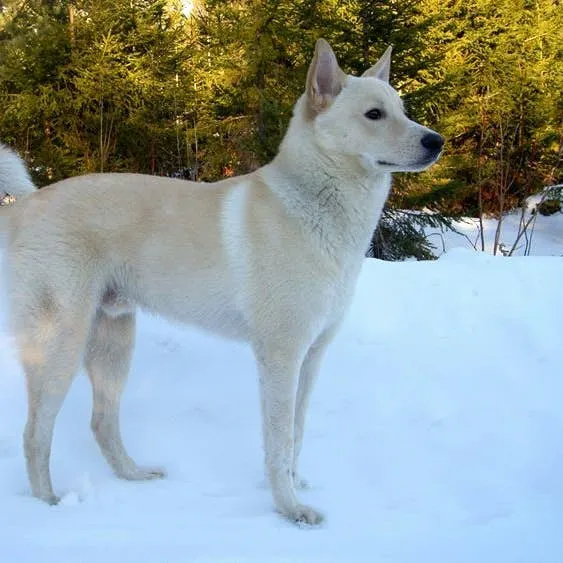
The Canaan dog ranks among the most ancient canine breeds, with roots in the Middle East that reach back to pre-biblical eras. Artistic depictions from approximately 2000 B.C. show dogs that closely resemble today's Canaan dog. In ancient times, the Israelites relied on this breed for camp security and flock management.
After the Romans scattered the Israelites, Canaan dogs were abandoned and eventually settled in the Negev Desert. They survived there in a wild state for many centuries, continuing until the 20th century.
During the 1930s, Dr. Rudolphina Menzel received a request to establish a service dog program for patrolling Jewish settlements and assisting the Israeli army. Menzel selected the Canaan dog because of its ability to endure the harsh desert environment. She proceeded to train and breed these dogs, discovering that they were exceptionally adaptable and responsive to training.
These dogs proved valuable as sentries, messengers, and landmine detectors. Following World War II, Canaan dogs began to be trained and bred as guide dogs for individuals who were blind.
The Canaan is a hardy and self-assured dog that can make an excellent companion for the right person. This article will examine their distinctive traits, their care requirements, and approaches to training them. By the end, you can determine whether this breed suits your lifestyle.
Canaan Dog Traits
Below are the breed's unique characteristics.
Looks and Physical Features
The Canaan dog is a medium-sized, lean breed. Height ranges from 19–24 inches, and weight falls between 35–55 pounds. Their coat is short and harsh, and their tail is bushy. Coat colors include black, cream, tan, or white. White markings are also common. Their muscular physique clearly reflects their heritage as a working dog.
Personality and Disposition
- Intelligent: The Canaan dog is known for learning quickly. This breed is smart and highly trainable.
- Loyal: This is a devoted and obedient breed. They are quite protective and can form strong attachments to their owners.
- Protective: The Canaan dog is highly alert and makes an excellent watchdog. They are watchful, territorial, and wary of strangers. They will bark at anything they perceive as unusual.
- Independent: Having lived independently for 2,000 years, this dog has a self-reliant and independent nature. Training and socialization are necessary to prevent them from becoming the “leader” of your family.
- Energetic: This is an active dog that would do best with active owners. the Canaan can seem like it has limitless energy.
Health Issues to Watch
The Canaan dog is generally a healthy breed. Here are some conditions to monitor.
- Hip dysplasia: This condition involves the hip joint. It typically affects medium and large dogs.
- Elbow dysplasia: This is an orthopedic problem affecting the front legs. Physical therapy may be necessary to alleviate this problem.
- Luxating patella: This occurs when the kneecap becomes dislocated.
- Hyperthyroidism: This is an imbalance of thyroid hormone levels. Symptoms can include increased thirst, vomiting, and constipation.
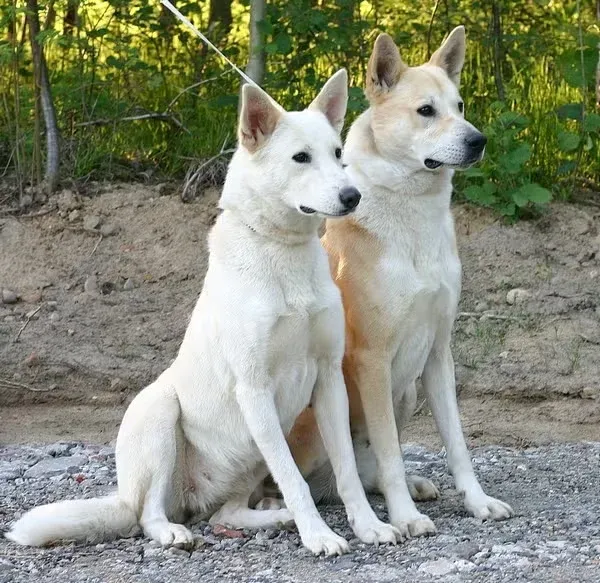
The Canaan dog has a short coat that needs minimal brushing.
Samorodokhanaana, CC-BY-SA-3.0, via Wikimedia Commons
How to Care for a Canaan Dog
Here is how you should care for your Canaan dog.
Diet and Nutrition
- Offer high-quality food: Your pet should eat quality dog food, which can be commercial food or homemade foods. Be sure to consult your vet before preparing your dog’s food at home. Be sure to offer a diet that is appropriate for their age.
- Offer protein: Be sure their diet includes animal-based protein. This will help with their muscle development.
- Avoid overfeeding: Your dog should not have constant access to food. This could lead to overeating and potential obesity. Stick to a regular feeding time.
- Have water available: Contrary to food, your dog should have constant access to fresh drinking water. It is important that they stay hydrated.
Grooming and Hygiene
- Coat care: Canaan dogs have a double coat; they have a harsh outer coat and a softer undercoat. Regular brushing will help prevent matting and remove loose hair. This breed does shed seasonly, so you will need to brush more frequently during this period.
- Bathing: This dog needs less bathing than other active breeds. Too much bathing can remove the natural oils of their coat.
- Ear cleaning: Regular cleaning and inspections can help prevent ear infections.
- Dental care: Use dental chews or toys to help with dental health.
- Nail care: Nails should be regularly trimmed if they are not wearing down naturally. Long nails can cause issues with walking.
Exercise Requirements
- Daily walks: Canaan dogs are active and need a moderate amount exercise. They will need a daily outing to stay happy.
- Dog sports: This breed does well in dog sports like tracking and nose work. They enjoy any activity that stimulates their herding instincts.
- Mental stimulation: Give your dog problem-solving toys. This will keep them mentally stimulated.
Training a Canaan Dog
Here how you should go about training your Canaan dog.
Foundational Obedience
- Start early: You want to start training your dog early. This will help prevent them from having undesirable behavior as adults.
- Use positive reinforcement: Use treats and rewards to motivate desired actions and behaviors.
- Use consistency: Be consistent with your commands. Your dog will learn quicker with structured training sessions.
- Begin with basic commands: Start with simple commands like sit, stay, and down. This will lay the foundation for more advanced commands.
- Use short sessions: Short training sessions can yield the best results. Be consistent and frequent with your sessions.
Socialization
- Expose to different environments: Introduce your dog to new people and environments. This will make them comfortable in new situations.
- Handling exercises: Use handling exercises to get your dog comfortable to things like grooming and check-ups.
- Socialize with other dogs: Have your puppy engage with other dogs under supervision. This can help prevent aggressions issues later in life.
Advanced Training and Activities
- Agility training: The Canaan dog enjoys agility activities. You can set up a course with jumps, tunnels, and poles.
- Advanced commands: Once your Canaan has mastered basic commands, you can go to off-leash training and more complex commands.
- Nose work: With their strong sense of smell, these dogs can do exercises where they locate scents.
Thanks to their affectionate, loyal, and protective nature, the Canaan dog can be an excellent family companion. They can be adaptable to many different living situations. They have a strong sense of territory and self-preservation, so early socialization will be necessary to make them comfortable around new people and dogs. The Canaan dog will also need daily exercise.
If you are looking for an active canine of protective pet, then the Canaan dog is the one for you. While they may not be the best breed for novice dog owners, they can be a rewarding pet for those that can meet their needs.
Canaan Dog FAQs
Here are some common questions about Canaan dogs.
Where do Canaan dogs originate from?
This breed originated in the Middle East, where they were used for herding and guarding livestock.
Are Canaan dogs friendly with children and other animals?
Canaan dogs can do well with children and other animals if they are properly socialized and trained from a young age. All dogs should always be supervised when they’re around young children.
What are some common health concerns for Canaan dogs?
Canaan dogs may be prone to hip dysplasia, eye problems, and allergies. It is important to make regular visits to your veterinarian to catch any issues early on.
How much exercise do Canaan dogs need?
These are active and energetic dogs that require daily of exercise. Walks and playtime are essential for their physical and mental well-being.
What is the best way to train a Canaan dog?
For best results, use consistency, positive reinforcement, and early socialization. Working with a professional trainer or attending obedience classes can also be helpful.
Sources
- American Kennel Club
- Daily Paws
- The Spruce Pets
- Dogtime