American Foxhound: Tracing the Heritage and Traits of a Distinguished Hound
Sage Bennett
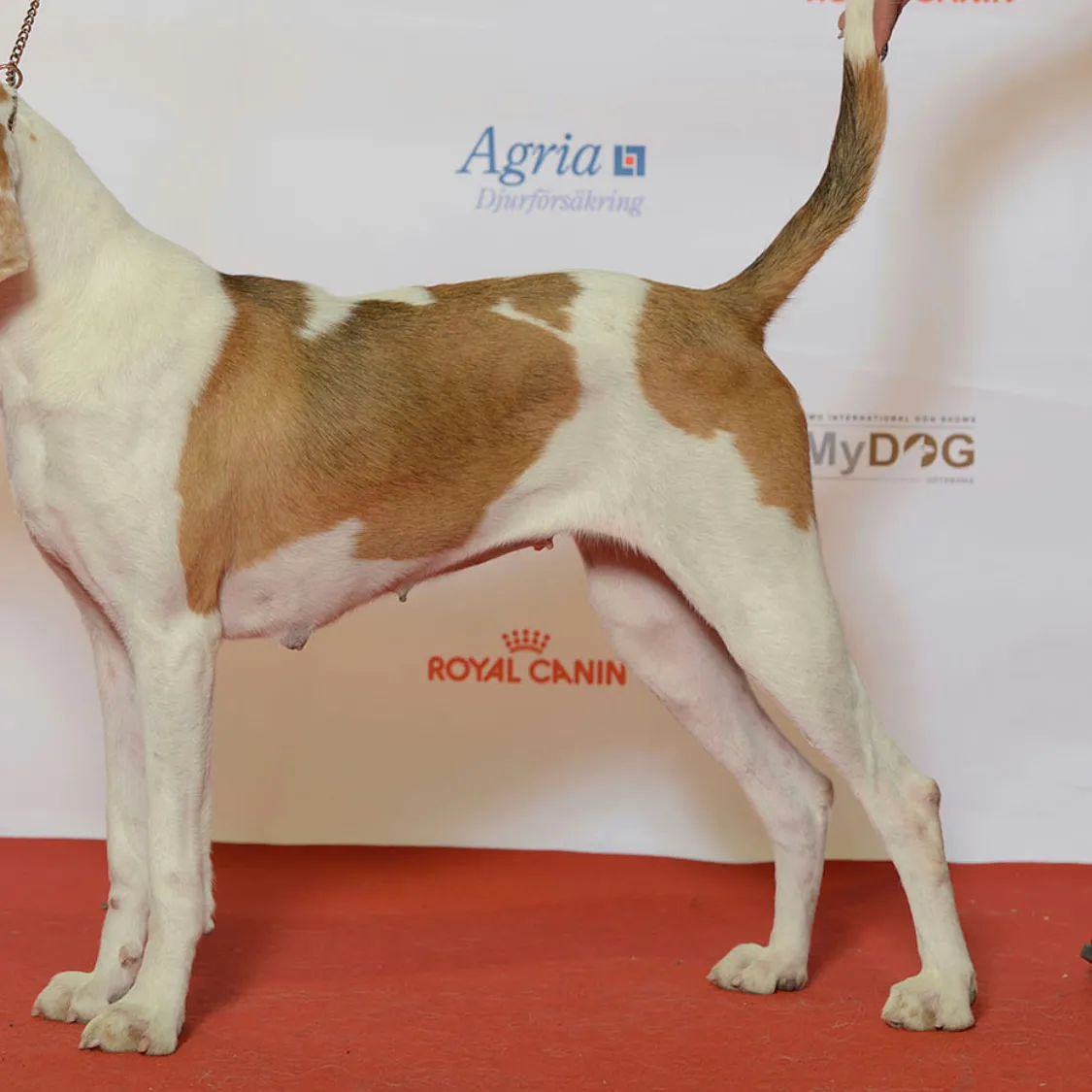
An Engaging Hound
If you're in search of a dog that's easy to care for, enjoyable to walk, and fits well in a family, the American Foxhound could be an excellent match. This breed is known for its relaxed disposition and ability to win people over, making it a good fit for households with other pets and individuals who enjoy park outings.
While acquiring one may involve some expense, the investment is often justified by their pleasant temperament, enthusiasm for play and activities, and lower likelihood of aggression—especially for those seeking a family companion.
Nevertheless, before bringing this breed into your home, it's crucial to recognize the commitment involved. Early training is essential, along with ample playtime and long walks. Additionally, there are potential health concerns to be aware of that could emerge later in life.
Origins of the American Foxhound
The breed's development began when Robert Brooke traveled from England to the United States with his family and their hunting dogs. Over time, descendants of these dogs were crossbred with other European hunting breeds, leading to the American Foxhound.
These dogs were initially developed to adapt to the new country's landscape and are often regarded as the first breed to be developed in the United States. The aim was to produce a foxhound that was lighter, faster, and taller.
Interestingly, the American Foxhound is related to the English Foxhound—they are cousins. Despite their kinship, several key differences prevent confusion between the two:
- American Foxhounds tend to be taller and lighter than their English relatives;
- English Foxhounds have a more pronounced neck; and
- American Foxhounds have straight, strong front legs, whereas English Foxhounds have notably powerful hindquarters.
Additional distinctions that are less obvious include:
- American Foxhounds are more susceptible to certain diseases and genetic conditions;
- American Foxhounds possess a more acute sense of smell; and
- English Foxhounds are slower than their American counterparts.
Role of the Founding Fathers
Interestingly, George Washington was instrumental in the breed's development. He was a well-known breeder of American Foxhounds and maintained a pack at his Mount Vernon estate in Virginia.
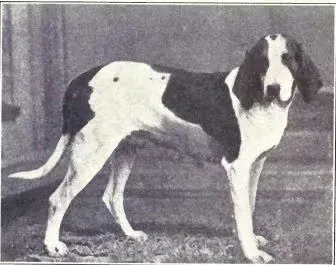
Geroge Washington was known to play a key role in breeding the American Foxhound.
not specified (except those with signature on image), Public domain, via Wikimedia Commons
Interesting Tidbit
Did you know that the American Foxhound is the state dog of Virginia?
Before developing American Foxhounds, George Washington kept a pack of Brooke Hounds, which were descendants of English Foxhounds brought over by Robert Brooke. Later, Marquis de Lafayette, a French aristocrat and military figure, gave Washington French Foxhounds. By crossing the two breeds, Washington is credited with creating the American Foxhound, which he bred to excel in intelligence, speed, and senses.
A Skilled Hunter and Tracker
This breed was developed to be exceptional in intelligence, scenting ability, and speed. It was also bred to master the American landscape, as opposed to Britain's. The American Foxhound is already noted for its superior sense of smell, and due to their lighter build, they are also faster than their English cousins.
Like the English Foxhound, this dog has a strong prey drive. When Washington owned his American Foxhounds, they were used alongside horses on plantations, and this hound was often favored over others in Virginia for both hunting and companionship.
The Ideal Hound
George Washington named his own American Foxhounds: Tipsy, Tipler, Sweet Lips, Chloe, Searcher, and Drunkard.
While American Foxhounds were historically known for hunting, today they are categorized into four groups:
- Field-Trial Hounds, recognized for their competitive nature and speed;
- Fox Hunting Hounds, known for working slowly and their distinctive, musical howl;
- Trail Hounds, known for racing and hunting artificial lures; and
- Pack Hounds, known for following their owner on horseback in large packs.
Generally, these hounds are independent hunters, and if you wish to alter their hunting behaviors, training is necessary. However, be aware that these dogs can be stubborn, and changing their temperament requires considerable patience.
The American Foxhound is one of the American Kennel Club's (AKC) oldest and rarest breeds and was officially recognized by the AKC in 1886.
Physical Traits
Average height, size, and weight differ between females and males. Typically, males stand 22–25 inches tall, while females stand 21–24 inches. In terms of weight, males can weigh between 65 and 70 pounds, and females between 60 and 65 pounds.
This breed is easily identified by its multicolored coat, which may include combinations such as black, white, and tan; brown, white, and tan; or black, white, and brown. Their coats are medium-length with a harsh texture.
Grooming Needs
Their attractive coats have a smooth yet harsh texture that shields them from underbrush during hunts. However, grooming is not a burden; the American Foxhound's coat is simple to maintain. You only need:
- a bristle brush,
- a grooming mitt, or
- a hound glove.
Brush your dog once a week to remove loose fur, and that should suffice. Bathing is not required unless they become especially dirty from outdoor activities. Occasional nail trimming is also needed. Overall, they require minimal care.
Dental Care
As with any dog, maintaining good dental hygiene is important. Provide at-home cleanings, and if necessary, take them to a dental professional.
Notable Features
Another distinctive trait is their floppy, droopy ears that hang close to the head. They have black noses and brown or hazel eyes, though these are not necessarily unique to the breed. The most recognizable feature is likely their expressive eyes, which convey a kind of "pleading" and gentle expression.
Their athletic build, suited for hunting and running, is also notable. They have a slightly curved tail and a sleek body.
Temperament and Personality
The American Foxhound is known for its high energy levels, making it ideal for walks, hikes, and plenty of playtime and outdoor activities. If you prefer a sedentary lifestyle, this breed is not for you. They need active owners who will take them on adventures.
Due to their high energy, a home where they can roam and play is best. A large yard is beneficial, but it must be securely fenced, as American Foxhounds have a strong prey drive and will chase anything they catch scent of.
Did You Know?
Once an American Foxhound picks up a scent, recalling them can be extremely difficult.
Friendly to All
This breed is very friendly and tends to be mildly open to strangers and new faces. With their cute eyes and goofy personalities, they easily charm people. They thrive on affection and take a liking to those who offer pets and cuddles.
As mentioned, this dog is friendly towards strangers who offer affection. The same applies to family members who shower them with love. Few breeds can match the American Foxhound's devotion to family. The phrase "Man's best friend" perfectly describes this breed, as they are revered for their loyalty and unwavering dedication to their owners.
Not surprisingly, this breed is also excellent with children. The noise and clinginess of children do not bother them; they enjoy the love children give. There is little to no concern for aggression toward children.
Compatibility with Other Animals
Generally, American Foxhounds are friendly towards other dogs and animals, as they are not prone to aggression. If you have other dogs, this breed will enjoy having playmates. For smaller animals like cats, proper introductions are necessary.
However, it may be challenging for this dog to be around anything smaller than a cat due to its high prey drive and hunting instinct. If you have small pets, you might want to reconsider adopting this breed or find ways to keep them separated.
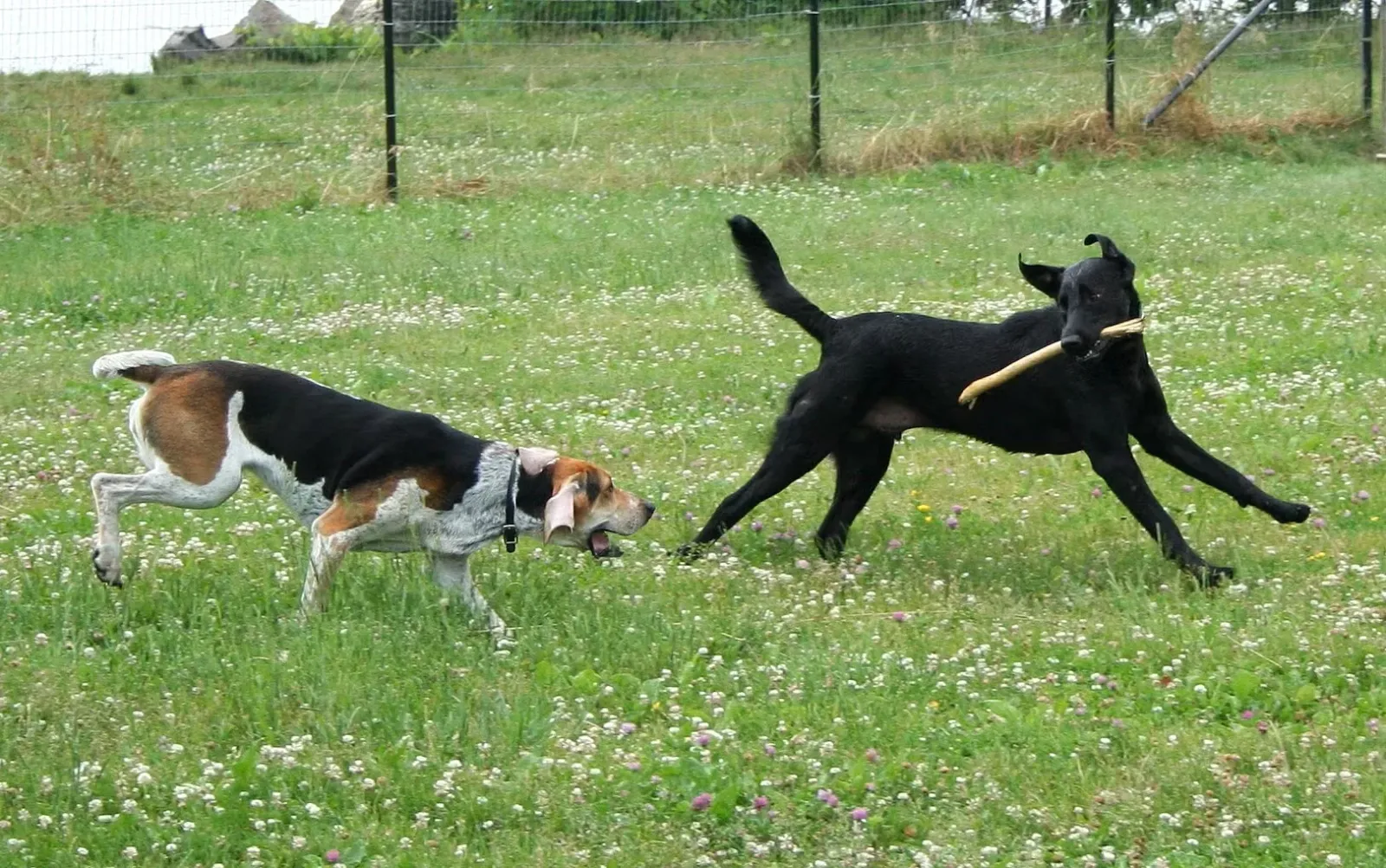
This breed is not typically prone to aggression.
Peter Wadsworth, CC BY 2.0
Health and Lifespan
Health Conditions
While American Foxhounds are generally healthy compared to breeds with higher health risks, some common issues may arise. Learn about these concerns and take preventative measures:
- Hip dysplasia is a common skeletal issue; it involves deterioration due to a ball and socket joint that doesn't develop properly.
- Ear infections are often caused by this breed's long, floppy ears covering their ear canals, trapping moisture and allowing yeast and bacteria to thrive.
- Bloat is linked to the American Foxhound's body shape; they are at higher risk for gastric dilatation-volvulus (GDV). Gas stretches the stomach, causing it to twist. This can be life-threatening, so preventative measures are crucial.
Preventative Care
Regular veterinary visits can help prevent health issues from arising or worsening. For example, to prevent hip dysplasia (though not always possible), feed your dog a nutritious diet to keep joints healthy and avoid obesity, a common factor in hip dysplasia.
Ear infections can be managed by monitoring your dog and seeing the vet when needed. Watch for signs like scratching at the head, shaking it, foul odor from the ears, or pain when touched, and take them to the vet immediately. Monitoring can prevent deafness.
For bloat, prevent it by using a slow feeder to stop your dog from eating too fast or by giving smaller meals. There is also a procedure your vet can provide if the condition recurs.
With these preventative measures—monitoring your dog's actions and feeding them appropriately—your American Foxhound could live to be 13 years, which is average for this breed.
Training and Exercise
Early Training
Because this dog was bred to hunt prey, early socialization is important, starting as soon as possible. The process can be challenging, but with patience and effort, you can socialize your foxhound with other non-canine pets, such as when they are a pup. Trying to socialize an older, experienced hunting hound would be too risky for smaller pets.
For instance, when socializing your hound with a cat, choose a cat that is already experienced with dogs. Start by finding something with the cat's scent—like a bed—and let your dog sniff it to become familiar. Then, hold the cat and dog at a distance so your dog can recognize the scent. Holding them prevents aggression or excitement that might scare the cat.
Repeat this over time, gradually closing the gap and eventually allowing them to sniff each other. Only allow them in the same room if they appear calm in each other's presence.
You can use this process for other small pets, but always supervise both animals during the process.
Overall, American Foxhounds can be difficult to train due to their excellent sense of smell. Sometimes their hunting instinct and high prey drive override their desire to obey. This is likely due to their breeding.
Tips for Effective Training
To encourage positive behavior, use positive reinforcement, such as treats or praise. By offering praise or treats after successful commands, you increase the frequency of desired behaviors.
Furthermore, dogs train best with consistency. Keeping things consistent shows your dog what you expect, providing clarity. Consistency also reinforces habits or behaviors, helping to internalize the training.
Exercise Requirements
For daily activity, walk or exercise your dog for at least one hour minimum. Two hours is ideal, as this foxhound was bred primarily for hunting prey and is full of energy. If you enjoy hiking or long walks, this dog is for you. If you prefer lounging on the couch and throwing a ball, this breed is not for you.
Off-leash play is strongly discouraged unless your American Foxhound is in a secure, fenced-in area, such as your yard or a gated dog park. This is because this breed is known to chase small animals that appear as prey. When walking, always maintain a steady hold and ensure they are properly leashed for this reason.
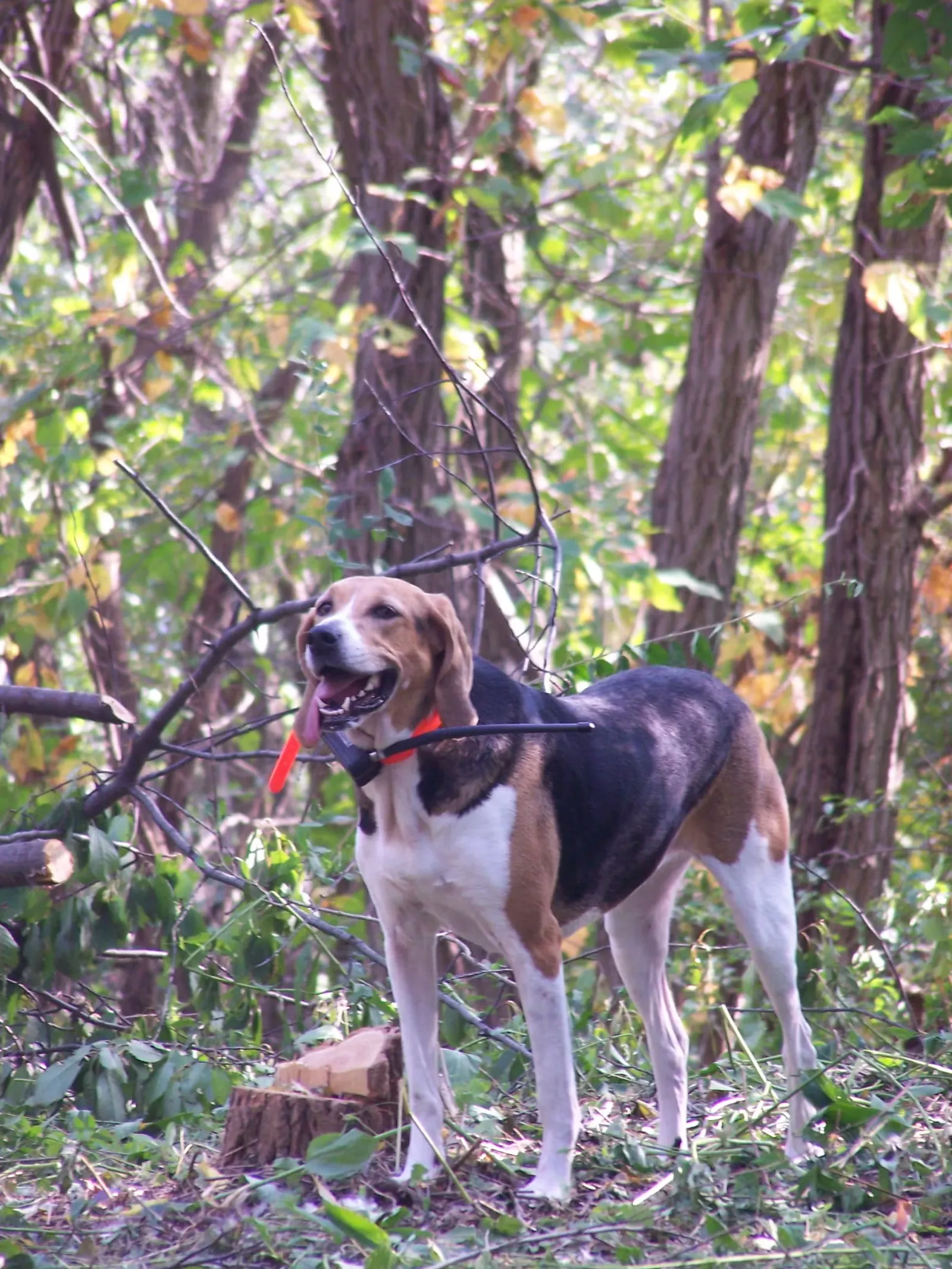
Due to their high energy levels, this breed needs plenty of exercise.
Peepe
Finding an American Foxhound
Adoption
Although some may be nervous about adopting a true American Foxhound, there are reputable websites to find breeders or adopt your own. Here are some options:
- Petfinder (includes mixed-breeds)
- Foxhound Rescue (includes all types of foxhounds)
- AKC Marketplace (supports reputable breeders)
As always, do thorough research before adopting. And always be wary of scams.
How to Know if a Breeder Is Reputable
When adopting, everyone wants a reputable breeder. Look for these signs:
- Is the breeder transparent about medical screenings and visits?
- Will the breeder let you meet the litter?
- How do the puppies look? Healthy? Are their cages and kennels clean?
- Is the breeder knowledgeable about the breed?
- Most importantly, is the breeder curious about you and where the pups will live?
These indicate a trustworthy breeder. If the breeder isn't open, transparent, and doesn't care to know you, you might have a sketchy breeder.
To find rescue organizations near you, look up nearby organizations and research them thoroughly before applying to meet or adopt a dog. The adoption process varies by organization, but expect questions about housing, finances, work situation, other pets, and previous pets.
FAQs
1. What is an American Foxhound?
The American Foxhound is the cousin of the English Foxhound. Owned and bred by George Washington, this breed is the oldest and rarest of American dog breeds, known for their speed, endurance, and work ethic—a true hunting dog.
2. What does an American Foxhound look like?
This breed is distinct from its foxhound cousins; it has a longish, dome-shaped skull with low-hanging ears and a pleading gaze. They have muscular shoulders, deep chests, and straight front legs, unlike the English Foxhound. They weigh 60–70 pounds, depending on size and sex.
3. What kind of temperament does this dog breed have?
Around strangers and family, this dog is generally friendly, doing well as a family dog and not expressing aggression towards children. They are affectionate and kind, and quite intelligent. As long as they get enough exercise, they will be happy in any household.
4. How much exercise does this dog breed need?
To properly care for this breed, provide at least an hour of exercise each day, but more is encouraged. Exercises include walking and playing in a fenced-in yard.
5. How much grooming does an American Foxhound need?
Minimal grooming is required. Brush your American Foxhound once a week to remove dead fur and prevent matting.
6. Are there any health issues associated with this breed?
Although generally healthy, some health concerns include (but are not limited to):
- Hip dysplasia
- Ear infections
- Bloat
As with any breed, regular vet visits and medical screenings are encouraged.
7. Are there any special dietary requirements for this breed?
Experts recommend feeding foods high in protein and healthy fats, along with vitamins, minerals, and fiber from fruits and vegetables. Avoid overfeeding, especially for dogs prone to obesity.
8. Are they good with children?
This breed is typically good with children due to their friendly nature. They are not prone to aggression, but socialization from a young age is best. Supervision is still recommended when with children.
9. Are they easy to train?
Thanks to their intelligence, they are easy to train, but keep training consistent and offer positive reinforcement. Be patient and praise them to encourage desired behaviors.
10. Where can I find more information about owning an American foxhound?
There are many online resources, including (but not limited to):
- AKC (American Kennel Club)
- Wisdom Panel (Dog Breeds)
- World Animal Foundation
- Wag Walking
- AZ Animals
- Just Fun Facts
A Loyal and Affectionate Companion
The energetic American Foxhound is worth adopting if you love exercise, hiking, or playing. With proper care and regular screenings, this breed can live 13 years or more. Always play in secure, fenced-in areas and never let your dog off leash in public.
As a friendly companion, families will love this loyal canine, and other animals will too with proper time and training in a patient household. Remember to research when adopting and avoid any red flags.
Overall, the American Foxhound is one of the best American dog breeds to own. Enjoy your new companion.
Sources
- American Foxhound Breed: Characteristics, Care & Photos | BeChewy Want to learn more about the high-energy fox hunting breed George Washington helped develop? Learn more about this pup in our complete American Foxhound guide.
- American Foxhound Facts – Wisdom Panel™ Dog Breeds Looking for American Foxhound facts? View the breed's average size, weight, temperament, life expectancy, genetic health risks, and more now.
- American Foxhound Dog Breed – Everything You Need To Know! In this article, we take a look at the many facets of the American Foxhound & traits that have made them the breed of dog they are today.
- Is the American Foxhound Right for You? Lovers of the American Foxhound could rave all day about these sweet, easygoing hounds, yet even the most ardent fan will tell you that …
- How to Find a Responsible Dog Breeder The Humane Society of the United States encourages you to consider adoption from a shelter or rescue. If you choose to purchase a dog from a breeder, the following guidelines will help you make sure your dog comes from a responsible breeder.
- American Foxhound Dog Breed Information Right breed for you? American Foxhound information including personality, history, grooming, pictures, videos, and the AKC breed standard.