Meet the 10 Most Towering Dog Breeds, Backed by Vet Expertise
Parker Lee
Is it possible to have too much of a good thing? That depends on the context, but for many dog lovers, when it comes to large canines, the answer is a resounding no—there's simply more to adore. After all, several of the most cherished dog breeds are known as gentle giants.
While there are numerous large dog breeds, we decided to highlight the very tallest—ten of the tallest dog breeds globally, to be precise. In a height contest, these massive canines always come out on top. If you're wondering which breeds make the cut and are thinking about welcoming one into your home, continue reading to learn more!
Naturally, a dog's height doesn't reveal anything about its character, so while these long-legged dogs are impressive to behold, if you're curious about what it's like to care for a towering dog, we have the information. To delve deeper, we consulted Vetster's Dr. Jo Myers, a veterinarian with over 30 years of experience with dogs of all sizes. Here's what she shared about the top 10 tallest dog breeds and their suitability as pets.
10 Tallest Dog Breeds
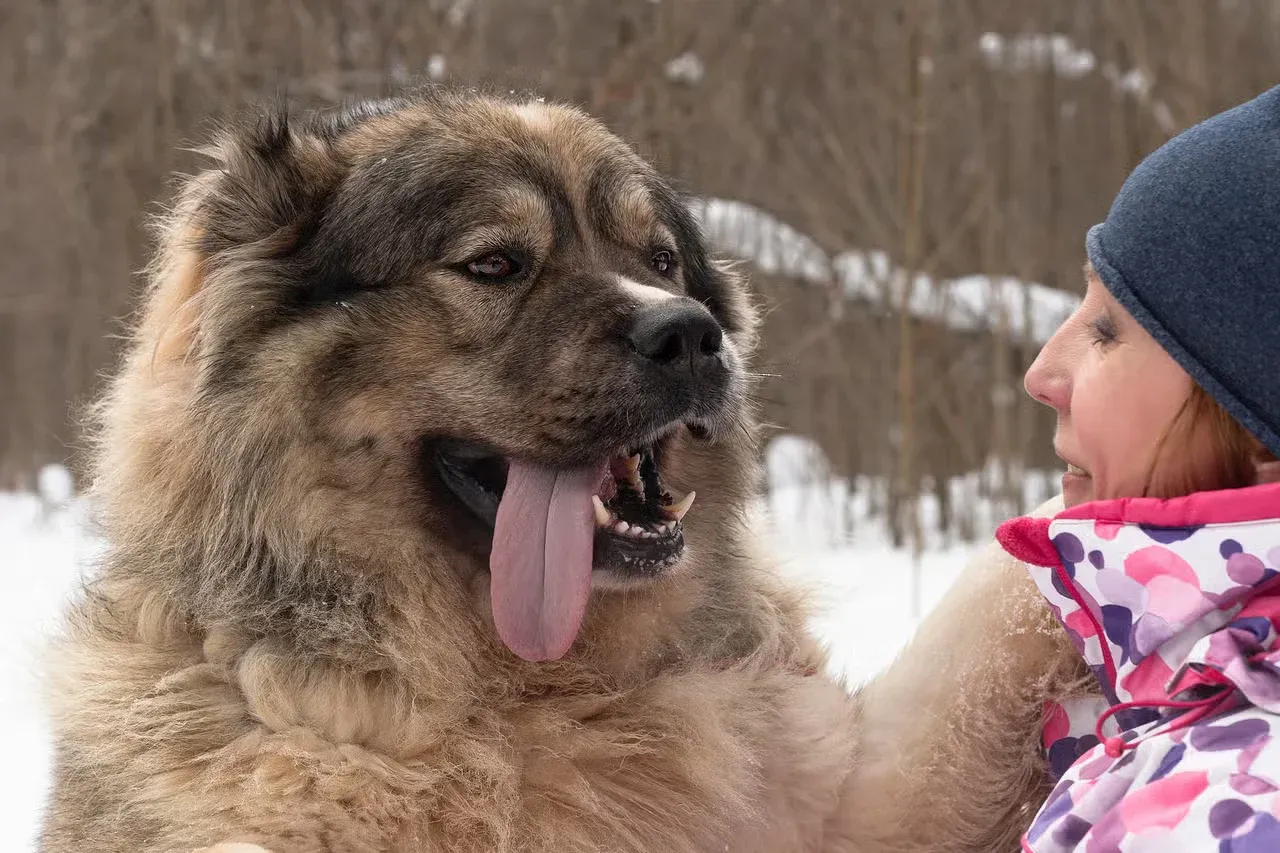 Image via Getty Images/Alexander Gavrilov
Before we explore these 10 breeds, we must share Dr. Myers' important caveat. "One thing I always remind people is that breed descriptions, especially around personality, are generalizations," she says. "They reflect what the breed was historically developed to do, but any individual dog may vary. The best way to choose a dog is not based on appearance or size alone, but on whether your lifestyle matches what the breed of the dog you get was designed to do."
She also emphasizes that anyone seriously considering adopting one of these tall dogs should thoroughly understand the breed's potential health issues. "Sadly, they are often prone to health conditions like heart problems, hip dysplasia, and arthritis, and in many cases, these conditions can lead to reduced life spans," she notes. "Adopters must be informed before they make the choice to bring one of these long-limbed canines home, so that they can determine whether or not they can provide the level of care that their dog may one day need. The good news is that being informed about the risks and staying vigilant about common health issues that may arise can help you catch and treat these conditions early, giving you many more years of happiness with your dog!"
Great Dane
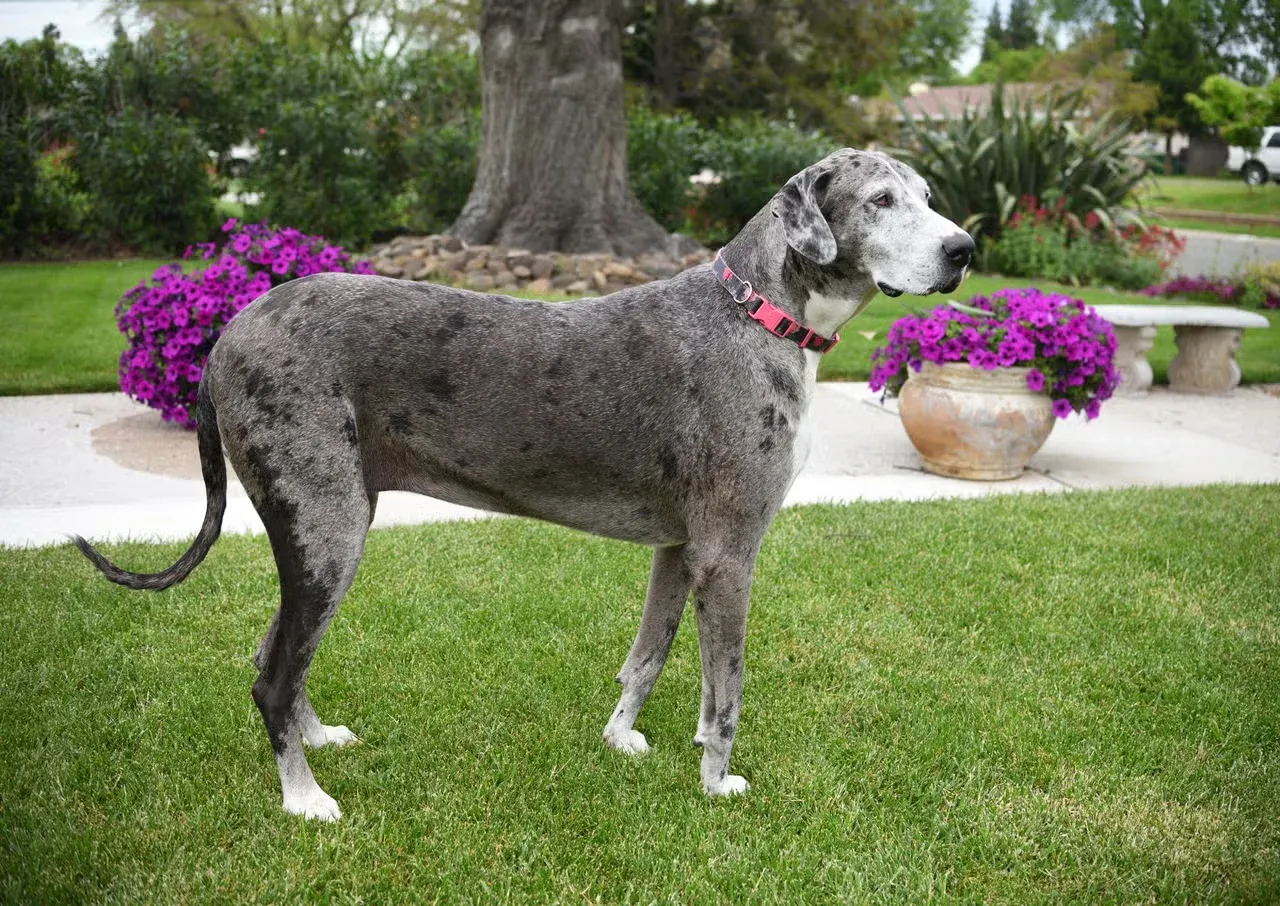
A tall Great Dane in a garden.
Image via Getty Images/Barbara Rich
- Average Height: 28-32″
Often recognized as the breed of Scooby-Doo, Great Danes are just as lovable in reality as in cartoons, which is why they're so adored. "Great Danes were originally developed as hunting and guard dogs, and today people tend to see them as gentle, people-oriented companions," says Dr. Myers. "These tall-statured dogs are often described as 'gentle giants,' which is generally true, but it's still important to remember that their sheer size affects everything from mobility to medical care."
Even though they're among the tallest dog breeds, Great Danes adapt to smaller spaces better than expected. "They often do surprisingly well in homes that aren't huge, as long as they get regular exercise and have space to move safely," Dr. Myers explains. "What matters most is a household that can accommodate their size physically and financially, including food, medication dosing, and orthopedic considerations.
Irish Wolfhound
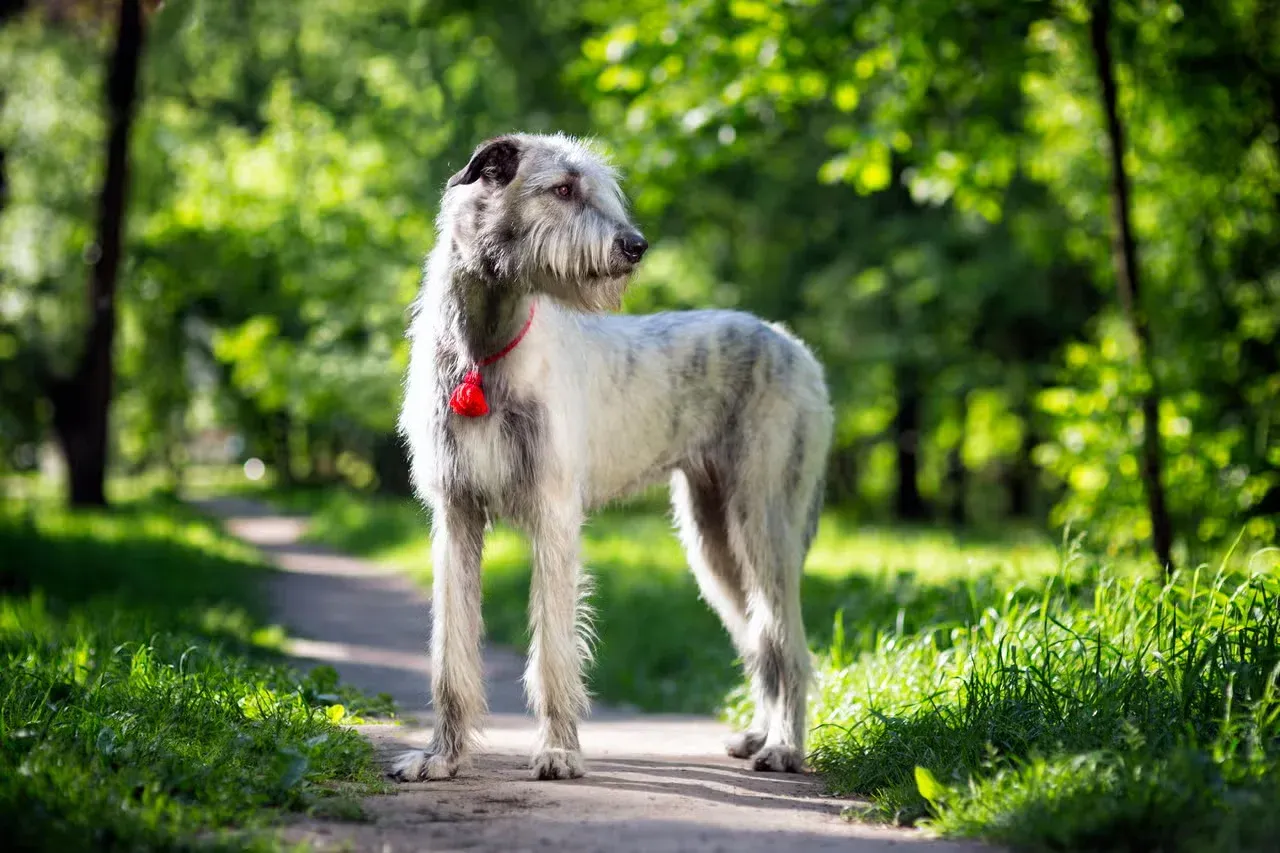
An Irish Wolfhound on a forest path.
Image via Getty Images/Laures
- Average Height: 30-32″
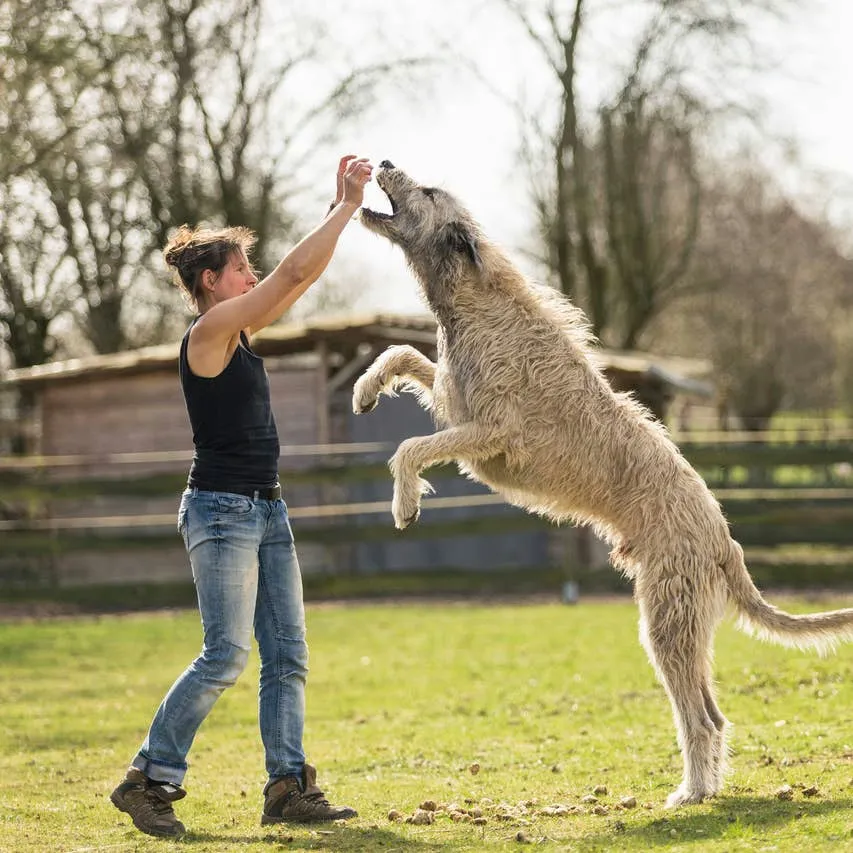
Tall, slender, and sporting a long, shaggy coat of wiry fur, the Irish Wolfhound makes a striking impression. According to Dr. Myers, they are often among the tallest breeds, and their towering size was certainly useful in their original work.
"These dogs were bred for hunting large game like wolves, so they combine height with athleticism," Dr. Myers informs. "They can be calm and somewhat reserved, but they still need appropriate outlets for movement. They tend to do best in homes with space to stretch out and owners who understand large-breed health risks and shorter lifespans. A quieter household with room for moderate exercise is often ideal."
Saint Bernard
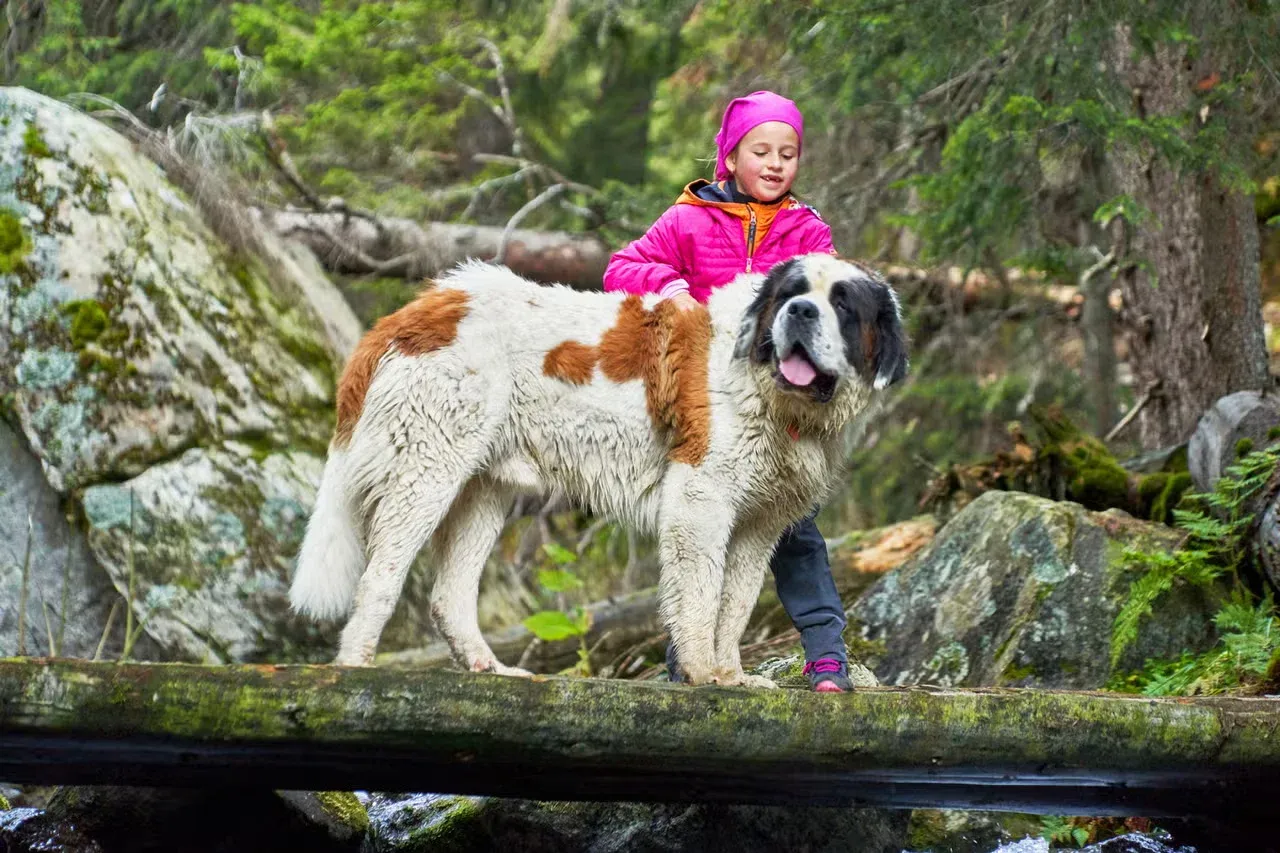
A St. Bernard and a child standing on a log bridge.
Image via Getty Images/Sebastian Condrea
- Average Height: 26-30″
Even if you didn't grow up watching loving fictional depictions of Saint Bernard dogs in movies like Peter Pan or the Beethoven franchise, it's difficult to see a Saint Bernard and think of them as anything other than a gentle giant. So beloved were these tall dogs throughout history that they've come to be regarded as "nanny dogs," due to their calm, patient, and watchful dispositions. "Originally bred for alpine rescue, Saint Bernards are powerful working dogs with a generally calm demeanor," Dr. Myers tells us. "They're often very tolerant, but they are still large, strong animals."
With their "nanny dog" reputation, it comes as no shock that the Saint Bernard is a great family dog breed, though, like all dogs, they require proper socialization and training from the get-go. Dr. Myers recommends Saint Bernards for families looking for a slower-paced, steady companion, noting that they fare best in "cooler climates and homes where shedding, drooling, and space needs are not a concern."
English Mastiff
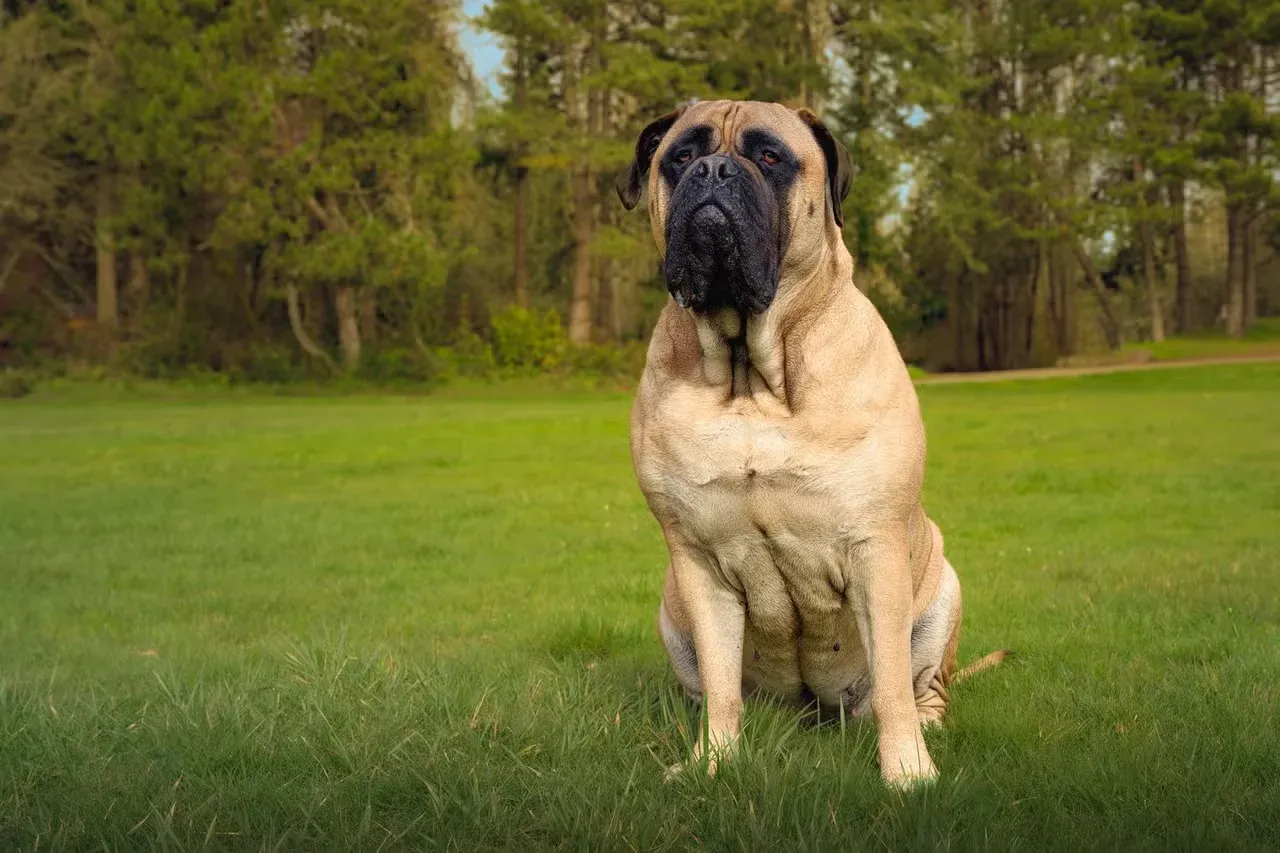
A Mastiff at the park.
Image via Getty Images/Wirestock
- Average Height: 27-30″
Big-boned, wrinkly, and generally good-natured, the English Mastiff is a lovable companion despite their imposing size, which makes them one of the tallest dog species there is. "Mastiffs were bred as guardians, and I often see a naturally protective and observant temperament," notes Dr. Myers. "They're typically low-energy but very powerful."
According to the American Kennel Club, English Mastiffs, on the whole, are affectionate towards family (especially younger children), but due to their protective instincts, they are generally warier around strangers and other dogs. This is where training and consistency are key. "They do best in stable, predictable homes with experienced owners who can manage a giant breed safely," says Dr. Myers. "Space matters less than structure, training, and the ability to handle their size."
Anatolian Shepherd
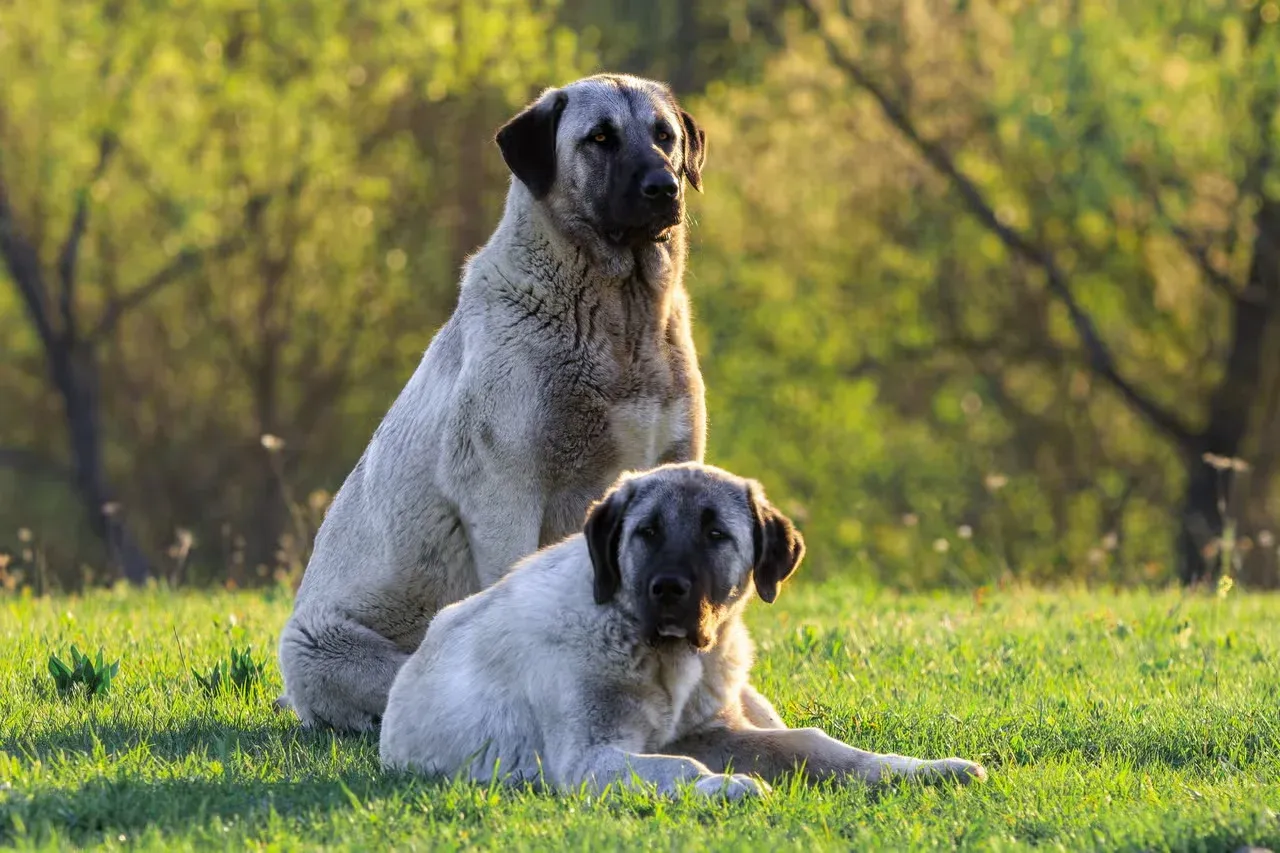
A pair of Kangal (Anatolian Shepherd) dogs relaxing side by side.
Image via Getty Images/gigello
- Average Height: 27-29″
Beneath the soft brindle coat of the Anatolian Shepherd lies a hard-working heart of gold. These long-legged canines were originally bred as livestock guardians in Turkey, a purpose which Dr. Myers tells us is key to understanding their breed: "These dogs are independent, alert, and bred to make decisions on their own."
Though the Anatolian Shepherd is regarded as a highly loyal breed, they tend to be more aloof than affectionate, and always in need of engagement and enrichment. Generally speaking, this is more of a working dog than a traditional family dog.
"They tend to do best in rural or working environments where they have a job," Dr. Myers vouches. "In a typical suburban home, their instincts can be challenging unless carefully managed."
Borzoi
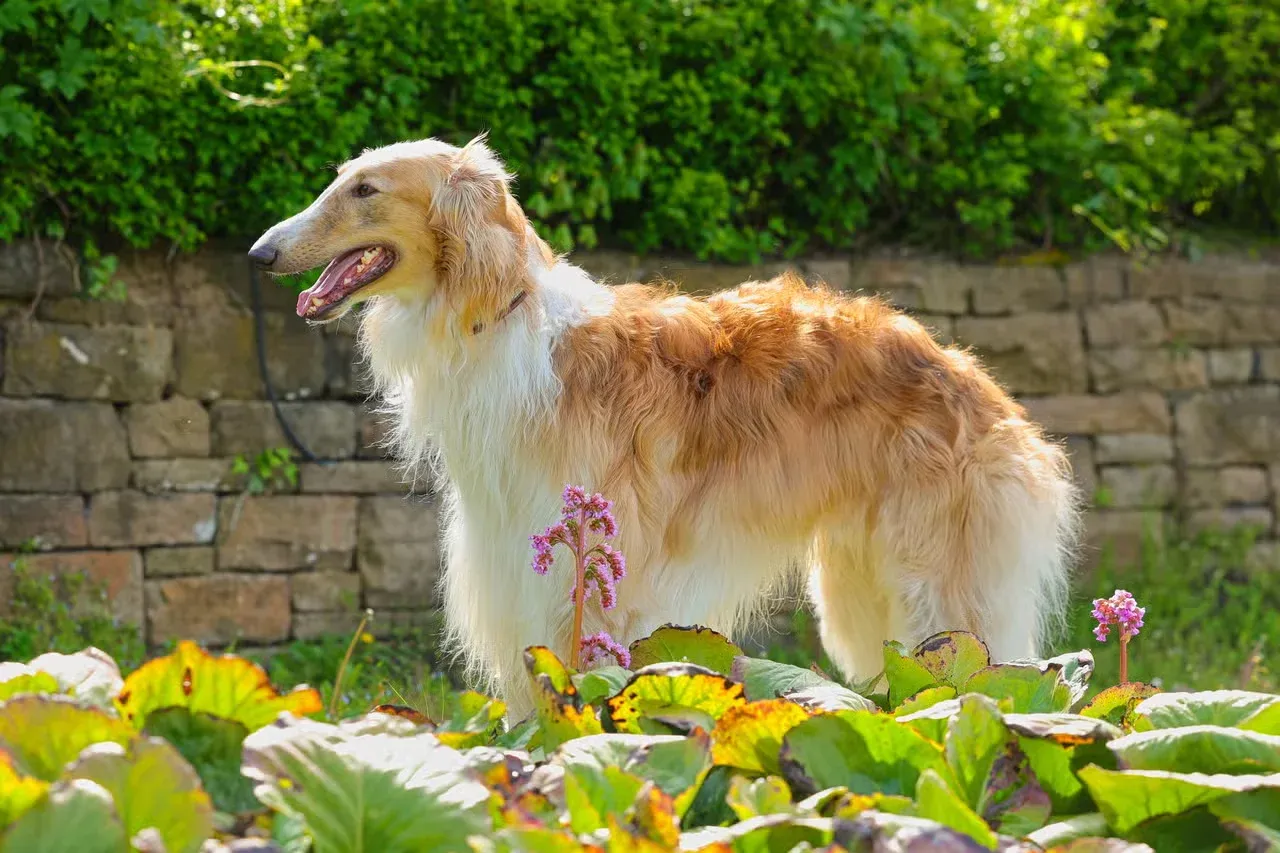
A Borzoi in a sunny garden.
Image via Getty Images/imageBROKER/Hans Kuczka
- Average Height: 26-28″
If you don't mind having a bit of a showboater, then a Borzoi might be perfect for you. Originally bred as hunting dogs for Russian royalty, these towering doggos nowadays are frequently the stars of dog shows with their slender, athletic builds and their long, glamorous, and flowing silken coats. "Borzoi are sighthounds, bred for speed and visual tracking of prey," Dr. Myers explains. "They tend to be quiet and somewhat independent. They often do well in calm homes with opportunities for safe, enclosed exercise. Because of their prey drive, having secure fencing is important if you're a pet parent to this tall dog breed."
Scottish Deerhound
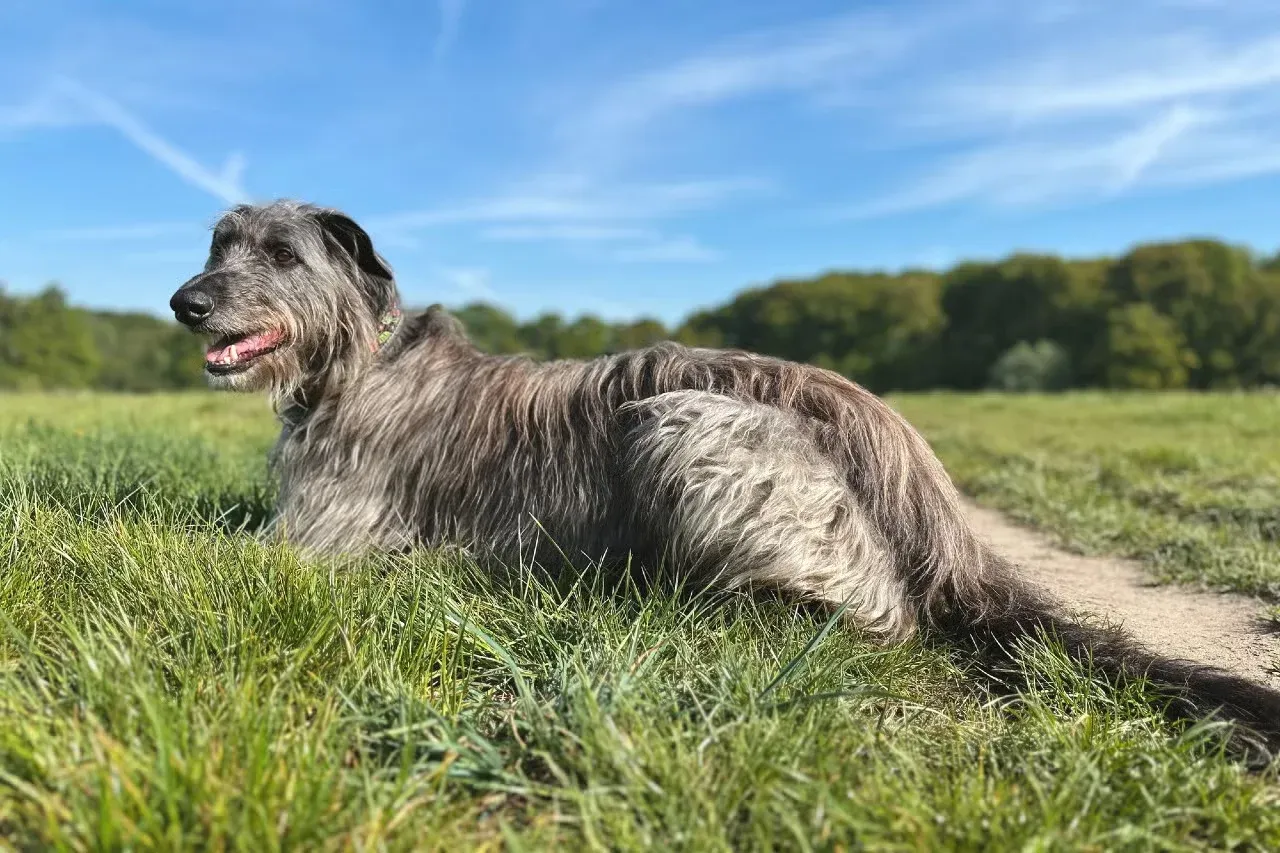
A Scottish Deerhound reclining in the grass.
Image via Getty Images/simonbradfield
- Average Height: 28-32″
Not at all unlike the Irish Wolfhound in appearance or temperament, the Scottish Deerhound is another good tall-framed dog breed for someone looking for a towering pup that's calm yet active. "Similar to the Irish Wolfhound in purpose, these dogs were bred to hunt deer," Dr. Myers clarifies. "They tend to be gentle, laid-back temperament paired with bursts of athleticism. They also do well in homes that offer space and a relatively calm lifestyle, with safe opportunities for exercise."
Greater Swiss Mountain Dog
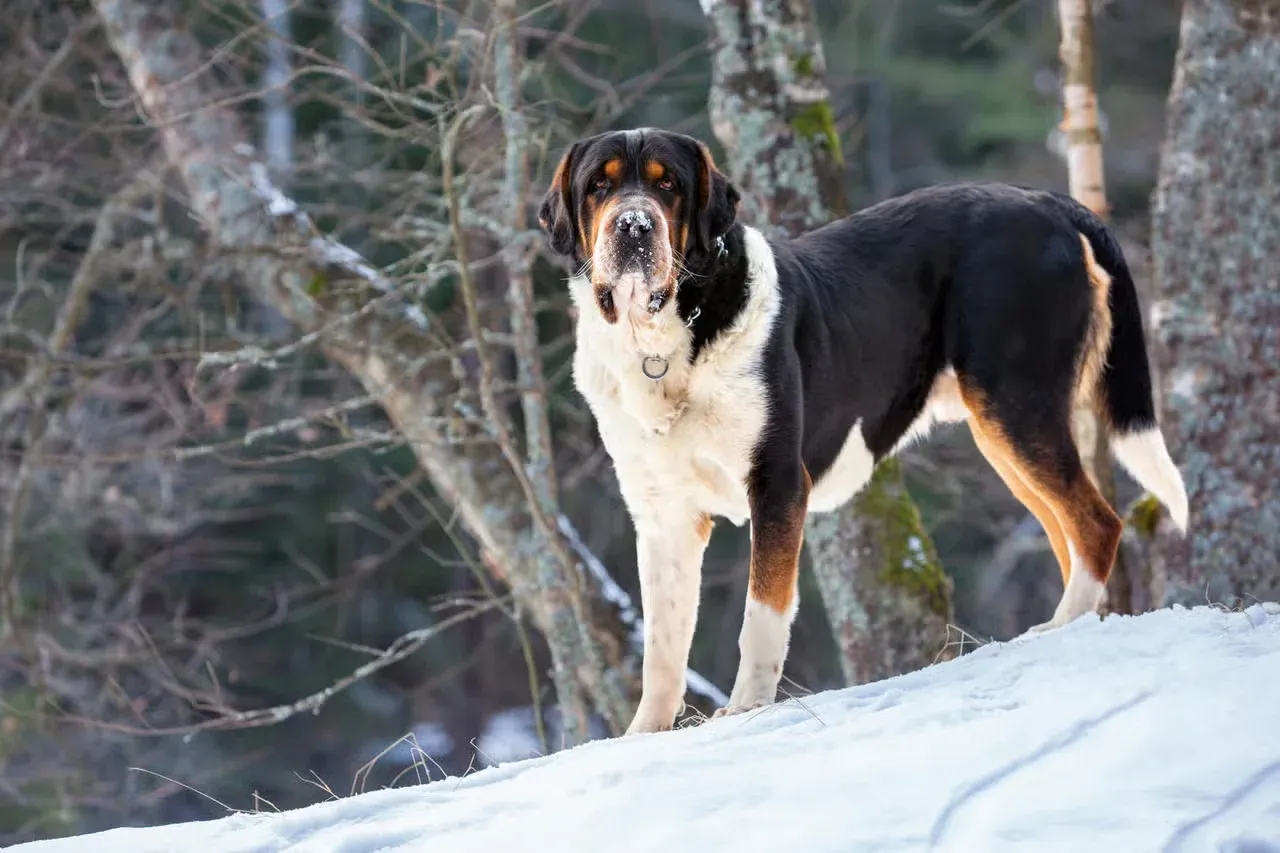
A Greater Swiss Mountain dog standing in the snow.
Image via Getty Images/Bicho_raro
- Average Height: 23.5-28.5″
Speaking of dogs resembling previous dogs on this list, the Greater Swiss Mountain Dog bears more than a passing resemblance to the Saint Bernard, another Swiss breed (albeit with shorter hair than the Saint Bernard). They are quite alike in temperament, too: tough and hard-working, yet sweet and devoted to their loved ones.
"These are working farm dogs, bred for drafting and guarding," Dr. Myers informs. "They're generally steady and people-oriented, but still very strong. They tend to thrive in active households where they have a sense of purpose, whether that's structured exercise or work-like activities."
Caucasian Shepherd Dog
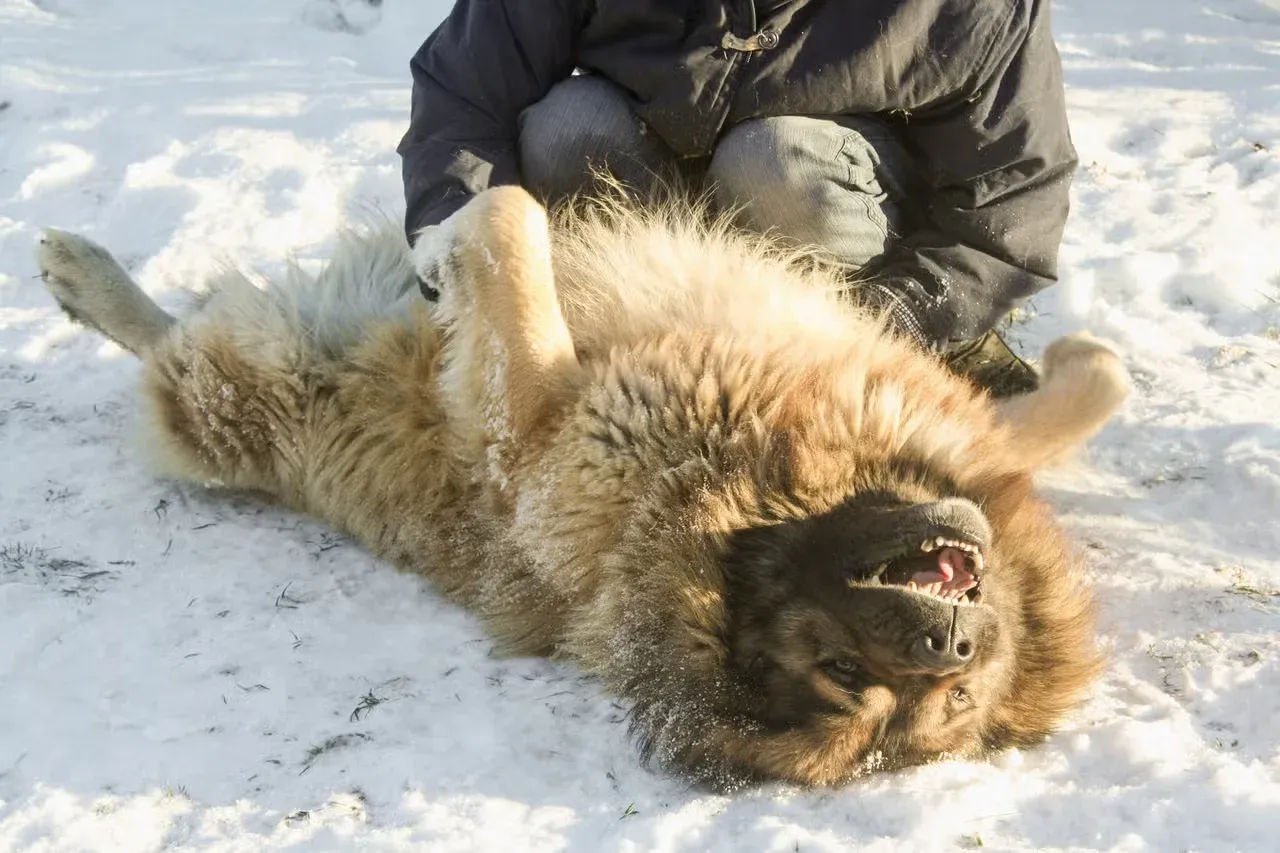
A Caucasian Ovcharka getting belly rubs.
Image via Getty Images/MegaV0lt
- Average Height: 26-30″ or more
Hailing from the alpine terrain of the Caucasus Mountains, the Caucasian Shepherd Dog historically worked alongside shepherds as livestock guardians in the pastures of countries such as Armenia, Georgia, and Azerbaijan. Also known as the Caucasian Ovcharka, the Caucasian Shepherd Dog is built like a bear in canine form, and in their traditional line of work, they're nearly just as intimidating.
"These dogs are extremely protective and independent," says Dr. Myers. "They are best suited to experienced handlers in rural or working environments."
Kuvasz
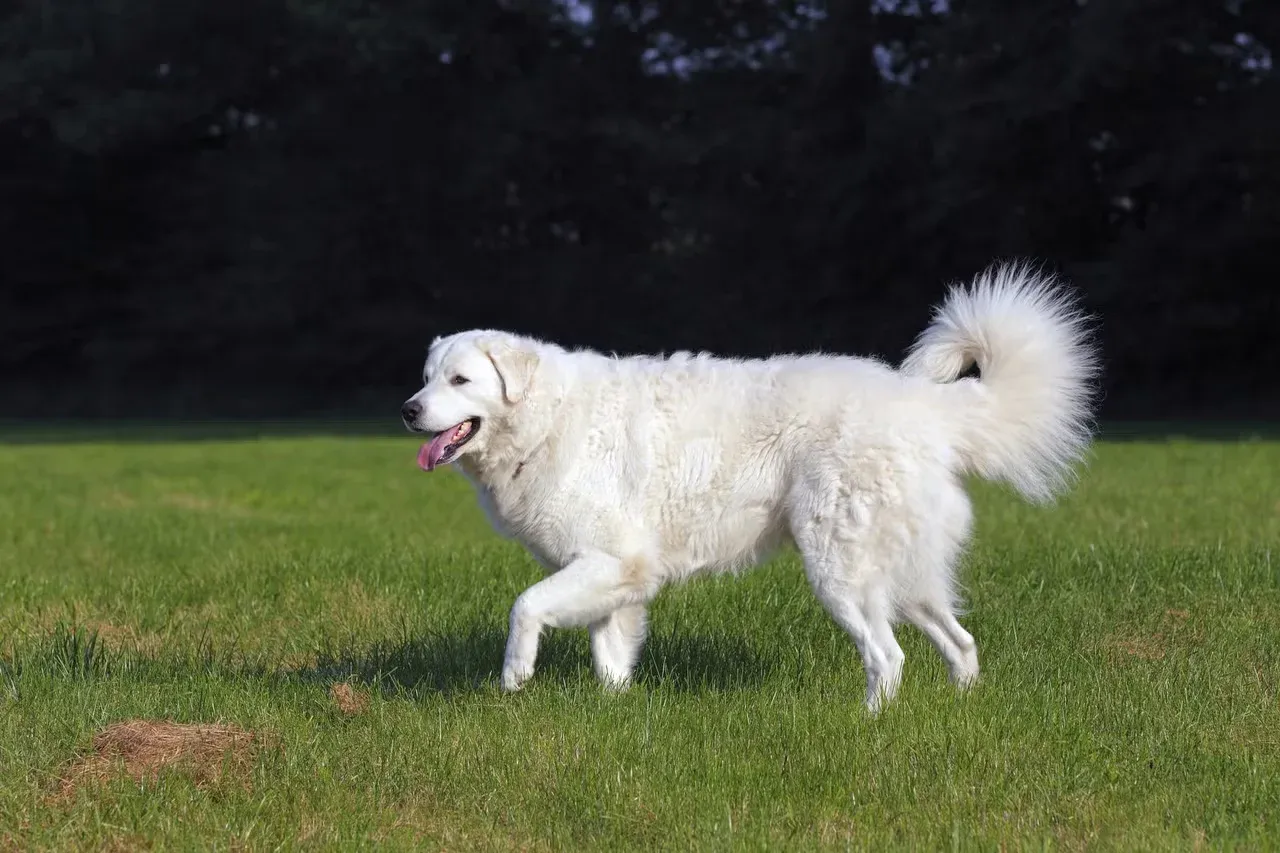
A brilliant white Kuvasz dog.
Image via Getty Images/imageBROKER/Justus de Cuveland
- Average Height: 26-30″
We end our tallest dog list with one final livestock guardian breed, albeit one from Hungary this time—the Kuvasz. Kuvasz Dogs, with their brilliant white coats and strong builds, are as loyal and dependable as they are powerful.
"The Kuvasz is intelligent and independent, with strong protective instincts," says Dr. Myers. "They tend to do best with experienced owners who understand guardian breeds and can provide structure, space, and appropriate training."
Is a Tall Dog Right for You?
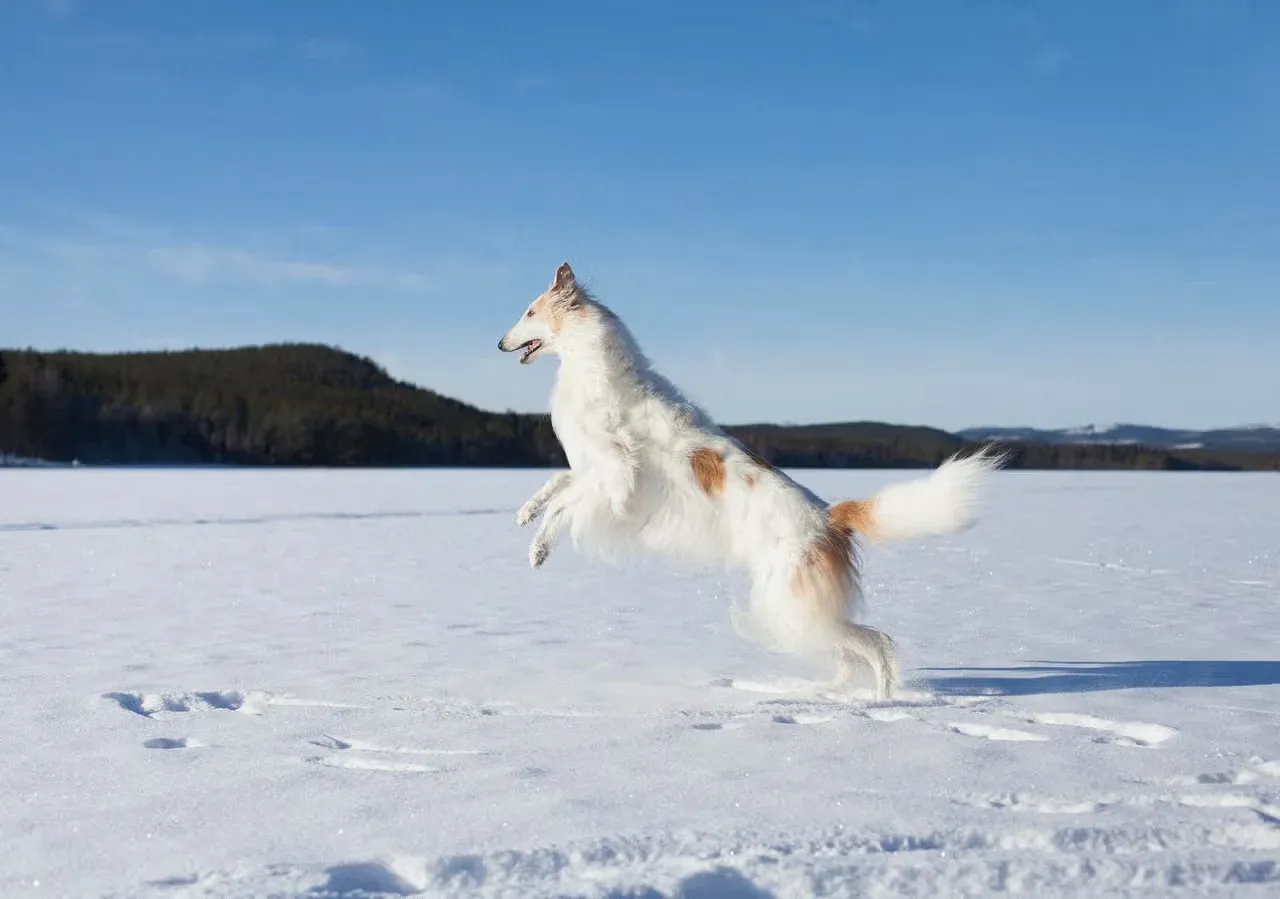
A Borzoi playing in the snow.
Image via Getty Images/Isabella Sthl
When choosing a pet, it's easy to become enamored with what we can see upfront, taking a potential pet at face value without considering what life will be like once we bring them home. With all dog breeds, but especially with large, active ones like these, it's important to take the time to consider whether or not your ideal lifestyles are the right match!
"One of the biggest mistakes I see is people choosing a dog based on how it looks, especially with these very tall breeds," warns Dr. Myers. "In reality, you're much more likely to have a good match if you focus on what the breed was developed to do, and whether your home can support those needs."
And when in doubt, it never hurts to seek the help of an expert—especially before you make the big decision to sign those adoption papers. "I also encourage people to take advantage of veterinary guidance early in the process," Dr. Myers adds. "Virtual care can be a really convenient way to talk through your specific situation, your home, your activity level, even your local climate, and get tailored advice before you bring a dog home. That kind of individualized guidance can make a big difference in setting both the dog and the family up for success."
Source:
Vetster's Dr. Jo Myers, a seasoned veterinarian