Vets Recommend 10 German Shepherd Look-Alikes for Active Families
Dakota Morgan
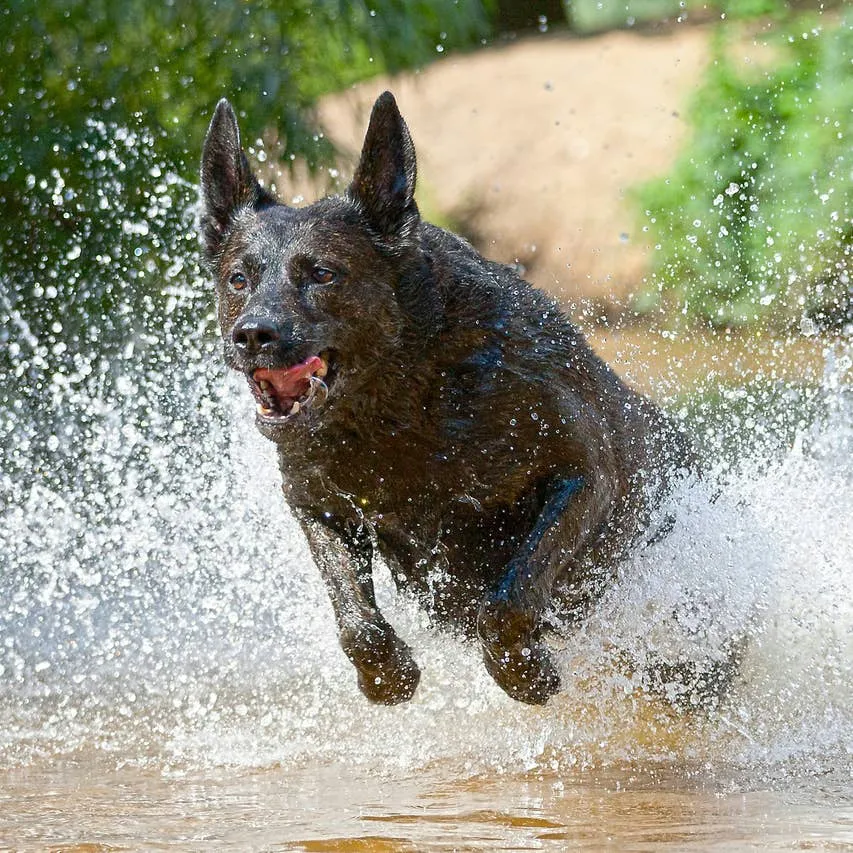
German Shepherds, also called Alsatians, stand out as a truly exceptional breed and rank among the most industrious dogs. Their bravery and determination enable them to excel in perilous roles such as police K9 units and bomb detection teams, while their gentler, affectionate side shines through in therapy work. They are powerful, clever, and although they may not be the most cuddly, their steadfast devotion to their families is beyond question. It's no shock that they are among the most favored dog breeds globally. So, if you're considering a German Shepherd but wonder if other similar breeds might suit you, you're in luck: we've compiled 10 dogs that resemble German Shepherds, based on veterinarians' insights.
Keep in mind that not every dog that looks like a German Shepherd actually is one, but many of these look-alikes do share the traits that make the breed so cherished. If you're a German Shepherd enthusiast eager to explore these types of dogs, you've found the right spot. Some may be familiar from our guide below, and a few might be new to you. Either way, you'll adore them all.
When the time comes to pick a loyal companion to bring home, you can feel confident in your choice, whether you opt for one of these similar breeds or the classic German Shepherd.
10 Dogs That Look Like German Shepherds
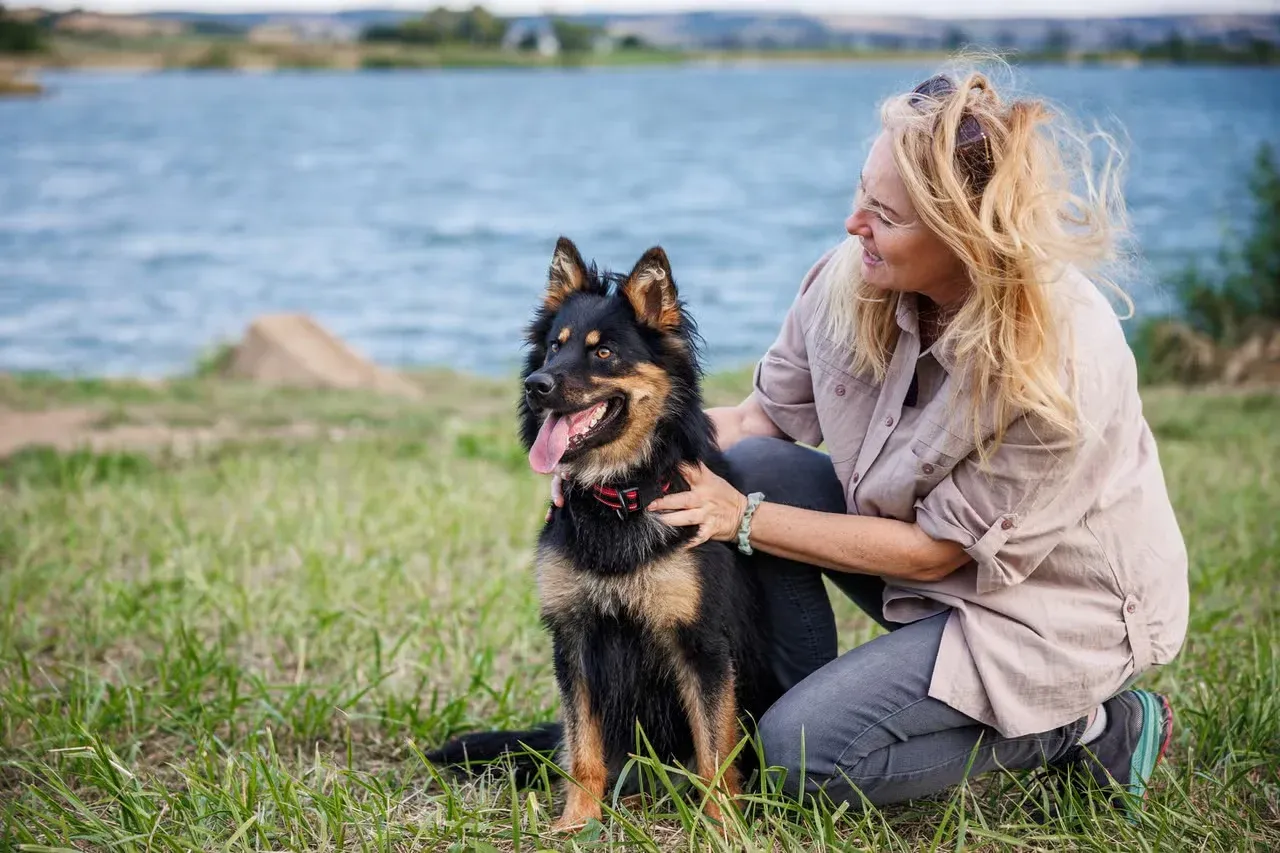
A woman holding her Bohemian Shepherd that looks like a German Shepherd.
Image via Getty Images/Zbynek Pospisil
On this list, you'll see that nearly all these dogs not only resemble German Shepherds in appearance but also share similar working dog backgrounds. While their daily exercise and enrichment needs vary by breed, none are lazy couch potatoes. If you're thinking about adopting any of these German Shepherd-like breeds, be ready to commit time to daily exercise and plenty of mental and physical stimulation. Many of these dogs also flourish in working settings where they can guard, herd, and express their natural instincts.
Belgian Malinois
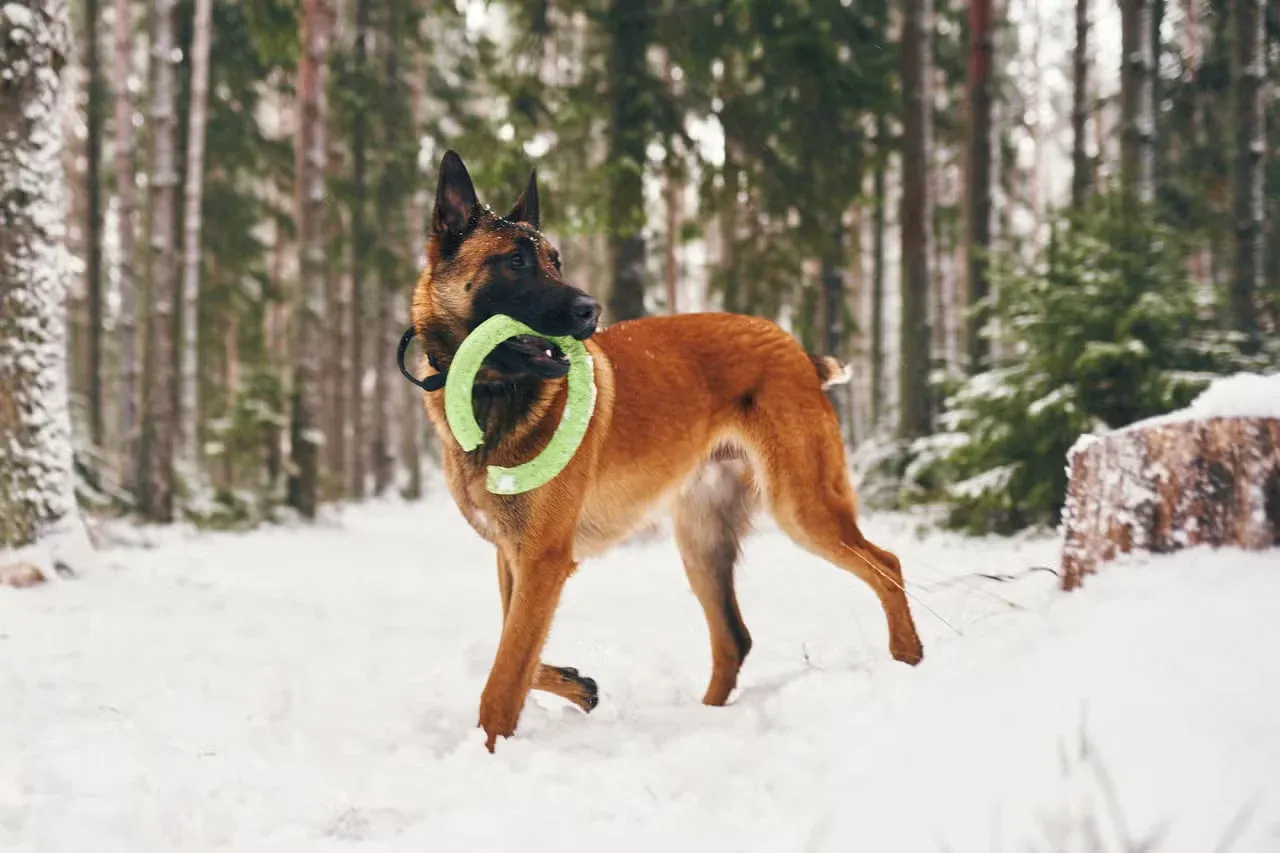
A German Shepherd type dogs holding a toy.
Image via Getty Images/Ekaterina Goncharova
- Origin: Belgium
- Height: 22-26 inches
- Weight: 40-80 pounds
- Lifespan: 14-16 years
The likeness between the German Shepherd and the Belgian Malinois is evident right away. Both were originally developed as herding dogs, and their origins are geographically connected since Belgium and Germany share a border. In terms of looks, when talking about dogs that resemble German Shepherds, the Belgian Malinois is an obvious fit.
"The Belgian Malinois is often mistaken for a smaller and sleeker German Shepherd," says veterinarian Dr. Bethany Hsia, co-founder of CodaPet. "They possess a similar high-drive temperament and require significant mental and physical stimulation. Human parents should expect a workaholic dog that needs a specific job or sport to prevent destructive behavior. Belgian Malinois are highly athletic and can be more demanding than a German Shepherd."
Shiloh Shepherd
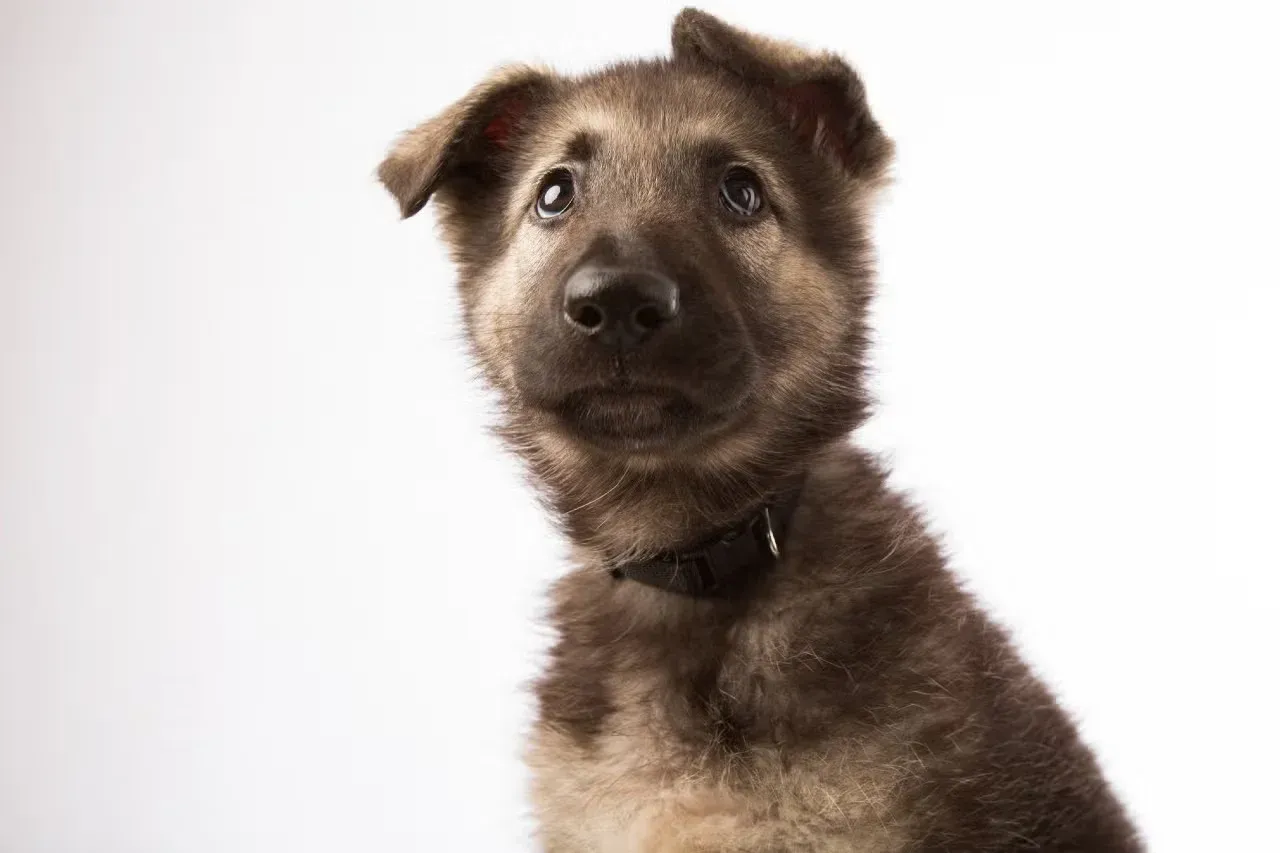
A Shiloh Shepherd puppy that is a German Shepherd similar breed.
Image via Getty Images/squiremi
- Origin: New York
- Height: 26-28 inches and above
- Weight: 80-160 pounds
- Lifespan: 9-13 years
First acknowledged as a breed in the early 1990s, the Shiloh Shepherd was created to produce a shepherd-type dog with a gentler, more family-oriented disposition. If you appreciate the appearance, intelligence, and determination of the German Shepherd but find their high-maintenance, constantly active nature challenging, the Shiloh Shepherd is a solid substitute.
"The Shiloh Shepherd looks like a German Shepherd but with a larger frame. They are known for being courageous and intelligent but significantly calmer and more 'gentle' than a German Shepherd," says Dr. Hsia. "While Shiloh Shepherds still need regular walks, they are not as active as a German Shepherd. Pet parents can expect a massive, loyal companion that is excellent with children and other pets, though they should be prepared for potential large breed health considerations." These health issues can include ventricular arrhythmia, sub-aortic stenosis, and hip dysplasia, but it's worth noting that Shiloh Shepherds have been bred to have progressively stronger, healthier hips over recent decades.
Siberian Laika
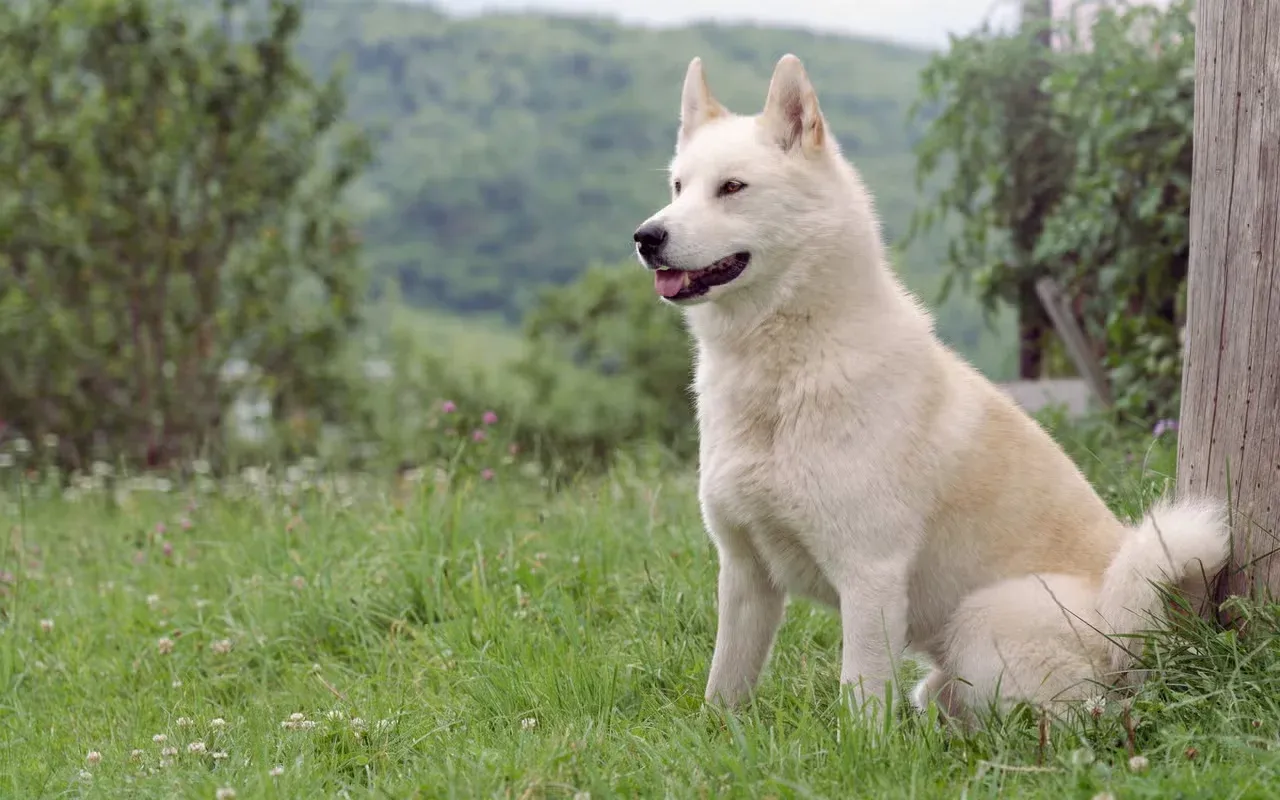
A Siberian Laika sitting outside that looks like a white German Shepherd.
Image via Getty Images/Ayman-Alakhras
- Origin: Russia
- Height: 21-24 inches
- Weight: 40-55 pounds
- Lifespan: 12-15 years
Uncommon in the United States but treasured in their native Russia, the Siberian Laika is a powerful force. There are two main varieties (East and West), but aside from minor differences in size and build, both share largely the same characteristics. Bred to hunt with humans in the harsh Siberian environment, these large dogs are valued for their immense strength and energy as well as their playful, friendly nature, making them excellent family dogs for those who can match their activity level.
"The East/West Siberian Laika (ESL/WSL) is a Russian-bred Spitz-type dog bred for hunting," says veterinarian Dr. Julie Hunt of Embrace Pet Insurance. "They are a large breed dog with a double coat. They can be used for hunting a variety of quarry or can be trained as watch dogs, as they are courageous and reactive if threatened. Historically, they have also been used as sled dogs."
Laikas are usually calm and friendly with their families, but avoid them if you want a low-energy pet. These active dogs require substantial exercise—"ideally including time spent off leash," Dr. Hunt adds. Also, due to their strong hunting instinct, Laikas are not advised for homes with smaller pets.
Belgian Tervuren
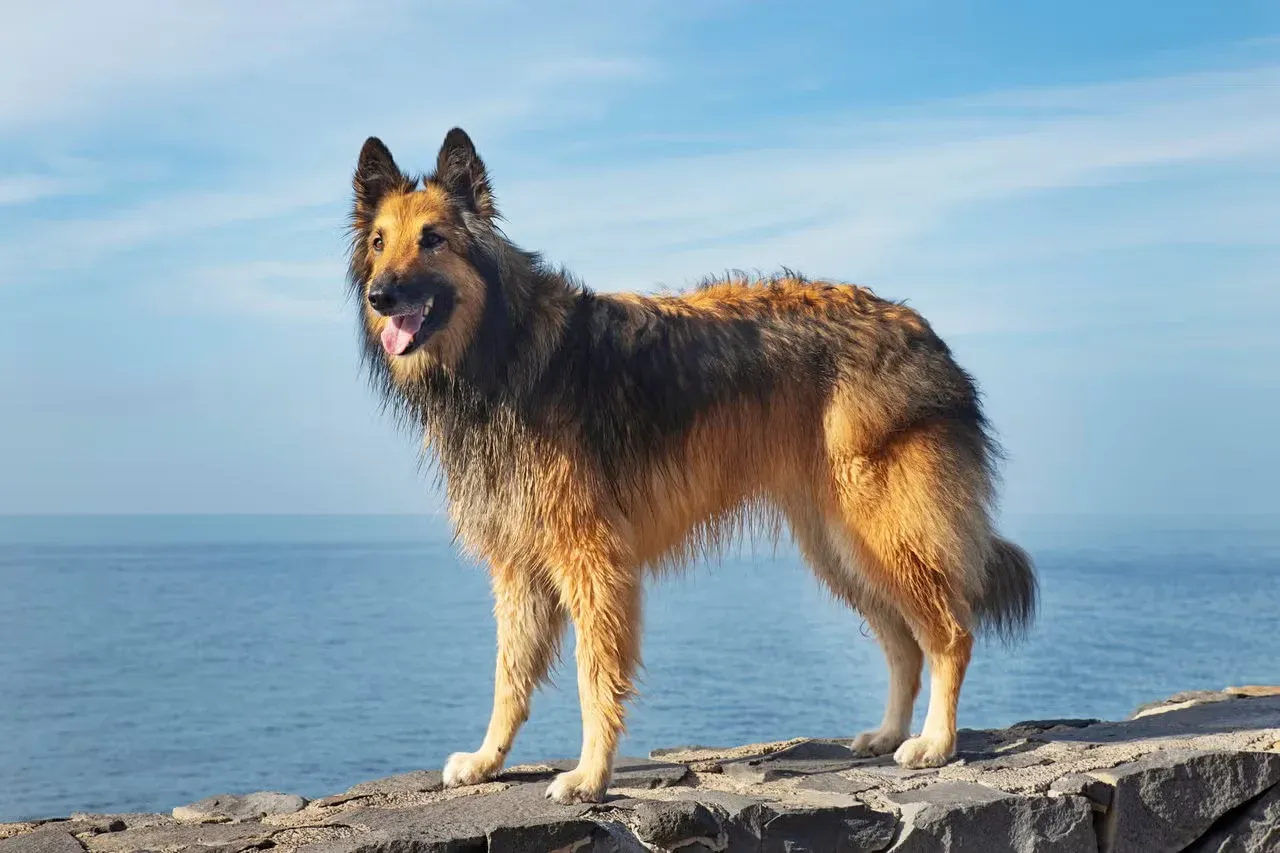
A Belgian Tervuren standing by the sea.
Image via Getty Images/Ana Iacob
- Origin: Belgium
- Height: 22-26 inches
- Weight: 45-75 pounds
- Lifespan: 12-14 years
With a long, straight, silky coat that resembles a German Shepherd's, the Belgian Tervuren (or "Terv") wins hearts with its charisma and confidence. These diligent and typically good-natured dogs can make wonderful family pets, though as with any working breed, there are a few minor considerations.
"Like most herding breeds, they require a lot of exercise and mental stimulation to be happy and well-behaved," cautions Dr. Hunt. "Tervs are affectionate and loyal dogs, with some owners saying that they have a sense of humor as well! Because of their intelligence, they are easily trained. They can be protective and thus are able to be trained as watch dogs if the owner values this. They are typically good with children, although like most herding breeds, they may try to herd smaller children."
Beyond needing ample stimulation and training, the Terv's long, double-layered coat means more shedding. Expect to spend extra time grooming compared to a short-haired dog, and perhaps keep a few lint rollers handy during summer.
Bohemian Shepherd
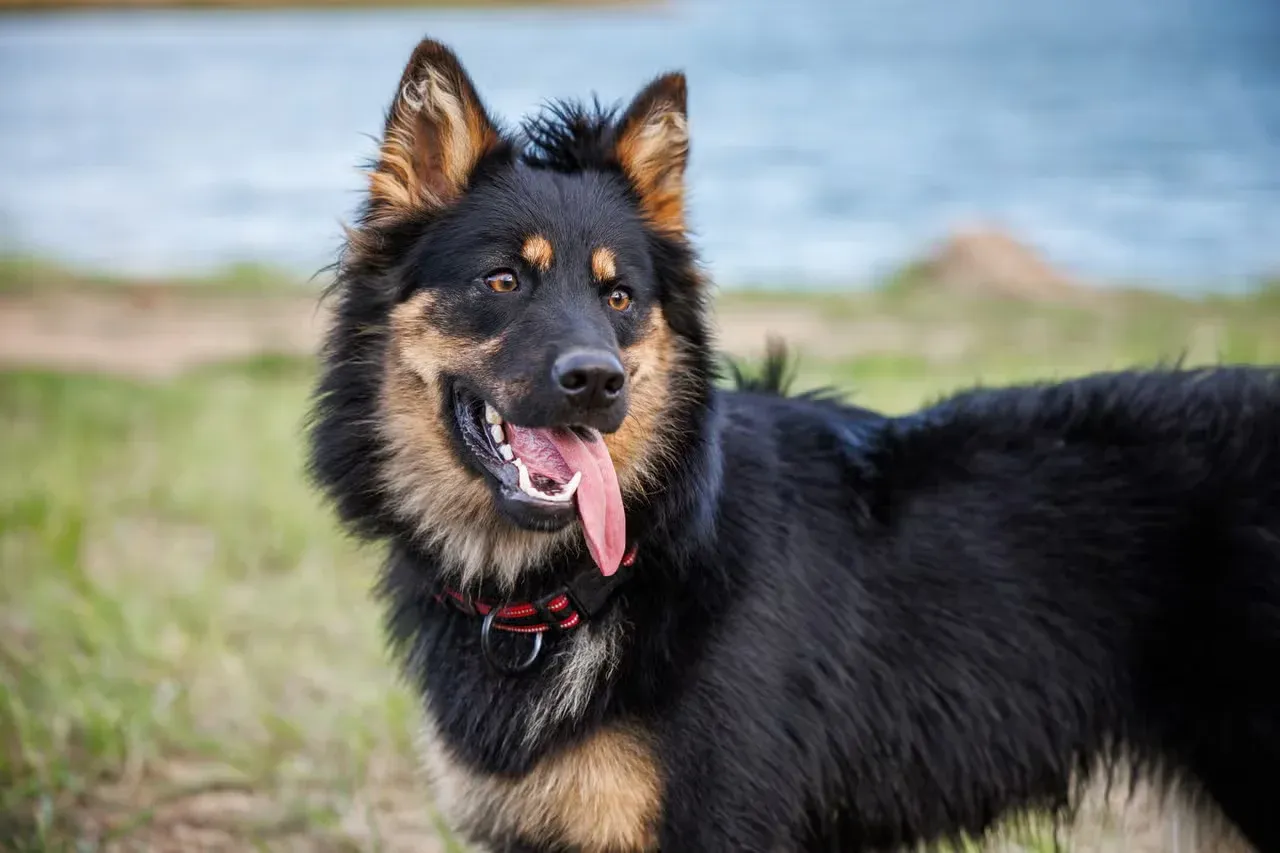
A fluffy German Shepherd looking dog standing by a pond.
Image via Getty Images/Zbynek Pospisil
- Origin: Bohemia (modern-day Czech Republic)
- Height: 19-22 inches
- Weight: 37-60 pounds
- Lifespan: 12-15 years
Initially bred as guard dogs for the Bohemian Monarchy as early as the 12th century, the Bohemian Shepherd faded into obscurity after WWII and was nearly forgotten. Fortunately, thanks to breeders Dr. Vilem Kurz and Jan Findejs, the breed standard was restored in the mid-1980s, and today the Bohemian Shepherd is back and thriving.
"The Bohemian Shepherd is an intelligent, easily trained dog that is energetic and requires significant daily exercise," says Dr. Hunt. "They can be successful in any number of working dog roles, including search and rescue, agility, or guard dog work. They are known to bond strongly with their families, including children in the home."
Like the Tervuren, the Bohemian Shepherd has a long, double-layered coat, though with wavy rather than straight hair. Dr. Hunt notes that these dogs are also frequent barkers, especially when they sense a potential threat to their family—and due to their guard-dog heritage, Bohemian Shepherds are always watchful.
Dutch Shepherd
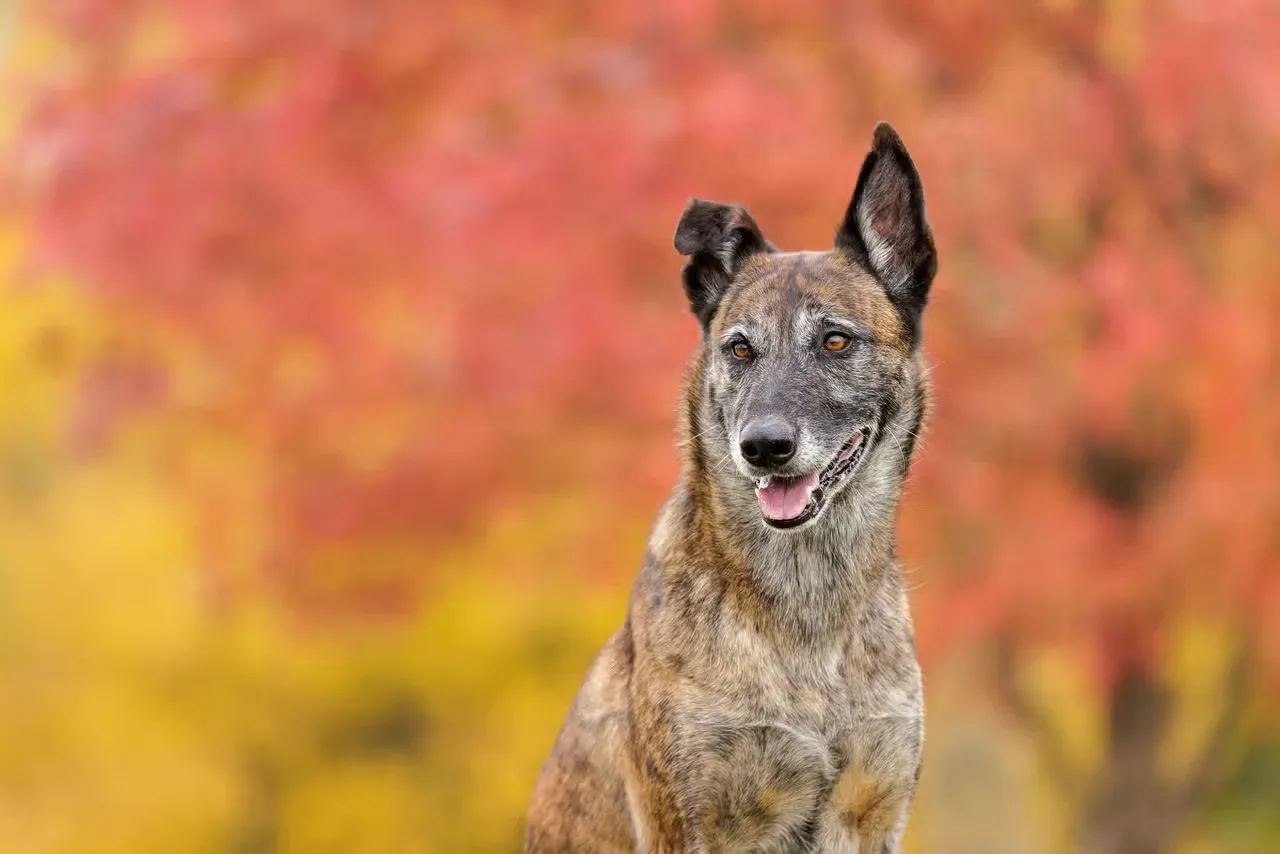
A Dutch Shepherd outside in autumn.
Image via Getty Images/Sue Zellers
- Origin: Netherlands
- Height: 21-25 inches
- Weight: 42-75 pounds
- Lifespan: 11-14 years
Closely resembling the German Shepherd in looks, intelligence, and temperament, the Dutch Shepherd was developed to herd, guard, and handle various farm tasks as a "Jack of all trades." Dr. Hsia describes the Dutch Shepherd as "a companion that excels in agility and protection," and while they have an independent streak, they are still eager to please and readily trainable with proper guidance. Although there are short-, long-, and rough-haired types, the short-haired Dutch Shepherd has a particularly close-cropped coat, which could be perfect if you want a dog that needs less grooming than the previous two.
Caucasian Ovcharka
- Origin: The Caucasus Mountain Range
- Height: 23-30 inches
- Weight: 99-170 pounds
- Lifespan: 10-12 years
With their massive builds and thick, heavy coats, the Caucasian Ovcharka (also known as the Caucasian Shepherd Dog) looks like a mix between a German Shepherd and a bear. Native to the Caucasus Mountains, the Caucasian Ovcharka was bred to protect livestock from the region's most dangerous predators, including wolves.
"As a guardian breed, they are brave and will confront threats that are presented," Dr. Hunt explains. "They can be used as guard dogs if trained appropriately. Despite that, Caucasians are friendly and devoted to their human families, also making them good pets." However, potential adopters should note that their strong prey drive might make them problematic in homes with other dogs or small pets.
Belgian Laekenois
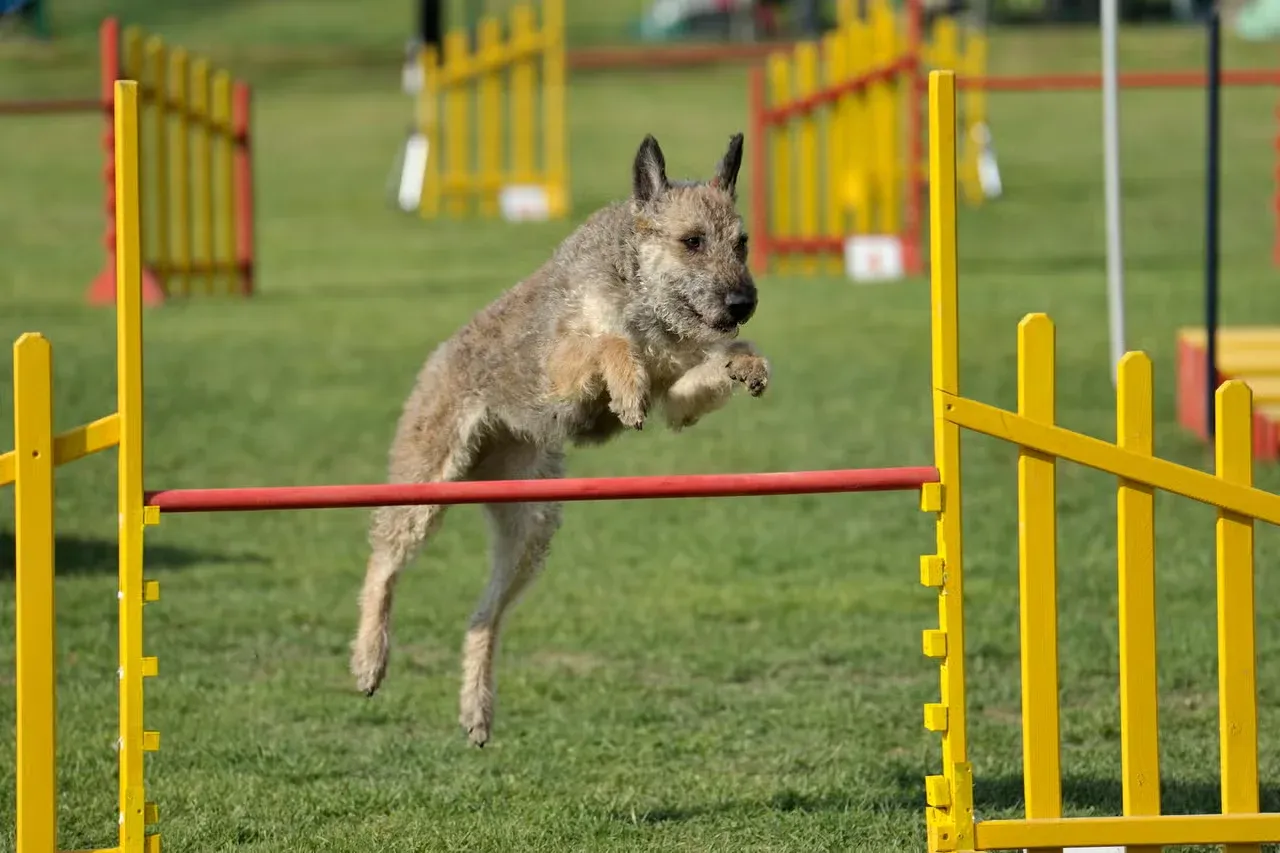
A Laekenois jumping a hurdle.
Image via Getty Images/s5iztok
- Origin: Belgium
- Height: 22-26 inches
- Weight: 55-65 pounds
- Lifespan: 10-12 years
According to Dr. Hunt, the Laekenois is one of four Belgian herding breeds (the others being the Belgian Sheepdog, Malinois, and Tervuren). Like those breeds, these are highly energetic working dogs that need plenty of daily exercise and mental enrichment to remain happy, healthy, and free from anxiety. Still, if their high mental and physical needs are met, they can become excellent family dogs.
"They are very intelligent and thus easy to train," Dr. Hunt says of the Belgian Laekenois. "They are affectionate and loyal to their owners and are good in homes with children, although like other herding breeds, they may try to herd small children in the home."
White Swiss Shepherd
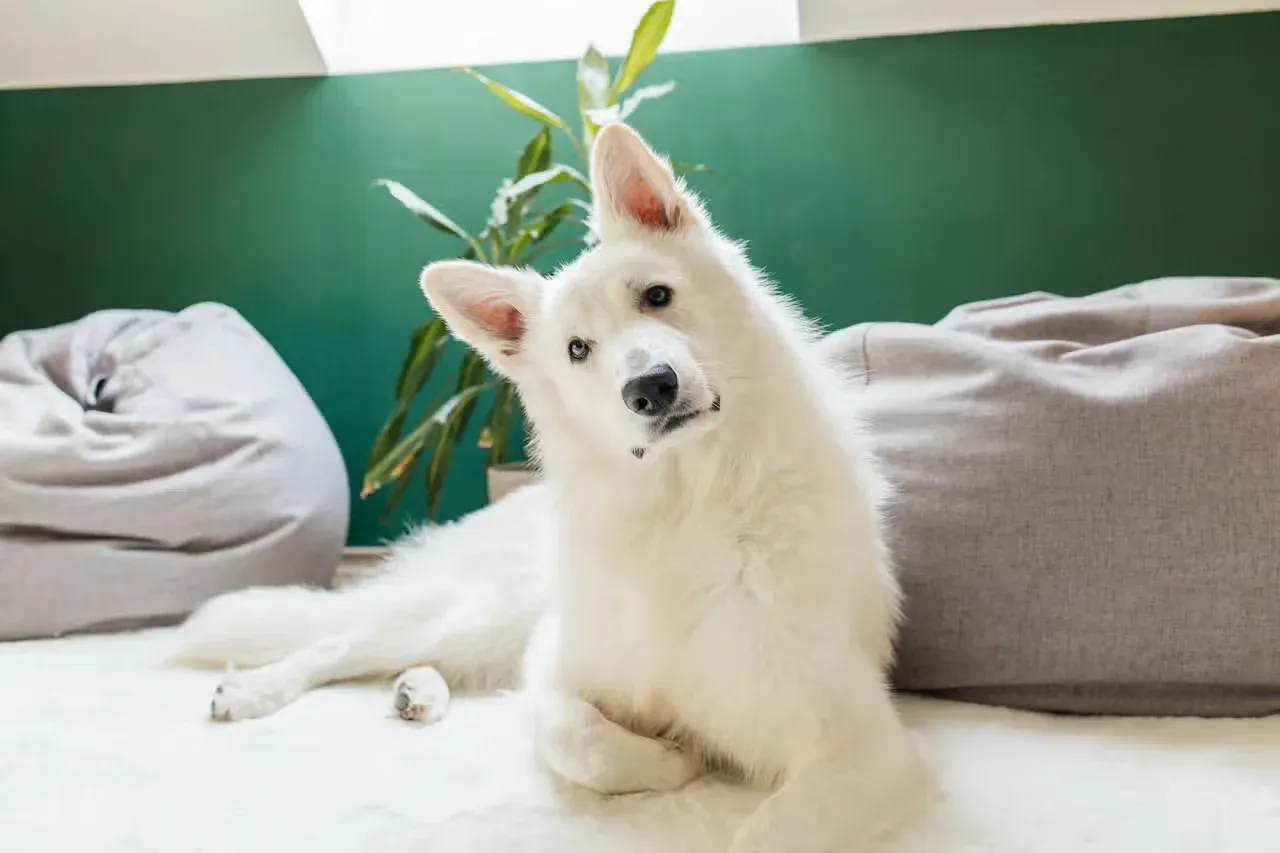
A Swiss White Shepherd sitting on a couch.
Image via Getty Images/Elena Medoks
- Origin: Switzerland
- Height: 21-29 inches
- Weight: 49-88 pounds
- Lifespan: 12-14 years
Seeking a true Alsatian-type dog? The White Swiss Shepherd is less a separate breed from the German Shepherd and more a variant, descended from a purebred line of white-coated German Shepherds. Although not yet recognized by the AKC, the White Swiss Shepherd (also called the Berger Blanc Suisse) is a recognized breed in its native Switzerland.
"The White Swiss Shepherd was developed in Switzerland and are generally more sensitive and less aggressive than their German counterparts," Dr. Hsia tells us. "Lifestyle needs include moderate exercise and close family integration; parents can expect a loyal companion that is often more family-oriented than a German Shepherd. They are also a beautiful dog breed."
Dr. Hsia also cautioned that these dogs can be very vocal—perhaps not surprising given their guard dog background and strong prey drive. Don't be surprised if your Berger Blanc Suisse is the talkative type.
Northern Inuit Dog
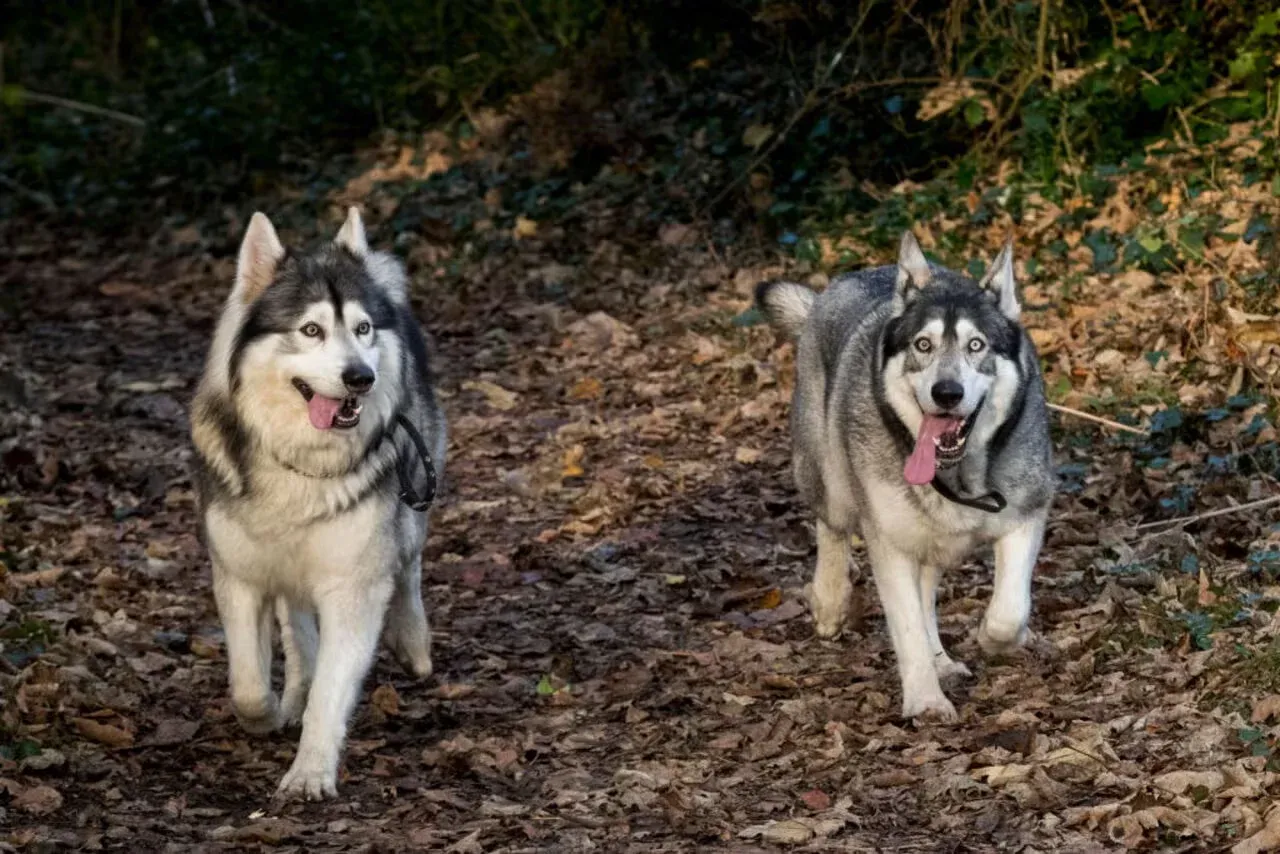
A pair of Northern Inuit Dogs.
Image via Getty Images/Liam McBurney - PA Images / Contributor
- Origin: United Kingdom
- Height: 23-32 inches
- Weight: 55-110 pounds
- Lifespan: 12-15 years
Despite the name, though the Northern Inuit Dog partly descends from Arctic dogs, this German Shepherd look-alike was actually developed in the UK in the late 20th century. A mix of breeds like the Siberian Husky, Alaskan Malamute, and German Shepherd, these dogs closely resemble wolves—so much so that a fortunate few were cast as Dire Wolves on Game of Thrones.
While the Northern Inuit Dog is generally friendly, Dr. Hunt warns they may present challenges as family dogs. "They bond well onto their families, including children, though they can be stubborn or challenge an owner's directives. Northern Inuits may also develop separation anxiety if no one is home for many hours of the day." According to Dr. Hunt, the Northern Inuit Dog does best in a household where they can get a moderate amount of daily exercise, and they benefit greatly from having a working job or lots of mentally-stimulating puzzle toys. And, as with other dogs with Arctic heritage, Northern Inuits are heavy shedders who need extra protection from the heat when living in warm areas.
Sources:
- Veterinarian Dr. Bethany Hsia, co-founder of CodaPet
- Veterinarian Dr. Julie Hunt of Embrace Pet Insurance