Feline Mourning: New Research Uncovers How Cats React to Losing a Fellow Pet
Taylor Gray
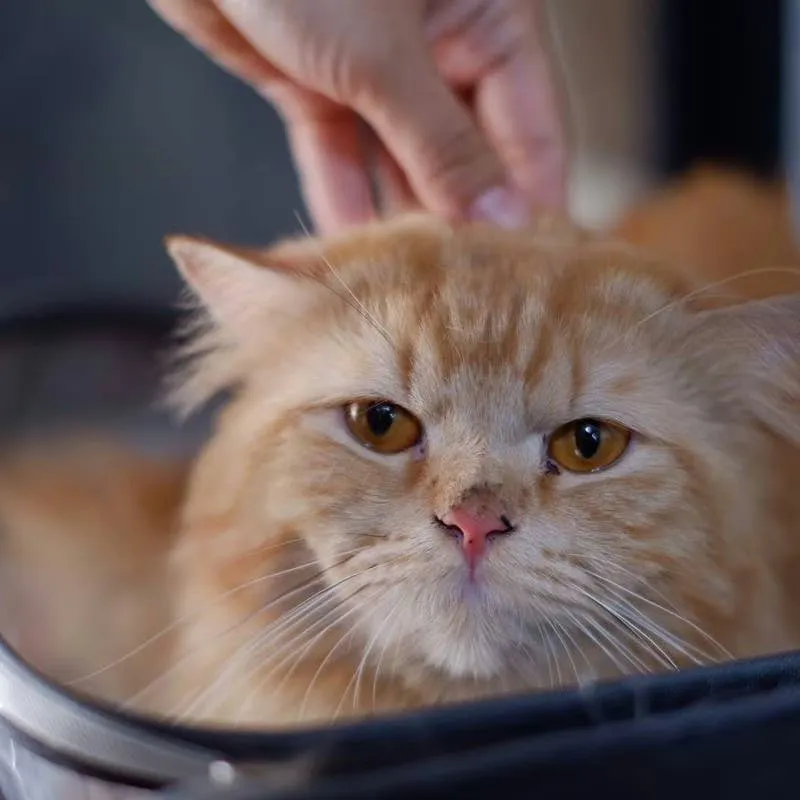
I've long been frustrated by the inaccurate belief that cats are incapable of mourning or even feeling love. Cats might not wear their hearts on their sleeves the way dogs often do, but that doesn't mean they lack the capacity for emotion. This past May, after our elderly family dog, Kasey, died, I saw my own cat go through what sure looked like grief. He had never appeared especially attached to Kasey while she was alive, yet in the weeks following her death he grew markedly more anxious—so much so that we had to step in to stop him from overgrooming.
I know personal stories aren't the same as hard scientific evidence. But there's more than just my experience to consider. A study recently conducted by researchers at Oakland University in Michigan indicates that cats do grieve when another pet in the household dies—including when that pet is a dog.
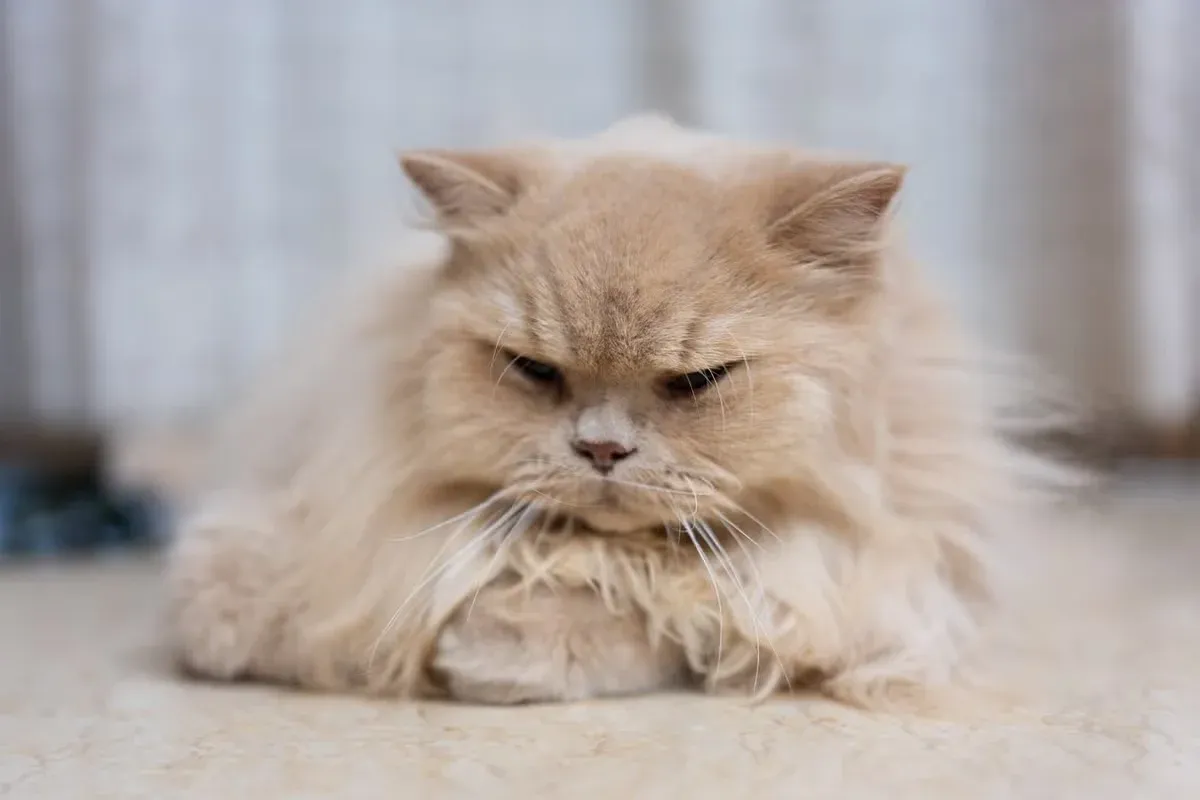
A long-haired cat, looking sad
CHUANGXIN ZHOU via Shutterstock
People Magazine reported on the Oakland University findings, which appeared earlier this month in Applied Animal Behavior Science. Jennifer Vonk and Brittany Greene, the study's co-authors, asked more than 400 cat owners about their cats' behavior following the death of another cat or dog in the home.
According to Vonk and Greene's research, cats on average showed behaviors linked to grief, such as eating and playing less, sleeping more, spending more time by themselves, and seeking extra attention from their owners. Some cats reportedly even seemed to search for the deceased pet—as if the other results weren'talready heartbreaking enough.
Grief and the Social Evolution of Cats
Although the study's findings were deeply saddening, Vonk and Greene find a hopeful aspect within the sorrow.
"It made me a little more optimistic that they are forming attachments with each other," Vonk said in a recent NPR interview. "It's not that I want the cats to be sad, [but] there is a part of us, I think, as humans that wants to think that if something happens to us, our pets would miss us."
Vonk also told NPR that the behavioral shifts they observed resembled those seen in dogs, which evolved to be more socially oriented and emotionally expressive than cats. Additionally, Vonk pointed out that the cats' behavioral changes were "consistent with what [they] would expect for grief," given how long the pets had lived together and the nature of their relationship.
The emotional world of domestic cats remains puzzling to many animal researchers and cat owners alike, which helps explain the persistent stereotype that cats are aloof and unfeeling. This study, however, offers strong evidence that cats may experience emotions more profoundly than many people assume—particularly when a companion in the home dies.
How to Support a Grieving Cat
What can pet owners do to help a cat who is mourning? Unless the cat is dangerously refusing food or showing severe aggression or anxiety that requires veterinary care, the best approach is to treat them like any other grieving person or animal: give them plenty of love.
VCA Animal Hospitals recommends giving a grieving cat extra affection, spending additional time together, engaging in their favorite activities, and offering treats. If a cat continues to struggle long after the other pet's death, it may be worth asking your veterinarian about medication to ease anxiety, or about testing to rule out other underlying health issues.
Recovering from grief requires time and love, and chances are you need that time and affection too after losing a beloved pet. If you and your cat can support each other through that period, it may make it a little easier for both of you to get through the difficult time.