Genetic Health Concerns in the Siberian Forest Cat Breed
Taylor Gray
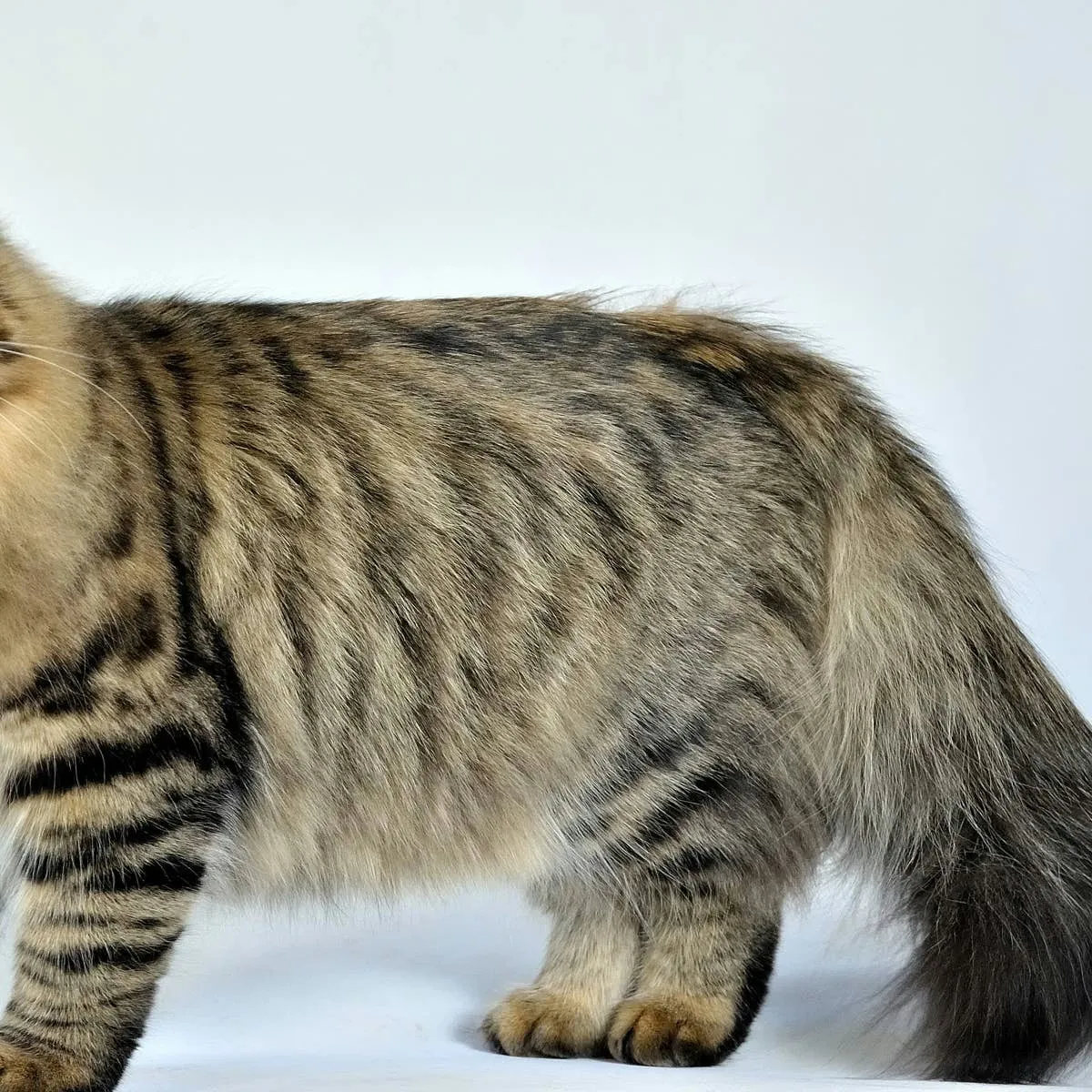
Distinctive Traits of the Siberian Forest Cat
The Siberian Forest cat, also known as the Siberian cat and related to the Norwegian Forest cat, originates from Russia. It is occasionally called the Moscow Semi-longhair. This breed is popular among cat enthusiasts because of its long coat, which is suited to the colder climates of northern Europe. Its fur has three layers and is even water-resistant.
This cat variant is known for its dog-like loyalty, making it a devoted companion and pet. These cats are strong, athletic, and highly intelligent. Their coat is reported to be hypoallergenic, which allows many people with cat allergies to keep a Siberian Forest cat.
However, this unique and beautiful cat can experience common health issues and become ill. Most of these conditions have arisen through the cat's distinctive heredity. They are passed from one generation to the next via the pedigree gene pool. Many of these diseases can be treated by a veterinarian, allowing the cat to regain full and lasting health.
Most Frequent Health Issues
The common health problems in the Siberian Forest cat breed fall into four main categories:
- Heart Disease or HCM
- Kidney Disease or PKD
- Hereditary Cancer
- Urinary Crystal or FLUTD
- Gum Disease
Heart Disease: HCM Hypertrophic Cardiomyopathy
The term Cardiomyopathy is derived from three words:
- Cardio = the heart in its entirety (hence cardiovascular)
- Myo = comes from the Latin word for muscle
- Pathy = disease
- Hypertrophic = thickened
Thus, the disease is known as thickened heart muscle disease, or HCM.
HCM is a well-known heart disease that affects several purebred cat breeds. It causes thickening of the heart muscles, which can be fatal over time. These thickened muscles weaken the heart because it must work harder to pump blood throughout the cat's body. HCM can potentially affect all domestic cats, but the hereditary traits of the Siberian breed make it more susceptible than other breeds. This illness has led to HCM affecting even cats that are still in their kitten stage.
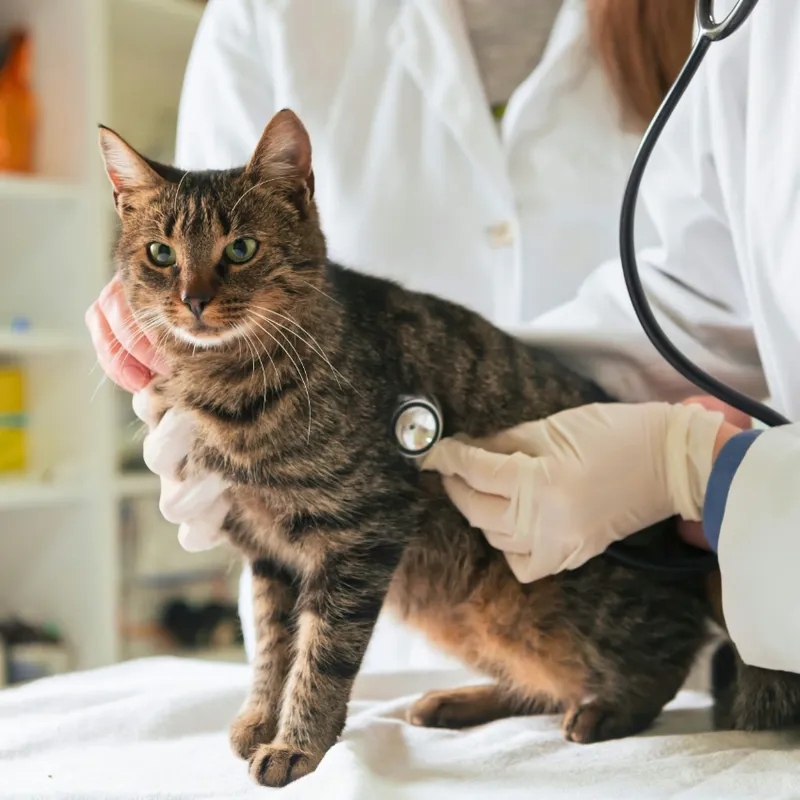
Early diagnosis using ultrasound to produce an echocardiogram of the heart is the best way to identify if your cat has this disease. Check with your local vet to see if they can perform this test. Certain herbs, including hawthorn, have been suggested to help limit the disease. Additionally, anticoagulants such as aspirin, warfarin, or heparin may be given to help thin the blood and reduce the strain on the cat's heart.
Polycystic Kidney Disease (PKD)
This disease generally affects Siberian Forest cats in later life. It is a slow degenerative condition that worsens as your pet ages. Enlarged and dysfunctional kidneys are a key indicator of PKD's presence.
PKD is a hereditary disease in which cysts (or liquid-filled sacs) form at the kitten's birth. As the cysts enlarge and fill with liquid, the normal functioning of the kidneys is reduced. Typical problems include weight loss, reduced appetite, excessive thirst, and increased urination. Diagnosis of this condition is possible in kittens from six months and older.
However, because PKD is hereditary, there is no effective preventative measure to stop your Siberian Forest cat from succumbing to this disease. The final outcome is total kidney failure, and there is no effective remedy.
Since PKD is genetically based, breeders have been actively encouraged to keep regular checks on their cats to stop the disease. If a cat is found to have this trait, it must not be allowed to breed, thereby eliminating the genetic pass-on to future generations. The effectiveness of genetic control, however, relies solely on the responsibility of Siberian Forest cat breeders around the world.
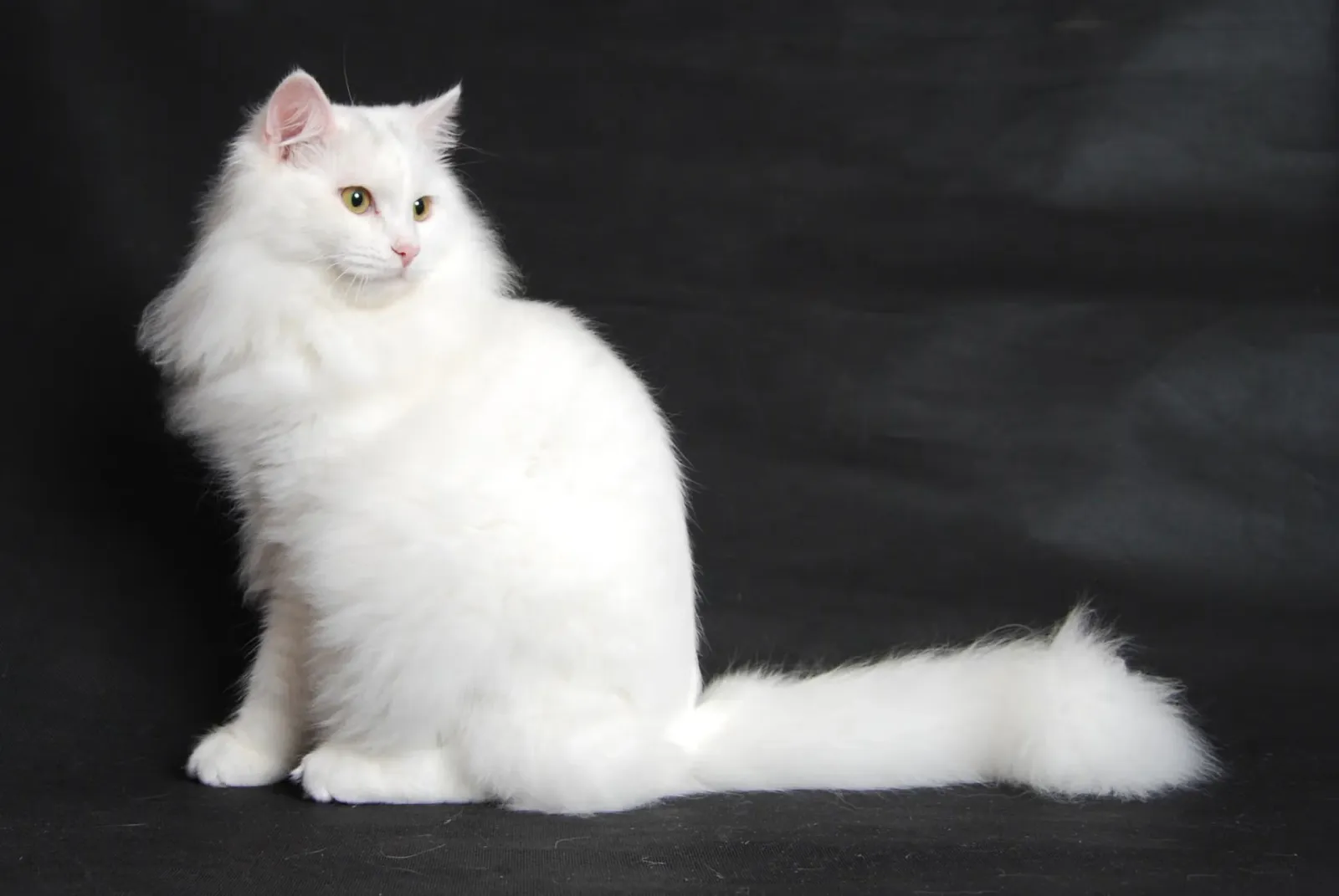
The Siberian Forest cat has been in Russia for centuries.
Hereditary Cancer
This genetic form of cancer appears to only affect the pure white lines of the Siberian cat. Hereditary cancer is a common disease among the pure white lines descended from the parentage and pedigree of "Gesha Olenya Krasa" and "Dolka Olenya Krasa." However, greater scientific studies need to confirm if its presence is as established in other coat colours.
The probability of a Siberian becoming diagnosed with hereditary cancer increases significantly if the pure white's descended from these two cats. The onset of this cat cancer is due to the detection of an Oncogene (cancer-causing gene).
Although hereditary cancer is a common disease that remains genetically connected, primarily with the Siberian cat, with proper diagnosis and treatment the cat's longevity remains possible. Regular veterinary check-ups, as well as a balanced nutritious diet, are advisable in the first instance.
Routine check-ups can help detect certain cancers before they become too serious.
Urinary Crystal (Bladder Stones) FLUTD (Feline Lower Urinary Tract Disease)
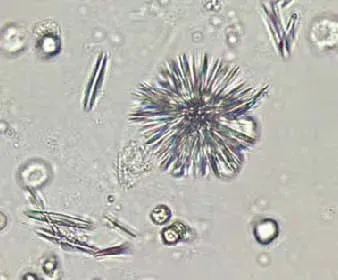
Urinary crystals are the formation of stone-like minerals, crystals, and organic matter that reside in the cat's bladder. They can form from an early age or will form as your Siberian Forest cat ages.
The Siberian Forest cat commonly suffers from FLUTD. It is essential that a check of the parentage is carried out to find out if the parents or grandparents of the cat suffered from this illness. It is not fully understood by veterinary science if this illness exists as a hereditary condition. FLUTD covers all urinary tract disorders including blockages, kidney stones, as well as infections.
As this disease affects the bladder, typical symptoms include:
- Blood in the urine (hematuria – blood that can be seen, as opposed to microscopic which is unseen)
- Painful urination
- Frequent urination or straining to urinate
- Genital licking
- Chronic urinary tract infections
- Urinary tract obstruction
- Urine spraying
- Passing urine in unusual places
Luckily this disease is treatable by your vet through the following methods of detection. Radiographs, ultrasound, urinalysis, and urine culture can all help locate the presence of these crystals. Once your cat has been identified as having this disease, there are several treatments and medications that can be taken to eradicate or break down the stones.
Medication that helps dissolve the minerals is an easy solution. Also in addition to medicines, the stones can be surgically removed from your cat's bladder. There is also a technique called Lithotripsy that physically destroys the stones through shock. This method uses high-energy shock waves, also called sound waves, to smash the stones into smaller pieces that can then be passed in your cat's urine.
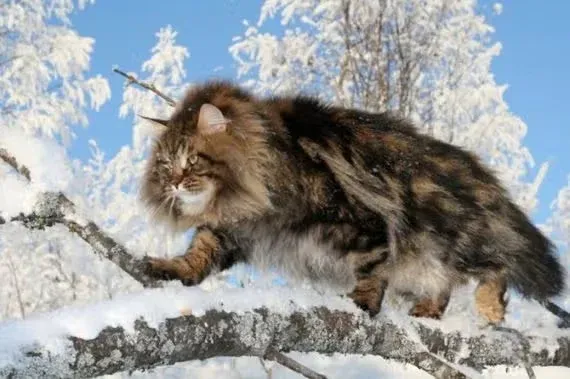
This breed loves the outdoors!
Feline Gum Disease (Periodontal Disease)
All cats suffer from gum disease (periodontal disease) to some extent. Although this can be affected by diet and lack of supplements, the Siberian Forest cat is prone to this disease. It is, unfortunately, a common condition. If your cat's health starts to deteriorate from this condition, tooth extraction is the only viable option. The only effective relief for your cat from the pain suffered through consistent tooth pain is the removal of the offending tooth or teeth.
Many Siberian Forest cat breeders strive to ensure their breeding stock remains free from this hereditary dominant disease. The illness, however, is a result of the efforts to stabilise the breed by interbreeding with the Persian, Maine Coon Cat, and the Himalayan cat. Unfortunately, these cats were also prone to gum disease so the illness has been passed down through the heredity lineage.
Teeth Removal
Your cat will return to normality and loss of pain once the teeth have been removed; however, a diet change will be required to cater for your pet's lack of teeth. You'll have to start considering using softer foods that do not require your pet to eat by chewing.
Preventative Treatment
Although gum disease is so common, there are a few preventative measures you can take to stop the periodontal disease from affecting your animal. Giving your Siberian Forest cat regular periodontal treatment can help the start of this common gum disease.
Just as in humans, regularly brushing your cat's teeth can prevent the formation of the disease. Using a recommended cat mouth rinse can also help. In addition, you should get your cat routine dental check-ups through an approved veterinarian.
How Gum Disease Develops
- Bacteria form on the teeth
- Minerals and plaque unite together and start the tartar build-up which is hard to remove—unless your cat has regular teeth checks.
- Bacteria move into the gums causing gingivitis which is inflammation.
- Once under the teeth, the bacteria start to erode the tooth structure leading to pain and tooth loss.
Regular brushing can help stop the build-up of tartar. Use a recommended cat toothbrush and toothpaste. Human toothpaste should not be used. Also, foods should have an abrasive action that can scrape the cat's tooth. This action (similar to dental brushing) helps destroy the build-up of tartar.
CET toothpaste contains a unique formula for dogs and cats that helps provide natural antibacterial action inhibiting the formation of plaque.
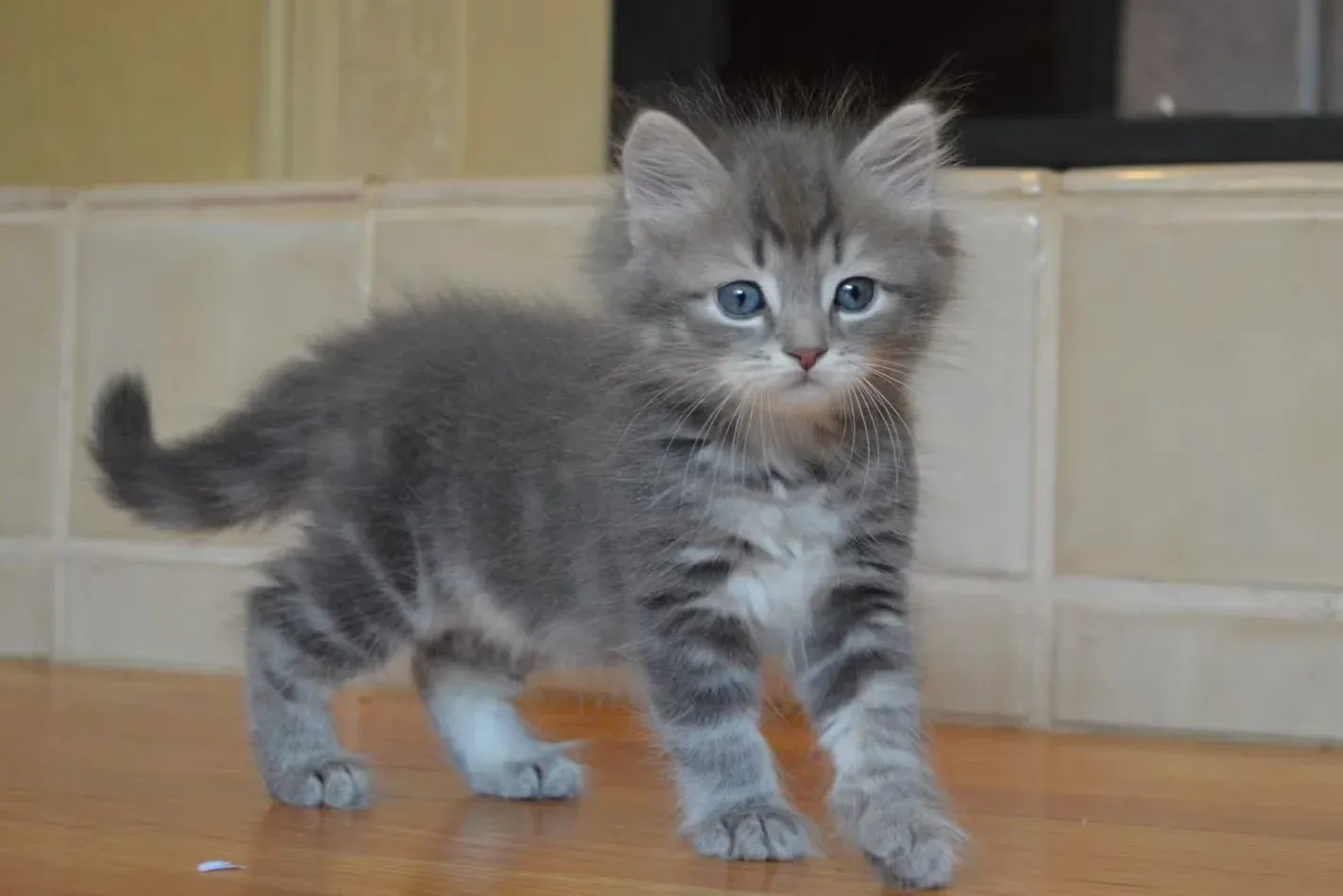
A Siberian Forest Kitten: These cats are beautiful, friendly and intelligent.
Be Proactive for Your Siberian Forest Cat's Health
- Consult with your vet to discuss preventative measures.
- Check if you can have regular dentistry checks to remove plaque.
- Have your pet checked for urinary problems by using radiography.
- Regular vet check-ups to determine if the onset of hereditary cancer is likely.
- Use ultrasound to produce an echocardiogram of the heart to detect HCM.
Sources for Further Reading
- Siberian Cat Breed Information | Siberian Cat Characteristics, Grooming, Temperament Check Siberian Cat facts. Click here for history, average size, weight, temperament, life expectancy, genetic health risks, and care insights.
- Heart Disease | Siberian Research Inc. A not-for-profit corporation for the Siberian Cat.
- C.E.T.® Enzymatic Toothpastes Virbac is an animal health pharmaceutical company that specializes in dental, medicine, and supplements for dogs, cats, and ferrets in the United States. We are shaping the future of animal health.
This article is accurate and true to the best of the author's knowledge. It is not meant to substitute for diagnosis, prognosis, treatment, prescription, or formal and individualized advice from a veterinary medical professional. Animals exhibiting signs and symptoms of distress should be seen by a veterinarian immediately.