Health
Managing Dog Mange at Home: What Works and What to Avoid
Mange is a skin condition caused by mites that affects dogs. This guide covers symptoms, types of mange, and home care strategies, emphasizing the need for veterinary guidance.
80 articles
Mange is a skin condition caused by mites that affects dogs. This guide covers symptoms, types of mange, and home care strategies, emphasizing the need for veterinary guidance.
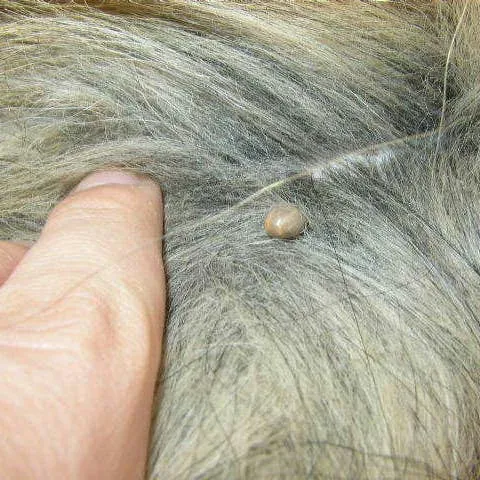
Ticks can transmit serious diseases to dogs, so prompt and proper removal of an embedded tick is crucial. This guide explains what not to do, the tools you need, how to remove a tick safely, what to do if the head stays behind, and how to prevent future tick encounters.
Christmas festivities bring joy but also numerous risks for dogs, from toxic foods to dangerous decorations. This guide highlights the most common dangers and offers practical tips to keep your dog safe and stress-free during the holiday season.
Labrador Retrievers often struggle with weight, and a common POMC gene mutation may intensify their hunger, complicating weight management despite careful feeding and exercise.
The Librela controversy reveals gaps in how new dog medications reach the market, and a veterinarian shares how owners can protect their pets when new prescriptions are offered.
Learn how intussusception, a bowel folding condition, affects dogs and puppies. This guide covers signs, diagnostic approaches, surgical options, recurrence rates, and preventive measures to help pet owners act quickly.
A personal account of a dog with a large spleen mass that turned out to be benign, contrasting with the typical poor outlook for hemangiosarcoma in dogs.
Learn how to identify signs of dementia in older dogs, provide supportive home care, and explore veterinary treatments that may help manage Canine Cognitive Dysfunction.
Many veterinarians recommend yearly heartworm tests for dogs receiving monthly preventatives, but this practice may not be medically essential and can strain finances. This article examines the rationale behind annual testing, explores how to obtain preventatives without a current test, discusses safe dosing of ivermectin, and highlights other health priorities such as dental care.
Leptospirosis is an infectious disease caused by Leptospira bacteria. It can affect dogs, other animals, and humans, with symptoms that vary from mild to severe. Prevention is key.
Anal glands in pets can become impacted, and while some animals need regular expression, others rarely have problems. Learn the signs, what to expect at the vet, and why at-home expression is risky.
Step-by-step instructions for giving your cat subcutaneous fluids at home, including equipment setup, injection technique, and monitoring.
Learn practical at-home habits that can help you avoid costly vet bills for your dog
Canine ear infections often recur. This article explores the reasons behind repeated infections, from breed predisposition to allergies, and offers practical cleaning and prevention methods. It also discusses when to consider surgery and the challenges of finding a universal solution.
Blood in your dog's poop can be alarming, but it's important to distinguish between fresh red blood and digested black blood, as each points to different potential problems.
As daylight hours shrink and temperatures drop, some pet owners report that their dogs seem lethargic, hungrier, and less interested in play. A handful of surveys and expert opinions suggest that dogs might experience something akin to Seasonal Affective Disorder (SAD), but researchers remain divided on whether the condition truly exists in canines or whether other factors are at play. This article examines the evidence and offers practical tips for keeping dogs active and content during the darker months.
Discover the symptoms and treatment options for Addison's disease in dogs.
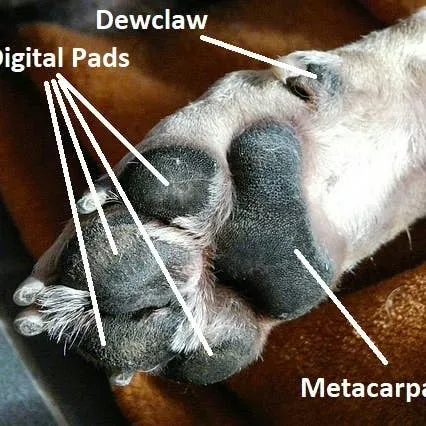
These small pads on your dog's front legs act as brakes and shock absorbers. Learn how to keep them healthy and what to do if they get hurt.