Turtles Striking Yoga-Like Poses on a Rock Spark Online Curiosity — The Science Behind It
Logan Howard
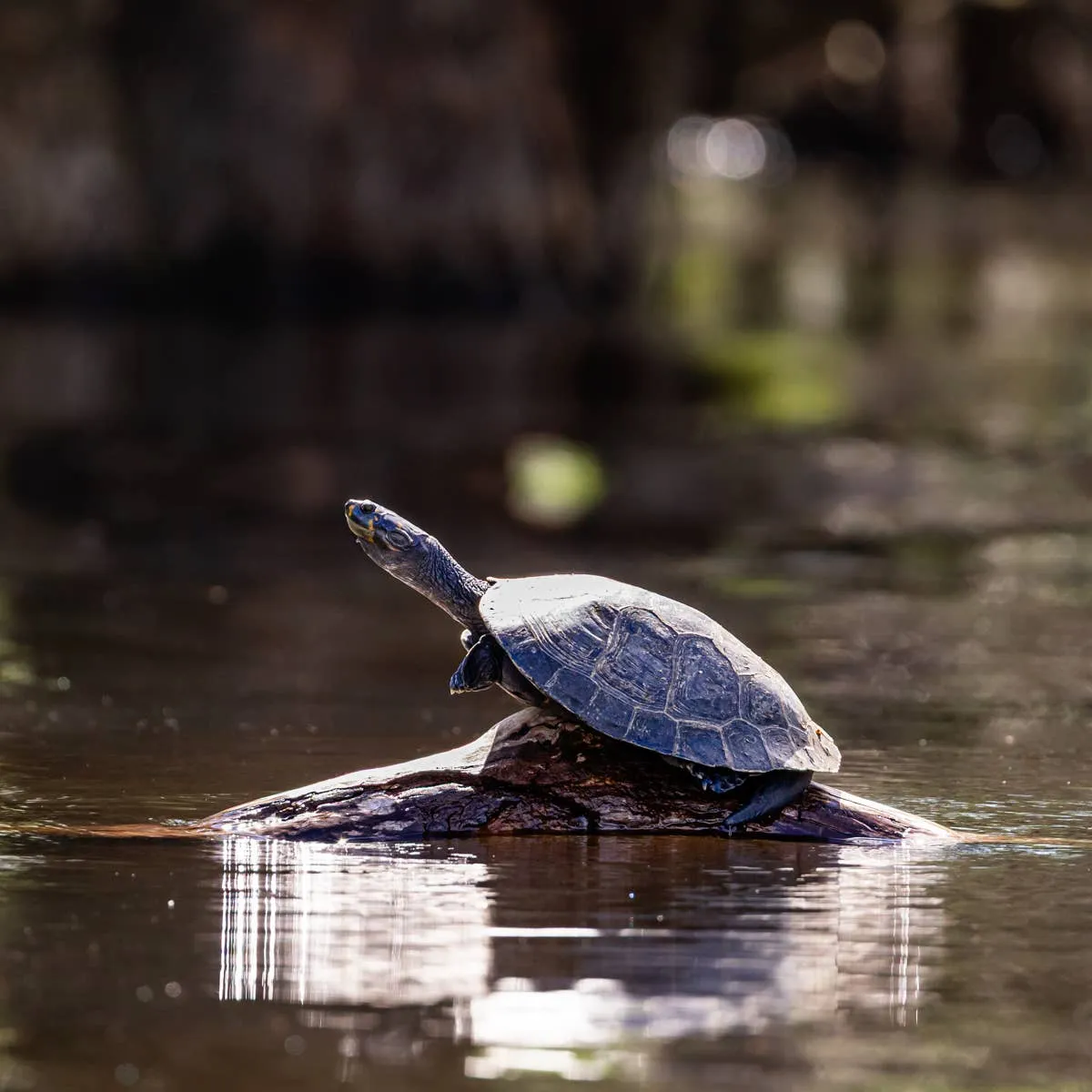
A pair of turtles soaking up the sun on a rock in the middle of a river has become a talking point on Instagram, where they appear to be holding “yoga poses.”
The person behind the camera was especially taken with “their little feet” poking out and described the scene as “bizarre.”
Instagram users who know turtles were quick to explain that this is typical behavior, and some offered the science behind why the animals adopt such postures.
One commenter, familiar with the habit, noted it is “totally normal. It’s called basking.”
Another viewer with more detailed knowledge provided a scientific explanation: “Turtles will do that to make sure they get UV rays on as much of them as possible. Also fuels metabolism for digestion and movement. Sunlight also helps kill certain bacteria and aids in shell growth. Miss the BRO hope to be back one day.”
Others joked that the turtles were “doing yoga” and that the one with limbs splayed was definitely holding “an official yoga pose.”
The Biology Behind These Unusual Stretches
What the video shows is a common sight: turtles basking in the sun for several reasons, as the commenter pointed out.
First, basking helps turtles regulate their body temperature. As cold-blooded reptiles, they depend on external heat from the sun to keep their internal temperature at an optimal level.
This process of raising body temperature by absorbing solar heat is called thermoregulation. Without it, their metabolism would not function properly.
A higher body temperature is necessary for absorbing nutrients and improving digestion, which in turn supports growth and overall health.
Turtles also sunbathe to boost vitamin D production. This enables them to absorb calcium and develop their bones properly. A lack of it can lead to skeletal deformities and weak shells, which may reduce their chances of survival in the wild.
Ultraviolet radiation from the sun can also destroy harmful microbes and parasites, bolstering the immune system. It helps dry their shells as well, which prevents the growth of fungus and algae that can cause infections commonly known as shell rot.
Basking also has a social dimension for turtles. As animals with social hierarchies, more dominant individuals claim the best basking spots along the water, while lower-ranked turtles settle for less ideal locations.
Why It Resembles Yoga
Turtles adopt these yoga-like or “Superman” poses, extending their limbs and necks to soak up as much sunlight as possible.
In other words, the more body surface they expose to the sun, the more they can maximize all the benefits mentioned above.
While basking is a normal part of turtle life, anyone who sees turtles basking in the wild should leave them undisturbed. Watching is fine, but it should be done from a safe distance so the animals are not disturbed.
It is also important for the turtles’ own safety that they bask in places like marshes, ponds, or lakes. Snapping turtles have been known to try basking on the hot asphalt of busy roads, putting them at risk of being hit by cars.
If someone spots a turtle showing signs of distress while basking—such as heavy bleeding, disoriented movement, or significant shell damage—they should contact a local veterinarian’s office or animal rescue for proper guidance on how to help.