What to Expect When Raising a Wolfdog Puppy: A Firsthand Account
Skyler White
The Misunderstood Term “Wolf Hybrid”
Many people don’t know that calling a wolfdog a “hybrid” is technically inaccurate. Dogs (Canis lupus familiaris) are a subspecies of the gray wolf (Canis lupus), so offspring of a wolf and a dog are not a true hybrid in the biological sense.
This distinction matters because the rabies vaccine has not been approved for wolf-dog mixes, even though they should receive vaccination.

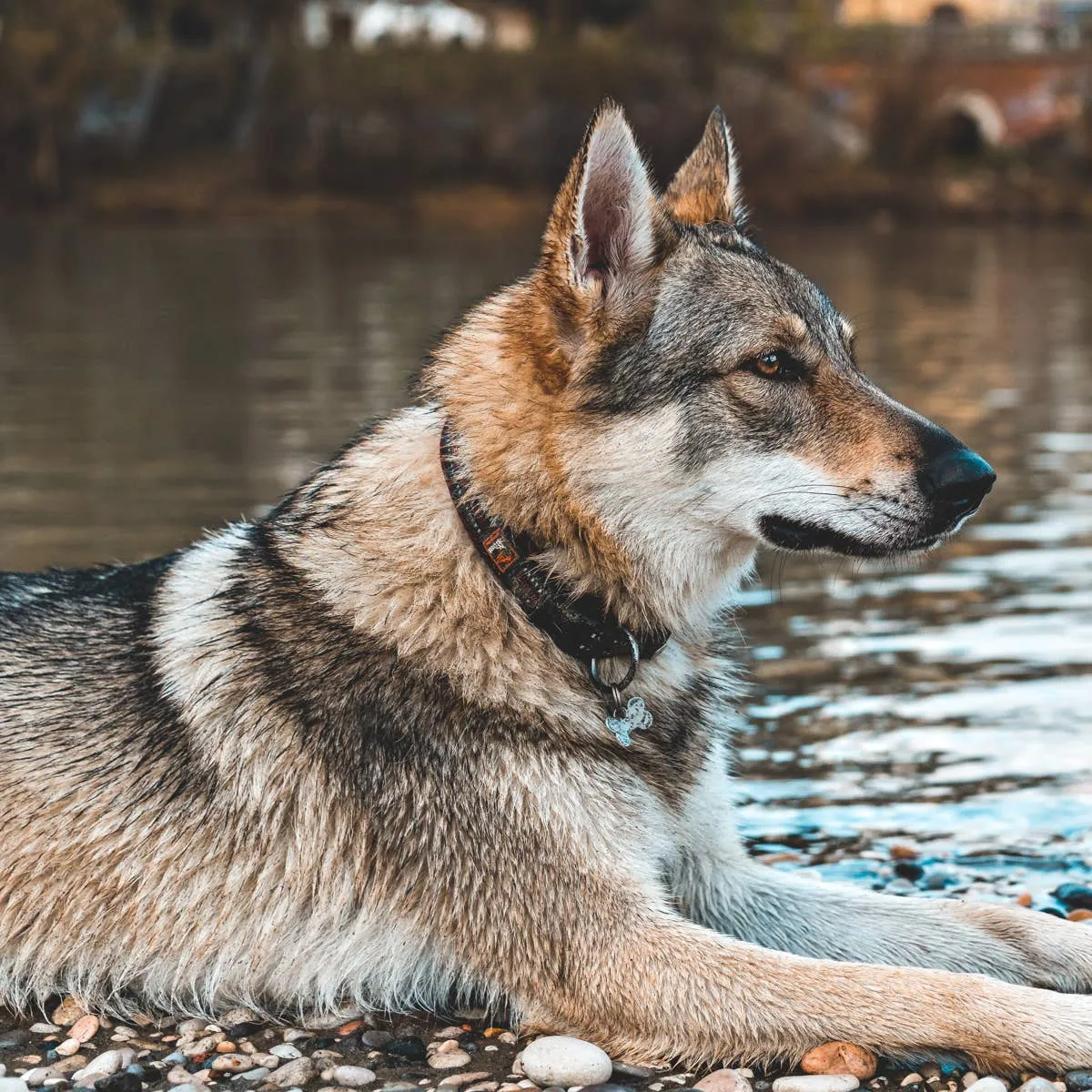
My wolf mix, Dezzy.
What to Expect from a Wolf Mix Puppy
I took in a wolf/malamute mix puppy from a couple who were relocating and couldn’t bring her along. Dezzy was nearly five months old at the time, and she was the first dog over ten pounds I’d ever had. Given my inexperience and her wild ancestry, I felt overwhelmed—but those big brown eyes won me over instantly.
Size, Coat, and Other Physical Traits
A great deal depends on the other breed in the mix. At five months, Dezzy was already a large pup. I didn’t have exact measurements for her weight or height, but as the photo shows, her paws were nearly the size of my palm. According to ucadogs.com, female wolfdog mixes can reach 70–100 pounds and stand 25–32 inches tall. Males, however, can be considerably heavier and taller. Their coats are dense and may appear in grizzled sable, white, or black phases.
Training Challenges
Wolf-dog mixes are generally considered difficult to train, partly because of their high intelligence. They also demand a lot of attention, extraordinary patience, and ample space to roam. I was surprised to read this, because Dezzy has been relatively easy to train—especially considering my lack of experience with large dogs—and while she needs a lot of attention, she also likes to do her own thing.
The Puppy Stage
That is supposed to change around 18 months, when hormones kick in and she is expected to show more of her wolf side. Young wolf mixes tend to behave more like typical puppies, while older ones become more wolf-like, so a puppy owner should be ready for that shift.
The upside of the puppy stage is that wolfdogs can learn to coexist with other animals or children and develop habits early on that you’d like them to keep into adulthood. Dezzy has a best friend in my boyfriend’s Blue Heeler, Bailey. Lately, poor Bailey has been driven a little crazy by a puppy who follows, mimics, and teases her constantly, but they still get along well enough to share a drink or play together.
Preferences and Dislikes
I’ve found that as long as Dezzy has plenty of water and chances to play, she’s manageable. She doesn’t do well lying around for long periods because she has boundless energy. She loves interacting with other dogs, but it’s best to keep her with dogs closer to her size that can defend themselves, since she can play roughly.
Featured Gallery
1 / 1
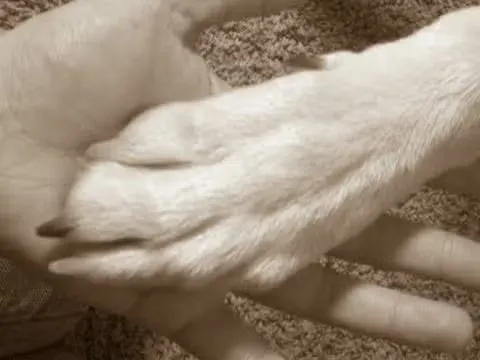
Dezzy’s big paws.
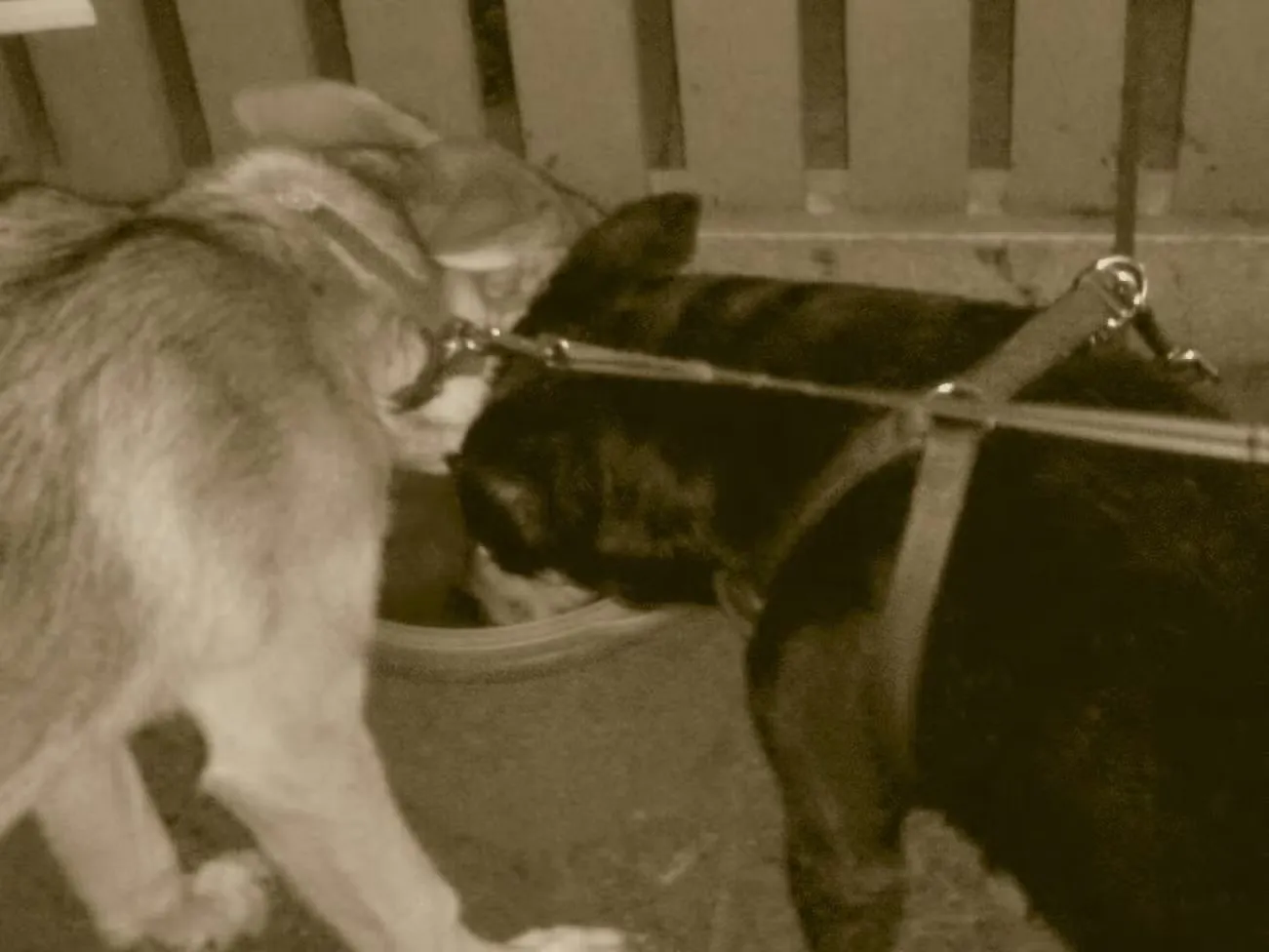
A wolf mix and a Blue Heeler sharing water.
Caring for a Wolf Mix Puppy
Wolf mixes mature much more slowly than domesticated breeds and aren’t fully mature until about three years of age. Their senses are somewhat heightened, with impressive sight, smell, and hearing. They are extremely athletic and have great endurance.
Loyalty and Protectiveness
On top of all that, wolfdogs are intensely loyal. They tend to bond with one person and stick to them faithfully. At times they can be protective, as they tend to be wary of strangers. Dezzy has definitely bonded with me—waiting outside the bathroom door while I shower and following at my heels everywhere. She has not yet shown protectiveness around strangers; instead she is more curious and eager to play. That may be because she is still a puppy, and it could change as she gets older. Keeping her in contact with people whenever possible will help her be more trusting later when she finally matures.
Separation Anxiety
Wolf mixes are also known for separation anxiety. Unfortunately for Dezzy, whenever we leave, we’ve had to tie her up to prevent her from literally destroying everything she can reach—which is a lot given her height. Slowly, we’ve been giving her more time to roam and have also worked at keeping things hidden so that eventually she can roam just like her buddy Bailey.
While we’re gone, she will not only tear and gnaw at everything, but she will also howl for the first twenty minutes to a half hour. Leaving for short periods and then returning has helped because she’s learning that we aren’t just abandoning her. Also, making sure not to make leaving a big deal by ignoring her rather than saying goodbyes before walking out the door is essential to letting her know that when I leave it shouldn’t be a big deal.
Training Tips
When training your puppy, make sure and be nice. No hitting or anything harsh. Keep in mind that their idea of submission when in trouble involves squatting and urinating. This is especially frustrating, but just remember that they are just a puppy and still learning. It takes a lot of time and patience, but they are smart and will understand what they need to do soon enough. Repetition is key, and providing treats for good behavior may help.
Do They Eat Dog Food?
Besides giving them plenty of exercise and training, wolf mixes have a diet that’s a little different from your regular puppy. They need a higher amount of protein and may actually go on binges, especially in September when the weather gets a little colder. Monitor their intake and feed them throughout the day rather than giving large amounts only once or twice a day.
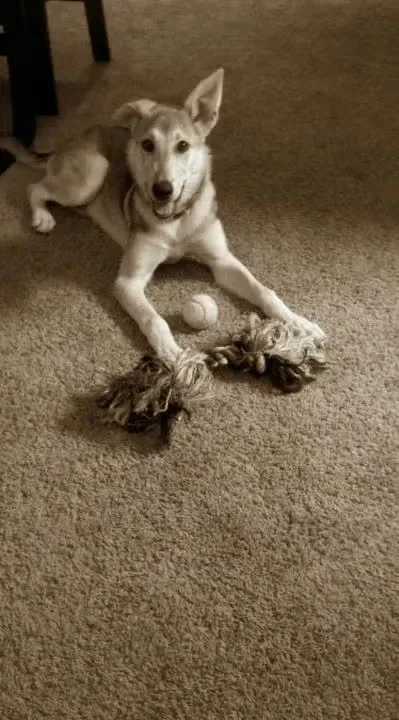
Some puppy toys.
Other Facts to Know About Your Wolf Mix
- If you travel a lot in the car, make sure to bring your puppy around as much as possible so they can get used to it fast. Usually, they will get sick, urinate, or defecate, so start with short rides and work your way up to longer ones. Most of them love to ride in the car, but it takes some getting used to first.
- When bathing them, never use soaps or shampoos. Some articles say to just brush them often while others suggest using a cream rinse instead.
- Keep in mind that they shed twice a year and that when they do it is a lot of fur. Just remember to brush them frequently and keep in mind that they’ll grow it back in a few months.
- Never let your wolf mix run loose. If you must, keep them in a fenced yard or pen, but remember that they are excellent diggers.
- The teething stage is tough. Dezzy will chew anything no matter how weird or unhealthy it is, and she will do it constantly. She began losing teeth about two weeks ago, and they’ve seemed to begin to grow in, but it has taken a lot of patience. Teething is uncomfortable and can be painful for dogs, so keep that in mind when this begins around four to five months old. Plenty of toys and things to gnaw on helps a lot. It lasts for two to three months, so it’s best to be aware of it and prepare ahead.
- Just remember to give them lots of love and patience. Your puppy has a lot to learn and many stages in life to go through. It’ll be tough, but it’s worth it just to have that companion that you know will always be there no matter what. If a wolf-dog mix is the type of puppy for you, then good luck!
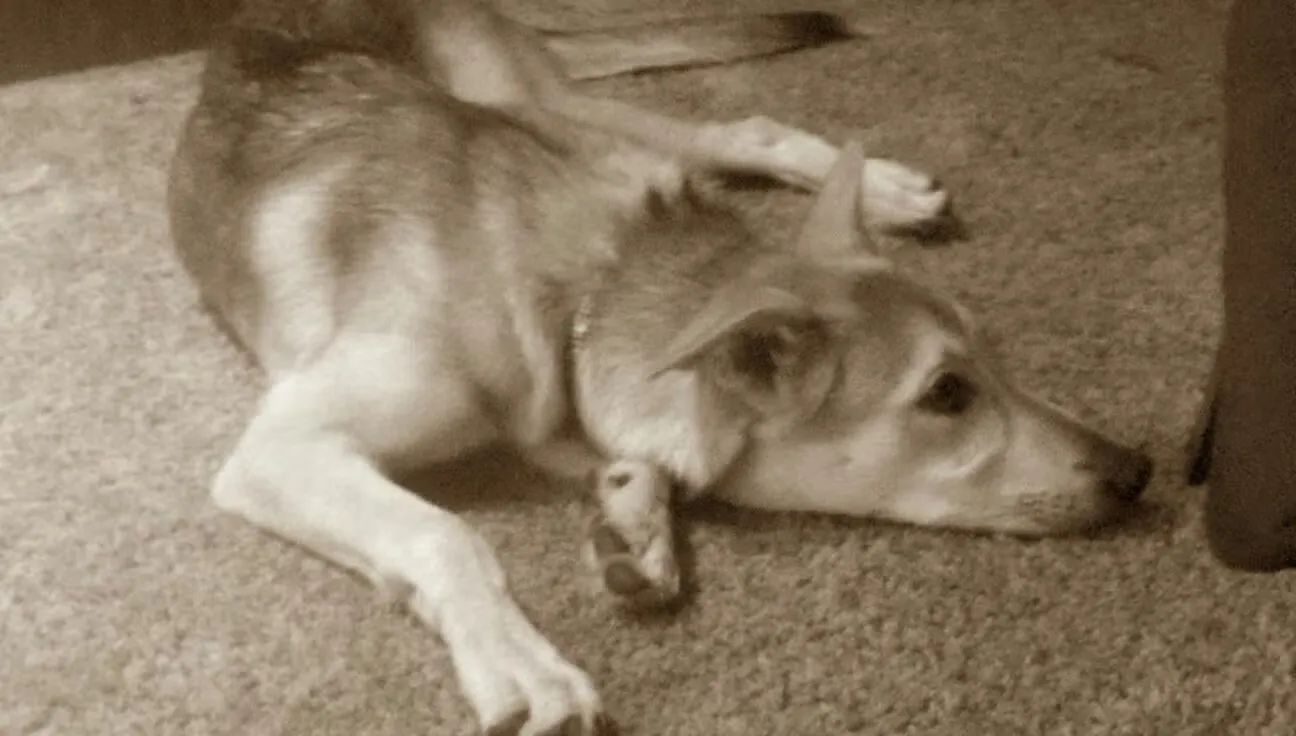
Tired dog (a rare occasion).