Belgian Tervuren: Traits, Care, and Breed Insights
Sage Miller
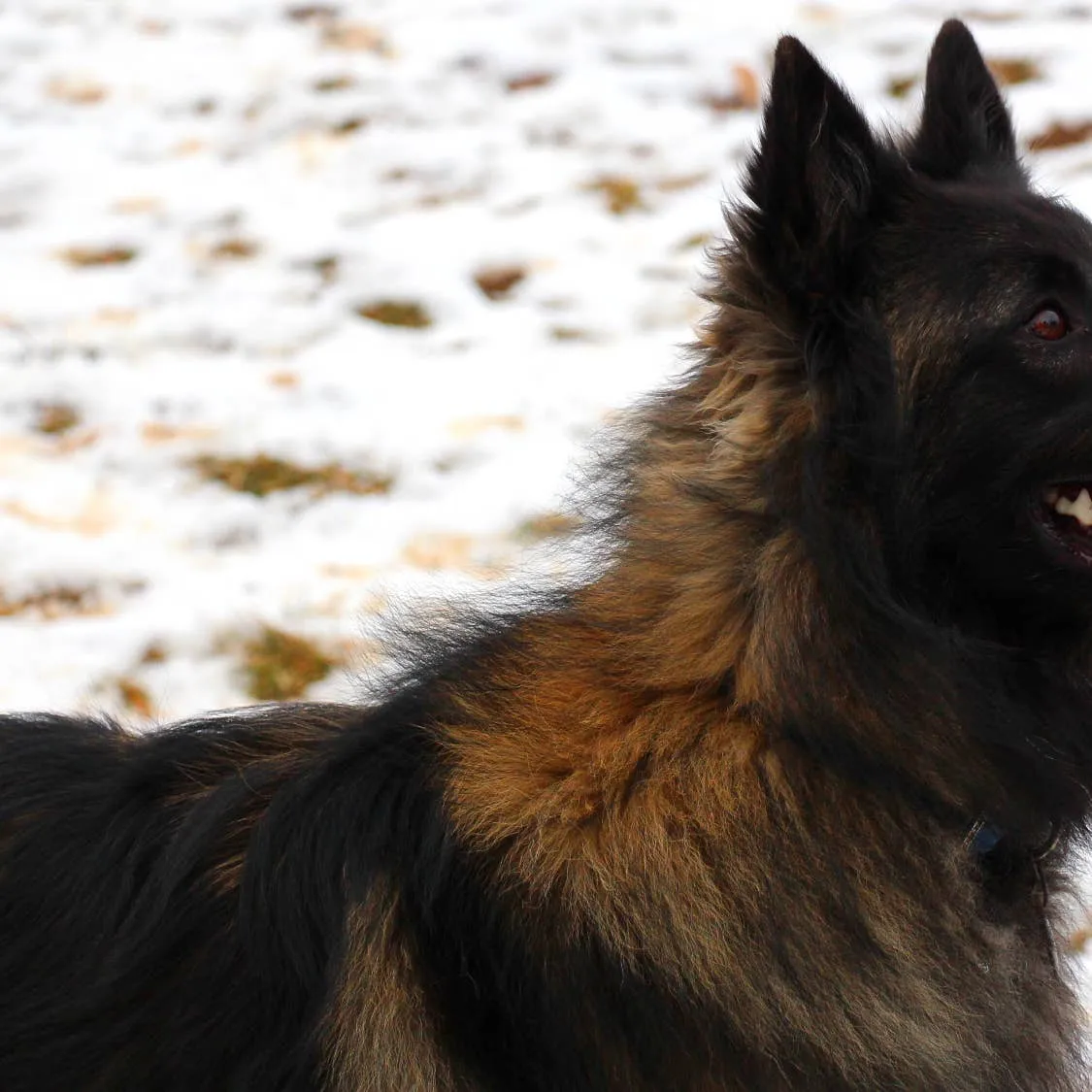
The Belgian Tervuren is one of four varieties within the Belgian Shepherd Dog group, easily recognized by its athletic, well-balanced frame and alert, pointed ears. Its most striking feature is a dense, long double coat that usually comes in rich fawn with black overlay. Bred originally in Belgium, this medium-to-large dog combines intelligence, agility, and a strong willingness to work, which makes it suitable for herding, agility sports, and search-and-rescue assignments. At the same time, the Tervuren is a devoted family companion that builds close ties with its people. Its natural watchfulness and protective instinct mean it often serves well as a guardian, and it tends to do best in active households that can meet its need for both mental and physical activity.
Origins and historical roles
The breed's roots go back to late 19th- and early 20th-century Belgium, where shepherd dogs were bred selectively for herding and guarding. The aim was a versatile working dog capable of handling different jobs and environments.
One family, four varieties
The Tervuren, Malinois, Groenendael, and Laekenois were at first regarded as a single breed. In the early 1900s, however, fanciers started to separate them according to coat color, coat length, and other physical characteristics. The Tervuren takes its name from the Belgian village of Tervuren, home to one of the early breeding programs. Breeders sought a herding and guarding dog with an elegant appearance and a strong work ethic; the long-haired coat in fawn and black became the breed's hallmark.
Wartime service
As time passed, the Tervuren became known for its intelligence and adaptability. During both World War I and World War II, these dogs served in roles such as messengers and search-and-rescue workers. Their trainability and versatility helped them succeed in tasks well beyond herding.
Modern standing
Recognition and popularity spread internationally, and today the Tervuren is appreciated both for its working skills and as a loyal companion. Breeders continue to stress responsible practices to preserve the breed's health, temperament, and working drives, so that it can keep contributing in a variety of roles.
Tervuren vs. Malinois
The Tervuren and the Malinois are separate breeds within the Belgian Shepherd family, both medium-to-large, with erect ears and athletic builds. They share origins, but the Tervuren has a long, luxurious coat in fawn and black, while the Malinois generally has a shorter fawn coat with a black mask. Both are intelligent and highly trainable and are often used in police work and search and rescue. The Malinois is frequently noted for its intense drive, especially in demanding tasks, while the Tervuren may be slightly more reserved in temperament.
Temperament and personality
The Belgian Tervuren is intelligent, alert, and loyal. It tends to bond strongly with its family and is often protective, which makes it an excellent watchdog. Tervurens are usually lively, energetic, and agile, with a keen work ethic. They are responsive and sensitive dogs that thrive on interaction with their human companions. Although generally affectionate, they can be reserved or aloof with strangers. Early socialization is crucial so they grow into well-rounded dogs that are comfortable in various situations.
Energy and work drive
A defining trait of the Tervuren is its high energy level and strong work drive. Bred as herding and working dogs, Tervurens have an inherent need for physical and mental stimulation. Without enough exercise and activities to channel their energy, they may become bored or even exhibit undesirable behaviors. Owners should be ready for regular, vigorous exercise such as long walks, runs, or playtime. Giving them tasks or jobs—obedience training, agility, or other mentally stimulating activities—is essential to keep them fulfilled.
Training and socialization
Training a Belgian Tervuren calls for a consistent and positive approach. These dogs are highly intelligent and eager to please, so they respond well to training. Their independent nature may also lead to stubbornness, so firm and patient guidance is necessary. Early socialization is vital for them to develop into well-mannered and confident adults. Exposure to various people, environments, and situations helps prevent excessive shyness or aggression. Obedience training should start early, and it's beneficial to incorporate positive reinforcement techniques like treats, praise, and play. Mental stimulation is equally important, as Tervurens thrive when given tasks that engage their intelligence and problem-solving abilities.
Grooming, exercise, and health
The Belgian Tervuren's thick double coat needs regular grooming to stay in optimal condition. The coat is dense and can be long, especially around the neck, chest, and tail. Regular brushing, ideally a few times a week, helps prevent matting and reduces shedding. During seasonal shedding, more frequent brushing may be necessary. Tervurens shed year-round but typically experience heavier shedding in the spring and fall. Attention should also be given to other grooming tasks such as nail trimming, ear cleaning, and dental care. Keeping the coat and skin healthy not only contributes to the dog's overall well-being but also helps maintain the breed's distinctive appearance.
Diet and exercise requirements
A balanced diet is crucial for the Belgian Tervuren's overall health, and the specific dietary needs can vary based on factors such as age, size, and activity level. Tervurens are an active and athletic breed, so their diet should support their energy requirements. High-quality dog food, appropriate for their life stage (puppy, adult, senior), is recommended. Portion control is important to prevent obesity, especially considering their high energy levels. In terms of exercise, Tervurens thrive on regular, vigorous physical activity. Daily walks, runs, playtime, and engaging in activities such as agility or obedience training are beneficial to keep them mentally and physically stimulated.
Preventing and managing health issues
Like any breed, the Belgian Tervuren is prone to certain health issues, and responsible breeding practices are crucial to minimizing genetic predispositions. Regular veterinary check-ups are essential to monitor the dog's overall health. Some health concerns in Tervurens may include hip dysplasia, elbow dysplasia, and progressive retinal atrophy (PRA). Screening for these conditions through tests recommended by veterinarians and breeders can help identify potential issues early. Maintaining a healthy weight, providing regular exercise, and a nutritious diet can contribute to overall well-being and reduce the risk of certain health problems. Additionally, responsible breeders should provide health clearances for the puppy's parents to ensure a healthier genetic background.
FAQs
How does the breed differ from other Belgian Shepherd breeds?
One significant difference is the Belgian Tervuren's coat coloration, which is typically a mahogany with varying amounts of black.
Are Belgian Tervurens high-maintenance dogs?
In terms of grooming needs, yes. Their thick, double coat requires regular brushing and grooming, especially during shedding season.
Are Belgian Tervurens good with children?
Yes, with proper socialization and training, Belgian Tervurens can be great family dogs. However, they are high-energy and not recommended for families with very young children.
Is the Belgian Tervuren prone to any particular health issues?
Like most breeds, Belgian Tervurens can develop common health issues, including hip dysplasia, elbow dysplasia, and eye problems. Regular veterinary check-ups can help manage these potential issues.
Is the breed suited for apartment living?
No, Belgian Tervurens are high-energy working dogs and require a lot of exercise and space to run and play. They are best suited for homes with yards or ample outdoor space.