Small Enough for a Cup? A Closer Look at So-Called Teacup Breeds
Logan Howard
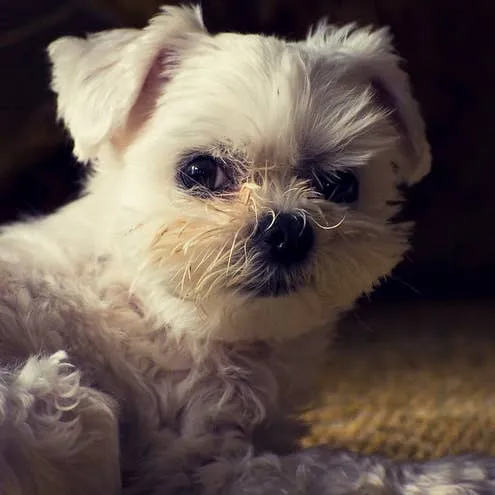
Defining the Teacup Dog
People rarely agree on what counts as a teacup dog, and some views directly contradict each other. The common working definition describes a dog small enough at birth to fit inside a teacup — in plain terms, an exceptionally tiny canine.
Other voices insist teacup dogs are not a real category at all, merely a fresh label attached to miniature, toy and pocket-size dogs that already exist. On this view, "teacup" functions as a marketing tactic aimed at selling more toy dogs, a segment that had lately fallen out of favor.
Toy Dogs and the Teacup Label
Centuries ago, toy dogs served as a mark of status. A toy dog — or a teacup dog, for that matter — runs at a body temperature of roughly 100 degrees Fahrenheit, so kings and lords kept these little animals to stay warm through winter. They were costly, too.
The reality sits somewhere in the middle. Of the teacup dogs advertised these days, about half are ordinary toy dogs or, in some cases, a runt of a standard breed. The remaining half genuinely are teacup dogs. Telling them apart comes down to having reliable information.
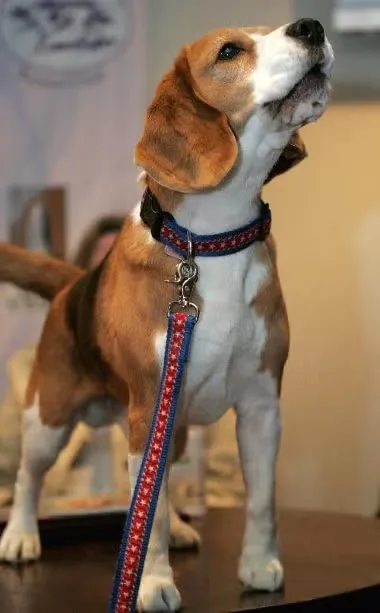
Teacup Beagles
1. Teacup Beagles
Teacup Beagles do constitute a teacup dog breed, though they remain somewhat controversial. Controversy aside, they exist, and a mini-Beagle can share your home if that is what you want. A few points are worth knowing before you decide.
How They Are Bred
Two distinct methods produce teacup Beagles.
- The first is inbreeding, or continuous inbreeding. Runts from two Beagle litters are paired in the hope that their offspring will be smaller; the process is then repeated with each new litter until a litter of "teacup" Beagles appears. The serious drawback is health: breeding the runts — the weakest, least healthy puppies in a litter — works against nature, and inbreeding raises the odds of passing on undesirable traits.
- The second method is less common and harder to achieve. It is crossbreeding, in which a Beagle is mated with a considerably smaller dog. Pair a Beagle with a Pomeranian, for instance, and the resulting litter is likely to be smaller than a Beagle yet larger than a Pomeranian. This approach is more scientific in character and less predictable than inbreeding, though where it succeeds it has been found to bring far fewer health problems.
Characteristics
- Beagles eat a great deal, so watch what food is left within reach at home.
- They are sensitive animals.
- Beagles enjoy walking and need plenty of exercise.
- They dislike cats (though which dog does not?).
- House training is hard with them, but a properly trained Beagle makes a wonderful pet.
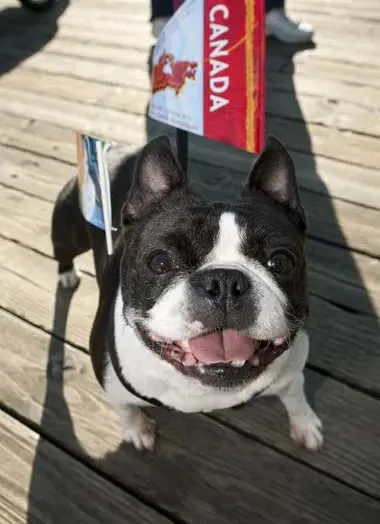
Teacup Boston Terrior
2. Teacup Boston Terrier
The teacup Boston Terrier is another recognized teacup breed, produced by the same methods described for the teacup Beagle. Typically it is smaller than the teacup Beagle, and it is also considerably healthier and longer-lived. That uncommon hardiness helps explain why it ranks among the most popular teacup dogs.
Characteristics
- They are highly intelligent.
- A Boston Terrier can turn very stubborn if training does not begin early.
- They are highly adaptable: with training they can become whatever you need, whether a guard dog or a solitary companion.
- Without proper housebreaking, they may develop what is called the Napoleon Complex, believing themselves larger than they are — which can lead to unnecessary fights.
- They are playful.
- They tend to bark at just about anything.
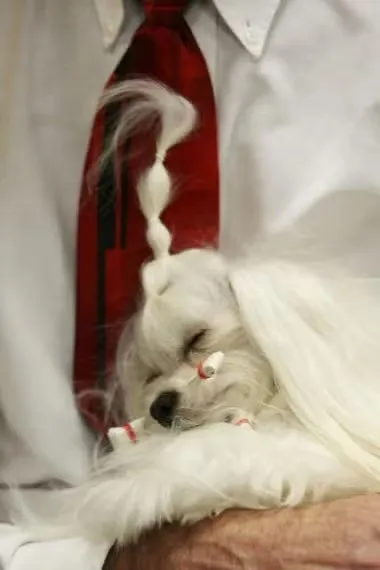
Teacup Maltese
3. Teacup Maltese
The earlier discussion of whether teacup dogs exist finds a clear illustration here. The Maltese is already a very small animal, belonging to the toy group that only a handful of dogs occupy.
It never exceeds 10 pounds and is seldom taller than a person's ankles. Health problems come more readily to it than to other dogs, and its life expectancy is in fact a few years below average.
Teacup or Toy?
Call the Maltese whatever you prefer; in truth it is both a teacup dog and a toy dog, and the names can be used interchangeably. If you want a very small companion that sheds less than most dogs — while accepting that health issues are more likely — the teacup or toy Maltese fits that description.
Characteristics
- They are very playful.
- The Maltese is highly teachable.
- They like pleasing their owner.
- This breed is very trusting and will not run away.
- Without proper training, they may bark excessively.
- They need extensive socialization.
- They are spirited animals.
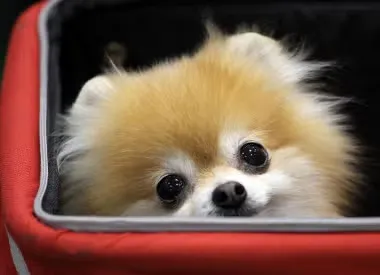
Teacup Pomeranian
4. Teacup Pomeranian
The teacup Pomeranian resembles the teacup Maltese in that classification involves a gray area. A Pomeranian, like the Maltese, is already a very small dog, and its physical profile sits right at the threshold of what a teacup dog would be: very small, not very tall, very light. Indeed, it shares many traits typical of teacup dogs.
What chiefly separates the teacup Pomeranian from other teacup dogs is that it needs no special breeding program — unlike, say, the teacup Beagle or teacup Boston Terrier. It is naturally small, which is to say it is a naturally bred teacup dog.
Characteristics
- Pomeranians are eager to learn when young.
- Training must be done carefully, or bad habits may take hold.
- They are very alert to their surroundings.
- Be firm and strict during training.
- They need a great deal of grooming.
Beyond the Main Four
Do teacup dogs exist, or are they a marketing trick? That answer is yours to give. What is certain is that some dogs advertised as teacups will not actually be teacup dogs. This does not mean the animal is not small or lacks the specifications of a teacup dog — only that it is a toy or miniature dog rather than some newly emerged breed.
Put another way, it may help to think of teacup dogs as dogs that have been around for hundreds of years, sometimes under another name, but always the same physical animal.
Which Other Breeds Are Called Teacup Dogs?
- Lab
- Chihuahua
- Husky
- Doberman
- Shitzu
- Yorkshire