Five Large Canine Breeds That Tend to Have Shorter Lives
Charlie Lewis
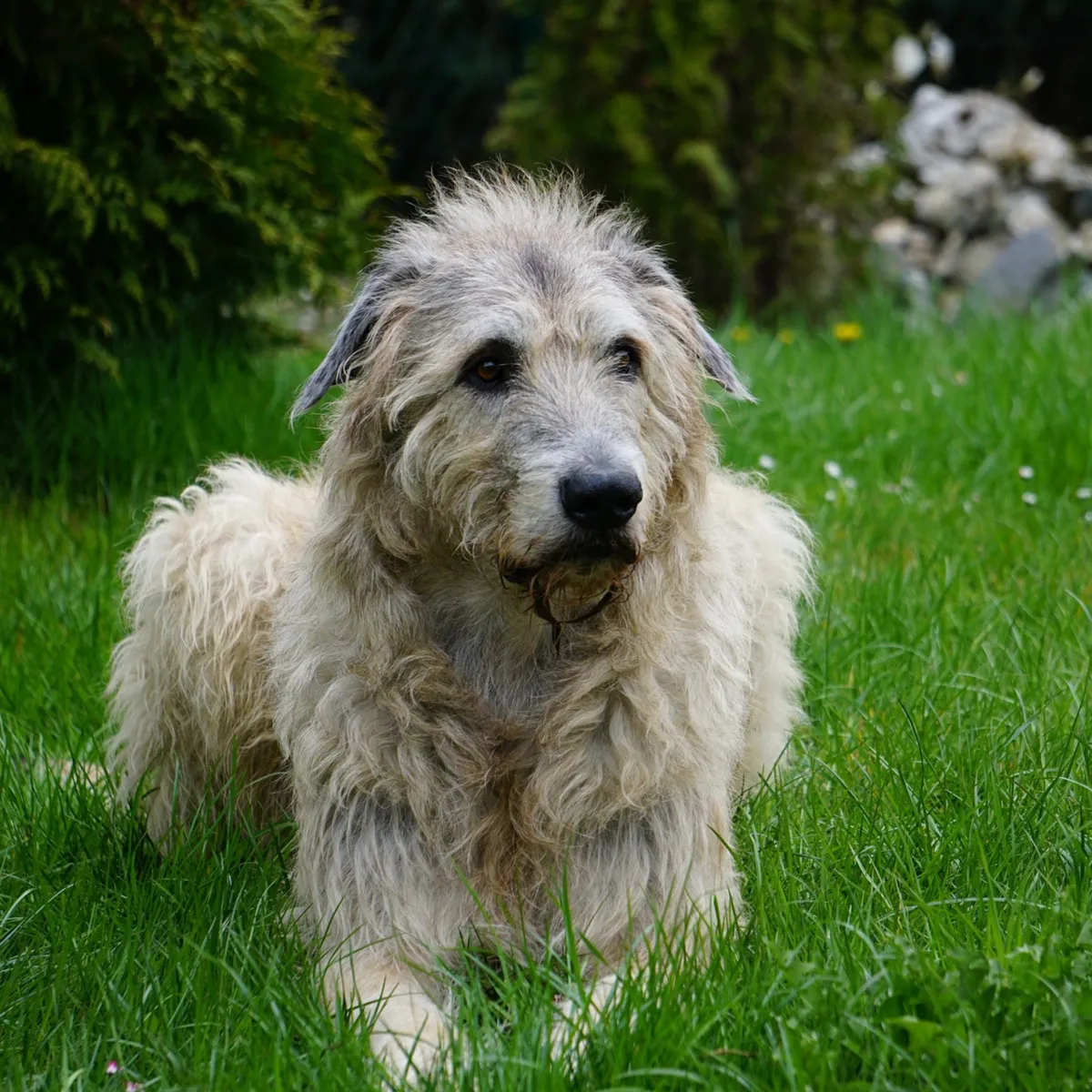
Breeds That Often Live Less Than a Decade
Many of these large dogs are cooperative and make wonderful pets, yet their lives tend to be notably brief. Most do not reach ten years of age, and a good number die considerably earlier.
1. Irish Wolfhound
Originally developed in Ireland for hunting wolves, this tall sighthound nearly vanished by the late 1800s. To rebuild a genetically diverse population, breeders crossed the remaining dogs with Great Danes, Scottish Deerhounds, and Borzois. The resulting program made the dogs more manageable to handle, but it did not yield a robust breed health profile.
Expected Lifespan of an Irish Wolfhound
While some Irish Wolfhounds have reached 13 years, the vast majority die much sooner—seven years or less. Only around 9% of them reach the ten-year mark. Common causes of death include dilated cardiomyopathy, bone cancer, bloat, and various less frequent conditions.
A twenty-year study on the breed's longevity, led by Gretchen Bernardi in collaboration with the University of Missouri, found that even after excluding all dogs that died from cancer, cardiovascular disease, and gastric torsion, the average lifespan did not improve significantly. The breed faces a broader set of health challenges beyond those specific illnesses.
Irish Wolfhounds almost always die too young.
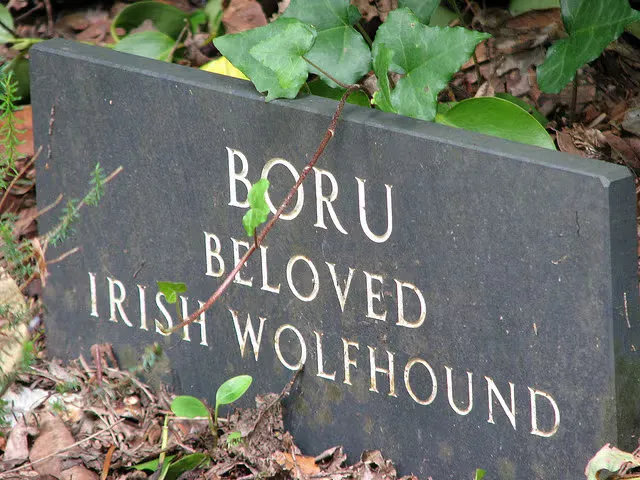
Irish Wolfhounds almost always die too young.
cc-by worldofoddy 1297327319
2. Great Dane
Though typically not as tall as the Irish Wolfhound, Great Danes are massive; the tallest dog on record was a Great Dane standing 112 cm (44 inches) at the shoulder. The breed was originally used to hunt boar and other large game, and their ears were cropped to prevent injuries.
Like many giant breeds, Great Danes are susceptible to hip dysplasia and bloat. They also inherit several heart conditions, including dilated cardiomyopathy.
Expected Lifespan of a Great Dane
Their typical lifespan is only 6–8 years, and just 17% reach ten years of age.
Featured Gallery
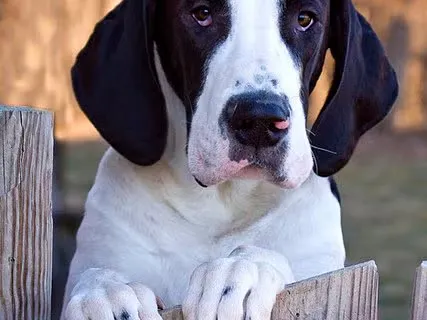
Most Great Dane puppies will not last ten years. cc-by gr8dnes 5256486213
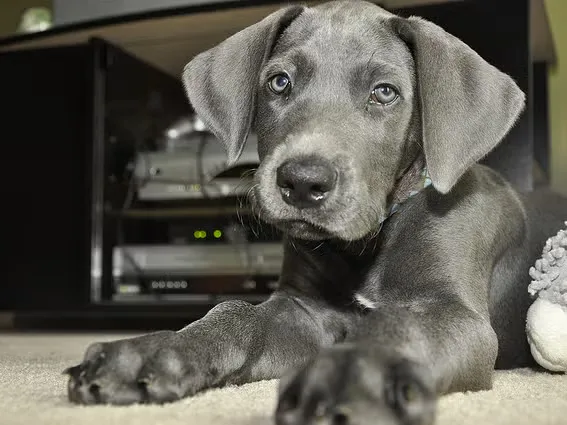
Great Danes die too young. cc-by jwillier 3906964747
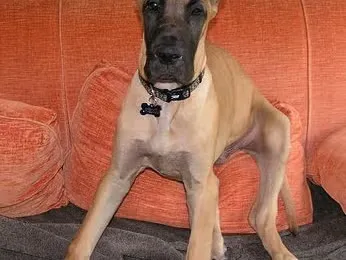
Great Dane puppy.
Featured Gallery
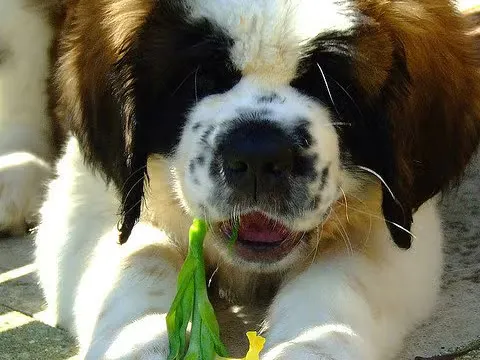
A St. Bernard puppy. cc-by fredsbabe 975811294
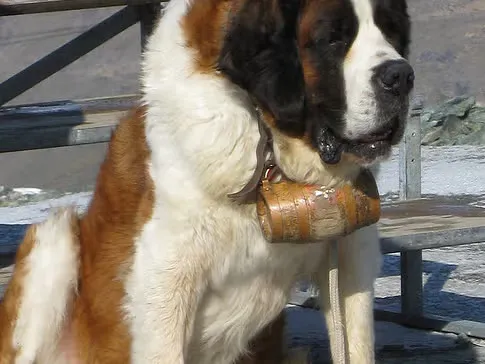
An adult St. Bernard. cc-by richjay 2911864956
3. St. Bernard
The St. Bernard is widely recognized as a rescue dog bred in the Alps. Their size leaves a lasting impression—they weigh between 60 and 120 kilos (140–250 pounds) and appear even larger due to their bulk and long coat.
Expected Lifespan of a St. Bernard
The average lifespan is generally reported as 8 to 10 years, varying by source. About 26% reach ten years of age. They face typical giant-breed issues such as hip and elbow dysplasia, and are also prone to a hereditary bone cancer (osteosarcoma), heart problems, skin conditions, and epilepsy.
Featured Gallery
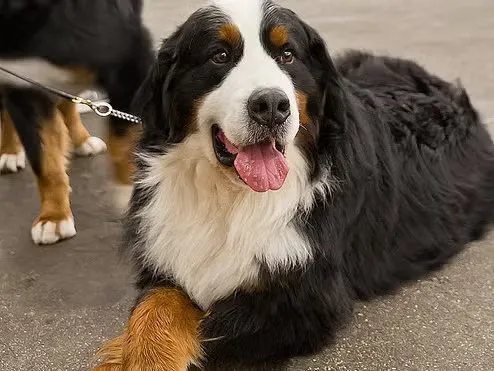
A Bernese calmly waits her turn. cc-by reijii 6794266173
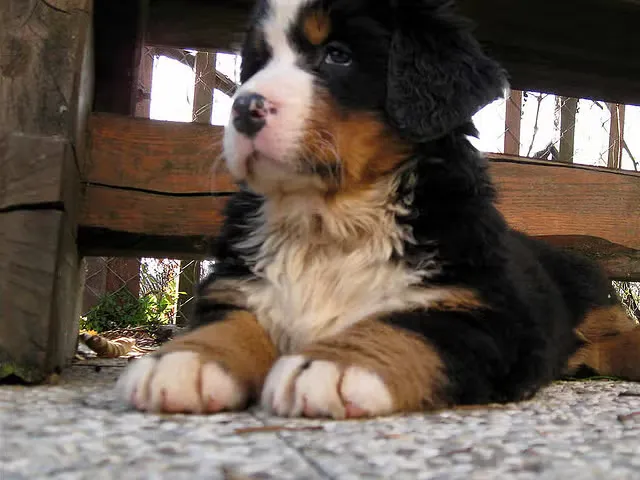
A Bernese Mountain Dog as a puppy. cc-by mitjamavsar 1967408339
4. Bernese Mountain Dog
This breed began as a farm dog, bred large enough to pull carts. They usually weigh between 40 and 50 kilos (about 85–110 pounds) and have a broad rather than tall build.
Expected Lifespan of a Bernese Mountain Dog
Their lives are far too short. A UK survey from 2004 followed hundreds of dogs; only one reached 15 years. The average is about 7 years, and only around 28% reach age ten. Some die from large-dog conditions like hip dysplasia. For a big dog, hip problems, a cruciate ligament tear, or arthritis can make it difficult to move in and out of the house. Bernese Mountain Dogs also develop several types of cancer that cause rapid decline.
Featured Gallery
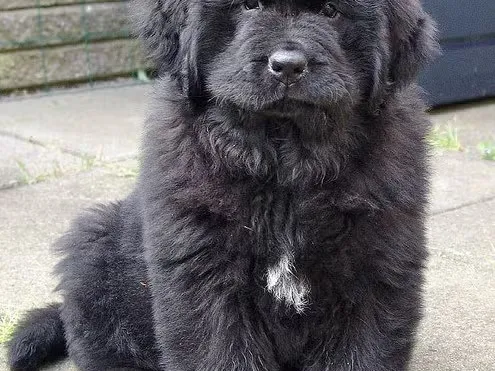
A Newfie at 8 weeks. cc-by dougbrown47 8301361857
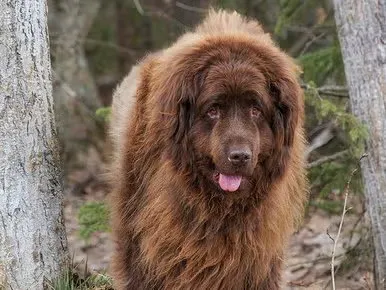
A brown Newfie weighing over 200 pounds. cc-by dougbrown47 7150946257
5. Newfoundland
Newfoundlands were originally bred to assist fishermen in Newfoundland, Canada, but today they are best known for water rescue, being patient with children, and serving as excellent companions. These dogs are large—many weigh over 50 kilograms (commonly around 120 pounds, but up to 200)—and their thick coats and broad bodies make them appear even bigger. They are calm and careful despite their size.
Why do they die so young? Some are simply prone to hip dysplasia, a condition common in many large breeds, but when a dog exceeds 50 kilos, helping her move around and climb stairs becomes challenging. Some also have elbow dysplasia, another musculoskeletal problem that would be easier to manage in a smaller dog. Newfoundlands can also develop a heart defect in which the heart valves do not function properly, leading to early death. Some have another inherited condition that causes bladder stones.
Expected Lifespan of a Newfoundland
One source (Wikipedia) reports an average life expectancy of 10 years, but only 38% of Newfoundlands live that long or longer.
Can You Do Anything to Extend Your Dog’s Lifespan?
Only about one-fourth of all giant breeds are still alive by their tenth birthday. Why? A report from Yahoo News described "stunning" research indicating that giant breed dogs die young because they age rapidly.
Are there steps you can take to help your dog live longer? Possibly.
- Feeding a high-quality diet may help, though there is no proof of this. Some giant breed breeders recommend a raw diet because commercial kibble often contains corn and other fillers.
- Keep your dog very lean. Longevity studies in humans show that thinner individuals live longer, and in dogs, one study found that a 25% reduction in feed kept dogs alive and healthier longer than dogs fed more. Their insulin levels are lower; this and other unknown factors may explain the longer lives.
- Provide supplements such as vitamin C and antioxidants.
- Build ramps and other aids to reduce joint stress and delay hip dysplasia symptoms.
- If your chosen breed is prone to cancer, you can try omega-3 fatty acids, antioxidants, and herbal supplements.
- A twice-yearly physical exam and blood screening may also help, as you are more likely to catch problems early and begin treatment while it can still make a difference.
- Besides disease and genetics, another important factor in a dog's potential lifespan is behavior. Dogs that act out tend to be surrendered to shelters, killed by animal control, or euthanized by a veterinarian.
- Choose a breed that lives longer. This option is not for everyone, but genetics plays a large role. If you do not want a dog that lives only six or seven years, select a breed known for longevity.
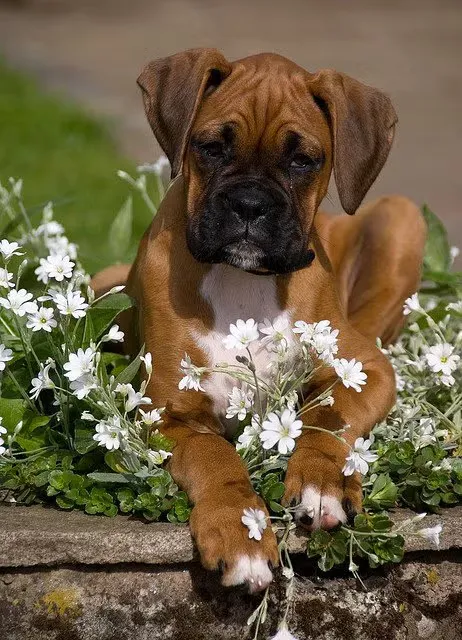
The Boxer, although not a giant dog, dies too young.
cc-by gatesee 2503452578
What About Boxers?
A breed not included in the top five is the Boxer. Anyone who has owned one knows that health problems are a major concern. Boxers are likely to develop cancer, circulatory conditions such as aortic stenosis and right ventricular cardiomyopathy, and more common issues like bloat, hip dysplasia, and hypothyroidism. They also suffer from epilepsy, eyelid problems, colitis, and corneal ulcers.
Expected Lifespan of a Boxer
The average lifespan for a Boxer is about 9 years; only about half reach age ten.
Questions & Answers
Question: Do Golden Retrievers die young or old?
Answer: Golden Retrievers, unfortunately, have a relatively short lifespan. Many are very healthy when young, then later suffer from obesity, arthritis, and cancer. If you are thinking of getting a Golden puppy and want to do what you can from the start, please look at:
Question: Scottish deerhounds die young. We have had three, and all died before they were five. The first died of heart failure, the second viral-mediated organ failure and the third from a heart attack after anesthesia for an MRI, which discovered inflamed blood vessels in her neck. She was only three. What is going on with deerhounds?
Answer: This breed has a lifespan similar to the Irish wolfhound. If you try to get another dog, you may find one that lives up to ten years, but most likely you will not. You can try the life-extending suggestions in this article, but even without heart failure and cancer most of the dogs die young.
Scottish deerhounds were one of the breeds used in the breeding program that brought back the Irish wolfhound.
Question: I have a female boxer who will soon be 10. She was diagnosed with stage 3 mast cell cancer. Is there any way you can say how long she will be with us? Is not eating the first symptom?
Answer: One thing you can do to improve her chances is feeding her a raw, high-protein diet. There are a lot of good suggestions out there from vets like Dr. Billinghurst. Not eating will be a problem later on, so if she does not want to eat her new diet just give her anything. No, I cannot tell for sure with a grade III mast cell tumor. Less than 10% of the dogs live more than five years, but as she is already ten that does not mean much. As far as a ramp, just make something at home with a sheet of thick plywood. You do not have to buy something from a pet store. Make sure the ramp has boards going across it so that she has adequate footing when she is climbing up into bed. I wish you the best of luck.
Question: I have 2 Newfoundland/Great Dane mixes. They love to be with us wherever we go. What is a good age to stop having our large dogs hike with us?
Answer: One of the major problems I see in giant breed dogs is obesity. They are too large, arthritis becomes a problem since they are so large and in pain, they do not want to go hiking, the owners cannot get them up and around, and eventually, they are euthanized. Your dogs are only too old to go for a hike when they are no longer willing to go. For a longer lifespan, keep them lean and exercise them as much as possible.