Briard Breed Profile: From French Farmyards to Family Homes
Finley Murphy
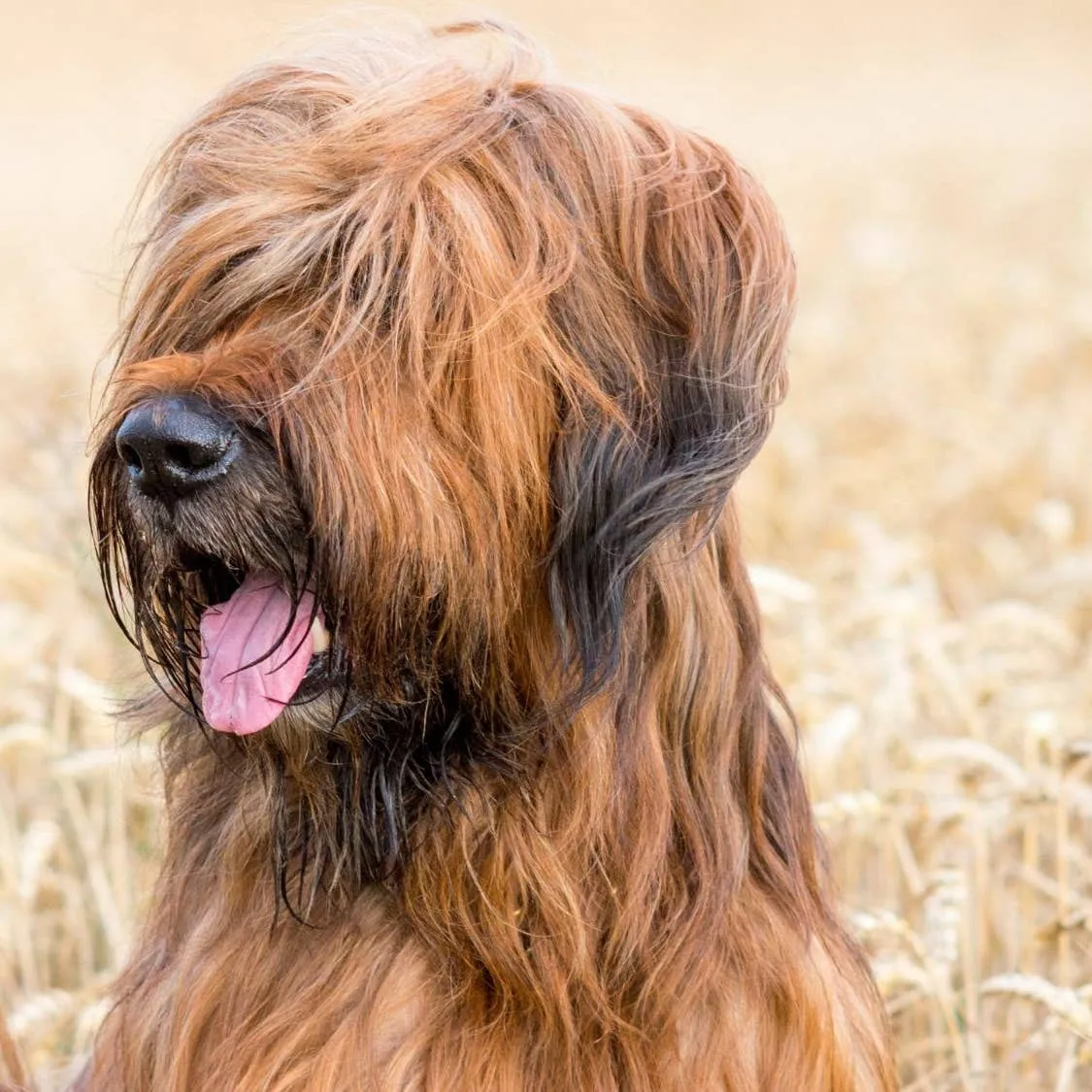
Getting to Know the Briard
The Briard is a striking and affectionate dog breed that traces its roots to 8th-century France. Known for a long, wavy coat, a solid build, sharp intelligence, and a protective streak, these dogs are also versatile, adaptable, and deeply devoted. That combination makes them well-suited to single adults, older individuals, and families with children.
This guide covers what it takes to live with a Briard, including breed standards, temperament, and everyday requirements. You will also find information on health issues—both major and minor—grooming needs, and exercise. Could a Briard be the right fit for your household? Read on to learn more.
What This Article Covers
- Breed traits and personality
- Day-to-day care
- Key health concerns
- Training and socialization
- Closing thoughts
- Common questions
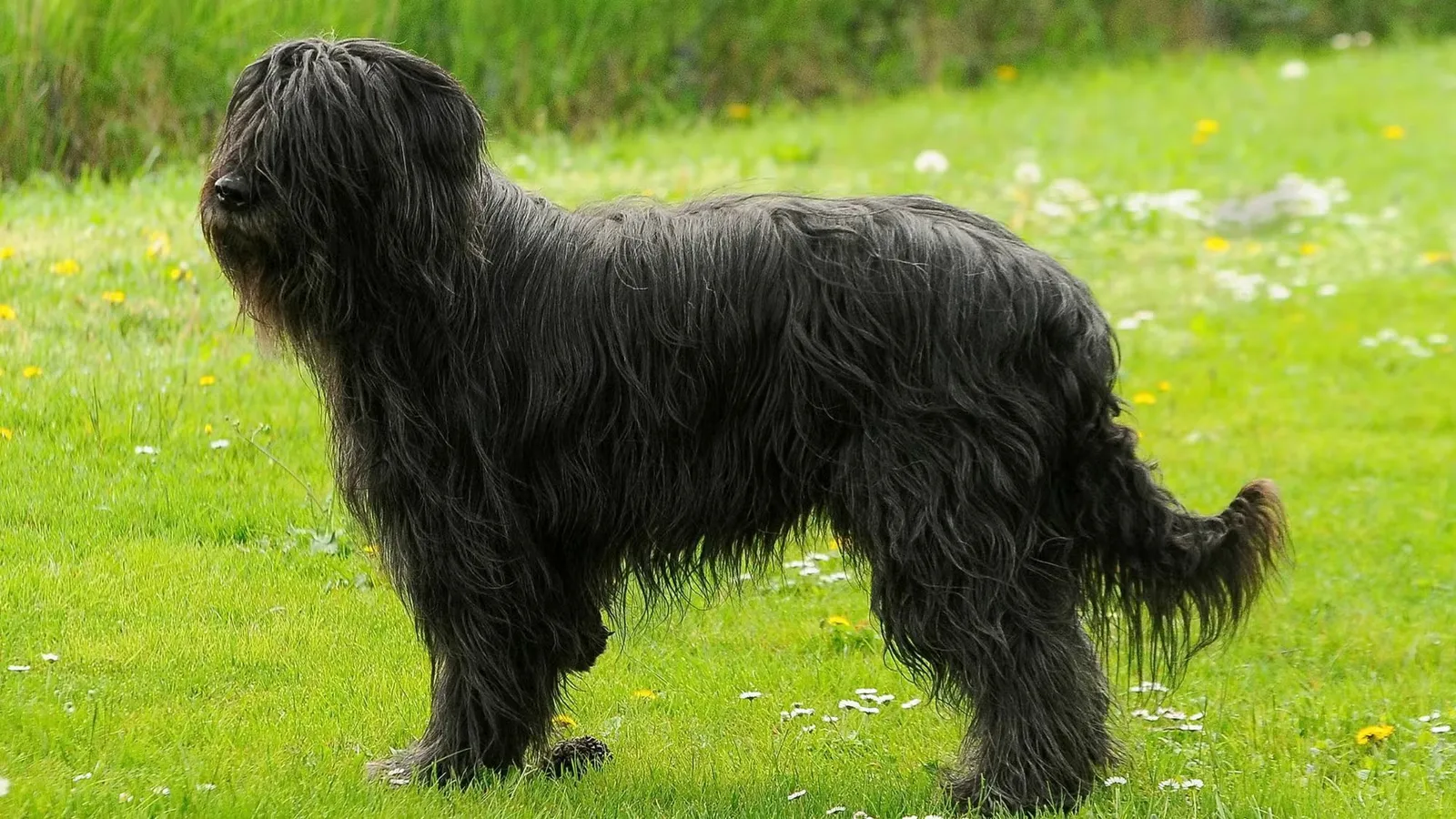
Among dogs, the Briard stands out as a truly distinctive breed, celebrated for its wavy coat, loving nature, and unwavering loyalty to its people.
Breed Traits and Personality
Dog lovers often consider the Briard one of the most unusual breeds around, thanks to its striking coat, memorable appearance, and one-of-a-kind character.
This section looks at the breed’s physical characteristics, using the American Kennel Club (AKC) standards as a reference. It also covers the temperament and personality traits that are typical of the breed.
Physical Characteristics and Coat
The American Kennel Club has developed detailed standards for more than 200 breeds over the past century, and the Briard is among them. Below are the breed’s most notable features:
- Size and build: Briards typically stand 23–27 inches tall at the shoulder. Weight should be in proportion to height, with most dogs reaching 75 pounds or more at maturity. The body should be strong and muscular, slightly longer than the dog is tall, with a broad chest and well-sprung ribs.
- Head and skull: The head should be well-proportioned to the body and appear flat—almost rectangular. Other features include a narrow, somewhat pointed muzzle, a moderate stop, and a square nose that is black or dark brown.
- Eyes: The Briard has dark, well-set eyes that are large and well-opened. Eye color is usually black or dark brown. Yellow or spotted eyes are considered major disqualifiers under AKC rules.
- Ears: Ears are set high on the skull, medium in size, and carried erect. They should feel thick and leathery at the tips, with a firm base.
- Tail: The breed is known for an uncut, well-feathered tail carried low. It often forms a crook at the end, similar to a J-shape. Extreme curvature is considered a major fault and should be checked by a veterinarian.
- Coat: One of the most distinctive features is the thick double coat. The outer coat is coarse and slightly wavy, while the undercoat is dense and fine. Common colors include combinations of black, gray, and tawny. White is permitted on the chest and toes.
- Gait: The Briard moves with a supple, light gait that is sometimes described as cat-like (AKC, 775). The dog should appear to cover ground effortlessly.
Temperament and Personality
Briards are known for natural intelligence, deep loyalty, and a protective streak. These confident dogs tend to form strong bonds with their families and make devoted companions. Their watchful, discerning nature and innate loyalty also make them effective guard dogs. Keep in mind that the breed is often reserved with strangers—both people and animals—so new introductions should be slow and gentle.
With loved ones, however, Briards are gentle and affectionate. They also have a playful, energetic side that suits families, including those with younger children. Because the Briard thrives on one-on-one interaction, it can be an ideal pet for a single adult.

Like many dogs, the Briard needs a significant amount of individual attention and care from its owner.
Caring for a Briard
Providing for a dog’s basic needs is central to responsible ownership. This section offers practical guidance on keeping a Briard well-cared for, with a focus on nutrition, exercise, and grooming.
Diet and Nutrition
Like most breeds, the Briard needs a balanced diet to support an active lifestyle and overall health. Owners should choose high-quality, protein-rich dog food appropriate for the dog’s age, size, and activity level. Make sure the food includes key nutrients such as omega-3 fatty acids, which are important for coat health and joint function.
Regular meals, portion control, and a consistent feeding schedule are essential to the Briard’s health and well-being. Portion control is especially important for this breed, since Briards love to eat whenever they can. If you are unsure about your dog’s nutritional needs, consult a veterinarian for personalized advice.
Exercise Needs
With a history as a herding dog, the Briard is an active and agile breed that needs regular exercise. Most experts suggest about 30–60 minutes of activity each day. This can include brisk walks, one-on-one play, light jogging, and interactive games.
Why Mental Stimulation Matters
Beyond physical exercise, Briards need activities that engage their minds, such as obedience training or agility work. This helps meet their energy needs and strengthens the bond between dog and owner. Try to shape routines around the breed’s natural herding instincts, and offer a variety of activities that suit its versatile nature.
Did You Know?
Historically, the Briard was a favorite among aristocrats and noble families. Some of the most famous owners included Emperor Charlemagne, Napoleon, and Marquis de Lafayette.
Grooming Tips
Grooming is another essential part of caring for a Briard. Unlike some dogs that need only minimal weekly upkeep, this breed requires regular attention to its wavy coat. Below are specific suggestions:
- Brushing: Brushing is one of the most important grooming tasks for a Briard. Because of the long coat, the dog needs brushing several times a week. Experts often recommend a slicker brush to help prevent mats. Pay extra attention to areas prone to tangles, such as behind the ears and under the legs. Regular appointments with a professional groomer are also advisable, especially for coat trims.
- Bathing: In addition to frequent brushing, regular baths are important. Bathe as needed or every 6–8 weeks, whichever comes first. Use a mild dog shampoo and avoid products made for humans. Dry the coat thoroughly afterward to prevent tangles.
- Nail care: Trim the Briard’s nails about every two weeks to prevent discomfort, painful tears, and overgrowth. Use a dog-specific trimmer or grinder, and make sure the nails are rounded with no visible cracks or jagged edges. Avoid cutting into the quick, which can cause severe pain.
- Ear cleaning: Inspect the ears weekly for dirt, debris, and excess wax. Remove any buildup promptly to avoid sores or painful infections. Use an ear-cleaning solution approved by a veterinarian.
- Eye care: Check the eyes several times a week for irritation or discharge. If you notice either, gently wipe with a damp, clean cloth. If the problem continues, contact the veterinarian right away.
- Dental care: Dental hygiene is often overlooked but is a key part of grooming. Try to brush the Briard’s teeth several times a week to remove food particles, tartar, and plaque. Dental chews or toys can provide additional care. Neglecting dental care can lead to bad breath, cavities, tooth decay, and gum disease, all of which can significantly affect the dog’s quality of life.

Over its lifetime, a Briard may face several health conditions, some more serious than others.
Major Health Concerns
Beyond basic care, owners should monitor their Briard’s health closely. Although these dogs are generally healthy, they can develop several conditions during their lives.
Some of these issues are more serious than others and can be fatal if not treated promptly. Regular veterinary check-ups are essential, because early detection offers the best chance of successful treatment. Here are the most common issues affecting the breed:
- Hip dysplasia: A genetic condition in which the hip joint does not develop properly. Without treatment, arthritis and mobility problems can develop. The condition is also very painful and can greatly reduce a Briard’s quality of life.
- Progressive retinal atrophy (PRA): A group of diseases that affect the retina, leading to its deterioration over time. Early symptoms often include night blindness. Over time, the condition can progress to total blindness. No specific treatment has been proven effective at preventing it.
- Hypothyroidism: Caused by reduced hormone levels from the thyroid. It is often linked to an autoimmune response and is one of the most widespread disorders in dogs (Coile, 179).
- Gastric torsion (bloat): A digestive issue involving the stomach. When bloat occurs, the stomach twists on itself, trapping contents and gases. Without treatment, gastric torsion can be fatal. It is commonly seen in large, deep-chested breeds.
- Cataracts: A clouding of the eye’s lens that can significantly affect vision over time. In extreme cases, it can lead to total blindness.
- Pancreatitis: Inflammation of the pancreas, often caused by poor diet, which can lead to serious digestive problems.
- Canine epilepsy: Like humans, dogs can experience recurrent seizures, many of which have no apparent cause.
- Allergies: Briards have sensitive skin and are prone to various allergies throughout their lives, often resulting in itching and skin irritation. If you notice these signs, schedule a veterinary appointment promptly.
- Osteochondrosis dissecans (OCD): A joint disorder affecting cartilage development. It is especially common in younger dogs.

Training and socialization are essential to the growth and development of a Briard. Here is why.
Training and Socialization
Along with regular health screenings, training is one of the most important parts of dog ownership. Without it, a dog is more likely to develop aggressive and destructive behaviors that can last a lifetime. This final section offers practical tips for training a Briard and for getting the most out of socialization.
How to Train a Briard
To train a Briard effectively, owners need to establish themselves as confident and consistent leaders. Whenever possible, use positive reinforcement, rewarding good behavior with treats and praise.
Briards generally respond well to mental stimulation, so include obedience training and interactive games in your routine. Keep sessions short, engaging, and varied to prevent boredom. With consistent training, affection, and positive reinforcement, you can help your Briard become a well-behaved, well-adjusted companion.
Socialization Tips
Socializing a Briard is essential for its growth and development, as with any breed. Experts recommend starting as early as possible, ideally during the puppy stage. Begin by exposing the dog to different people, animals, sounds, and environments.
Owners should also encourage positive interactions with other dogs and make sure their pet experiences a variety of stimuli. Gradually introduce new situations and reward calm behavior with treats and praise.
Regular outings, visits to dog-friendly places, and positive reinforcement can help a Briard become confident and well-adjusted. Patience and consistency are key to raising a well-socialized Briard that can navigate the world with ease.
Final Thoughts
The Briard is a remarkable breed, known for a rich history, a charming disposition, and an elegant appearance. New owners quickly discover that few dogs match the affection this breed shows. Combined with natural intelligence, loyalty, and versatility, Briards make excellent companions for a wide range of living situations and environments.
If you can meet their essential needs, this unique breed can bring great joy and love to your home. I hope this article has been helpful and informative. Thank you for reading.
FAQ
Are Briards good with children?
Yes, generally Briards do very well with children of all ages. Their loyal and gentle nature helps them form strong bonds with family members. As with all dogs, parents should always supervise a Briard around children to help ensure positive interactions.
How much exercise does a Briard need?
These dogs are moderately energetic and need a good amount of exercise. Ideally, they should get 30–60 minutes of exercise daily. This helps keep your pet happy, healthy, and content throughout its life.
What is the lifespan of a Briard?
On average, most Briards live 10–12 years. However, many can live beyond this range if they receive proper love and care throughout their lives.
Are Briards easy to train?
Yes and no. The breed is highly intelligent and trainable, but Briards can also be extremely independent and stubborn. Owners therefore need a great deal of patience and consistency during training. For best results, always use positive reinforcement techniques, which encourage the dog to be more receptive to training.
Do Briards have specific health concerns?
This breed is prone to several health issues during its lifetime. Some of these conditions are quite debilitating and potentially life-threatening. Common problems include hip dysplasia, progressive retinal atrophy (PRA), hypothyroidism, gastric torsion (bloat), cataracts, pancreatitis, canine epilepsy, allergies, and osteochondrosis dissecans (OCD). Regular veterinary check-ups and a healthy lifestyle can help manage these potential issues.
This article is accurate and true to the best of the author’s knowledge. It is not meant to substitute for diagnosis, prognosis, treatment, prescription, or formal and individualized advice from a veterinary medical professional. Animals exhibiting signs and symptoms of distress should be seen by a veterinarian immediately.