Senior Dog Urinating Indoors: Causes and Management Options
Sage Lewis
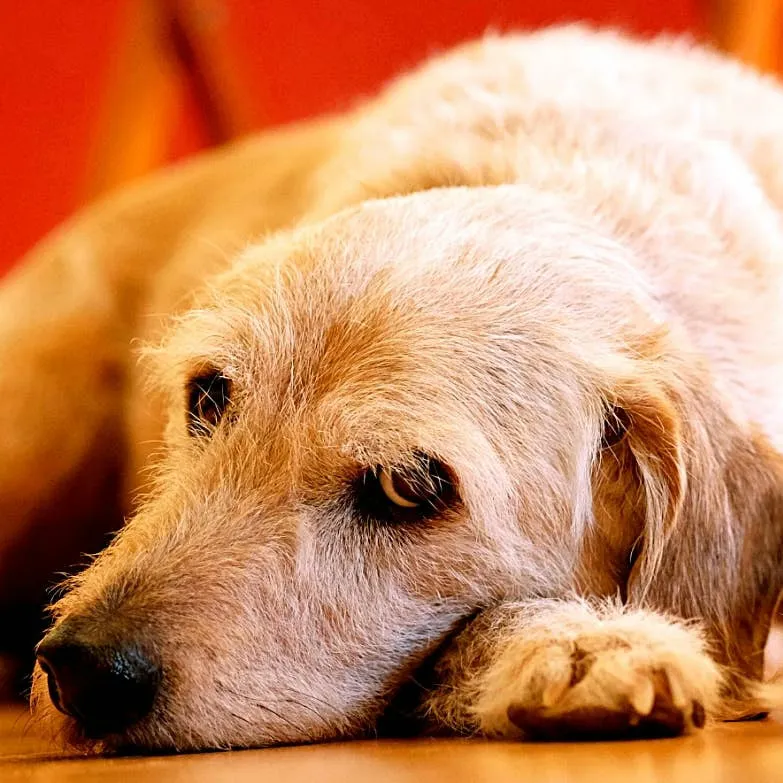
"My 14-and-a-half-year-old Havanese keeps peeing in our home. We are getting very tired of it. I bought disposable diapers, but she took them off. Is it cruel to have her euthanized?"
Before making any decisions, it's important to determine the underlying cause of her indoor urination. Once you understand why, you can then assess whether any interventions are possible. As you likely already know, there are numerous reasons why elderly dogs may begin to lose their housetraining and urinate inside.
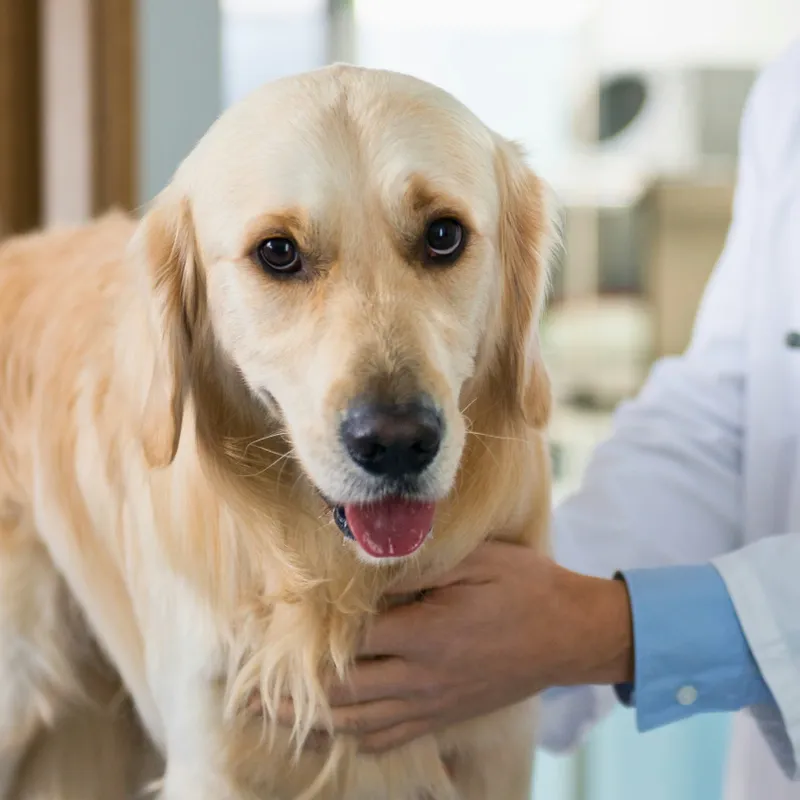
The first step is to have your veterinarian perform urine and blood tests to check for diabetes or kidney issues. If all test results are normal and she isn't dribbling urine, the most probable issue is dementia. Canine cognitive dysfunction occurs when dogs age and forget things, including their housetraining. This is definitely something to consider with a senior Havanese.
Related: 16 Signs a Dog Is Dying: What to Do When Health Declines
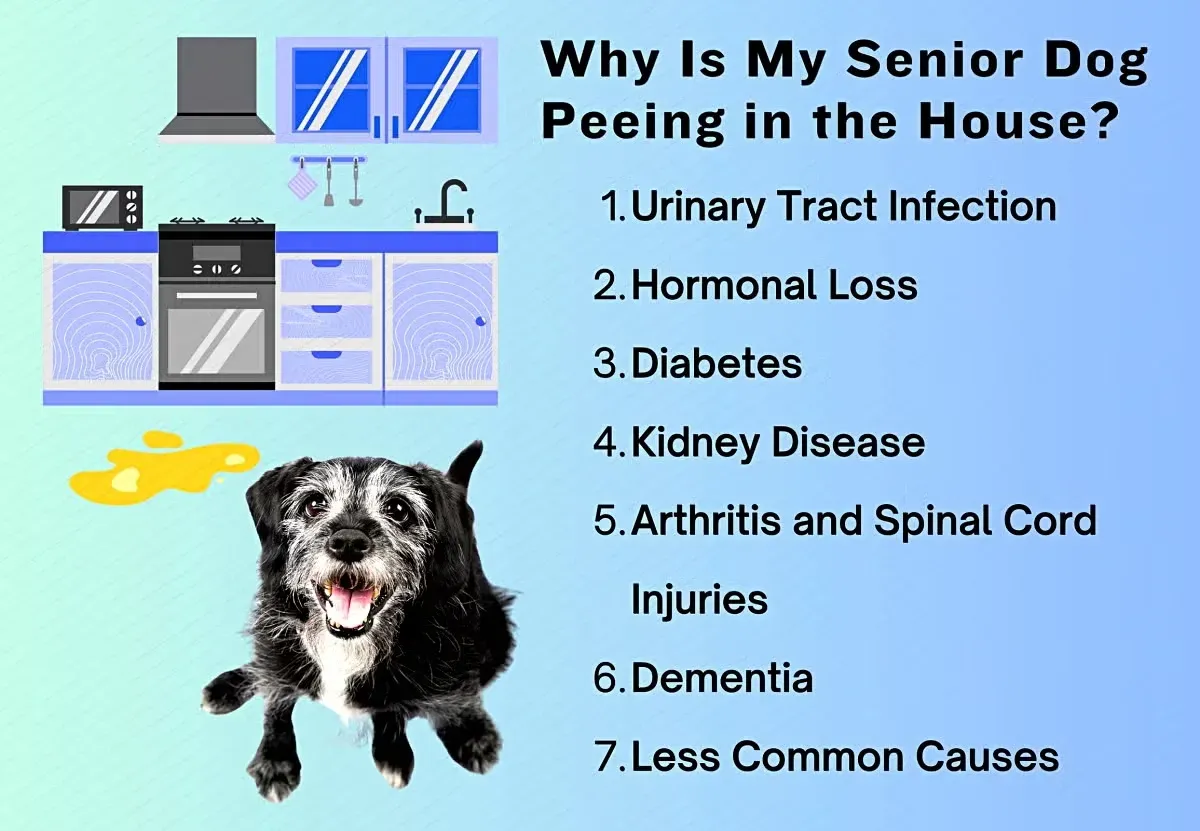
Here are several reasons why your senior dog is peeing in the house.
Canva.com/PhotoScape
7 Reasons Your Senior Dog Is Peeing in the House
1. Urinary Tract Infection
Dogs with a urinary tract infection feel an increased need to urinate. Some dogs will have dark urine or other signs of illness and, when paired with antibiotics and other treatments, this can clear up relatively easily.
2. Hormonal Loss
If she has lost bladder control secondary to a lack of hormones, she does not have any control over when she is urinating. The most common complaint we hear is that dogs dribble urine when walking around, and it can happen after being spayed and losing hormones, but sometimes it shows up years later.
There are medications that can help your dog hold her urine (1). If your dog is leaking urine in the house in this way and you cannot afford the diagnostics, there are natural remedies that may be effective.
3. Diabetes
This is an endocrine disease in which your dog is not able to produce enough insulin. Besides all of the other problems associated with diabetes (weight loss despite being hungry all the time, cataracts, weakness), dogs drink more, and their kidneys send more water to the bladder to remove all of the excess glucose. Since the urine has more glucose, it draws even more water into the bladder.
4. Kidney Disease
This is all too common in senior dogs, and since some dogs need to urinate more, they sometimes end up going in the house. It is not that they have to use the house, just that they cannot hold their urine and need to be taken out more.
5. Arthritis and Spinal Cord Injuries
If you notice that it is difficult for your dog to crouch to urinate, she may have back pain and be reluctant to go when out for a walk since it is painful. Dogs with pain when crouching will wait until their bladder is so full that they cannot wait any longer and dribble urine or pee in the house.
If this is the case, your dog can be put on arthritis medications, but in some cases, as with a spinal cord injury, researchers recommend that the bladder be emptied manually every 6 hours (2).
Related: Vet-Approved Home Treatment for Senior Dogs With Arthritis
6. Dementia
This is a very real possibility because of her age. There are many other signs, but one thing families notice first is that dogs urinate in the house.
7. Less Common Causes
Less common causes of urinating in the house—e.g., Cushing’s disease and myelopathy—can often be found with a physical exam and bloodwork.
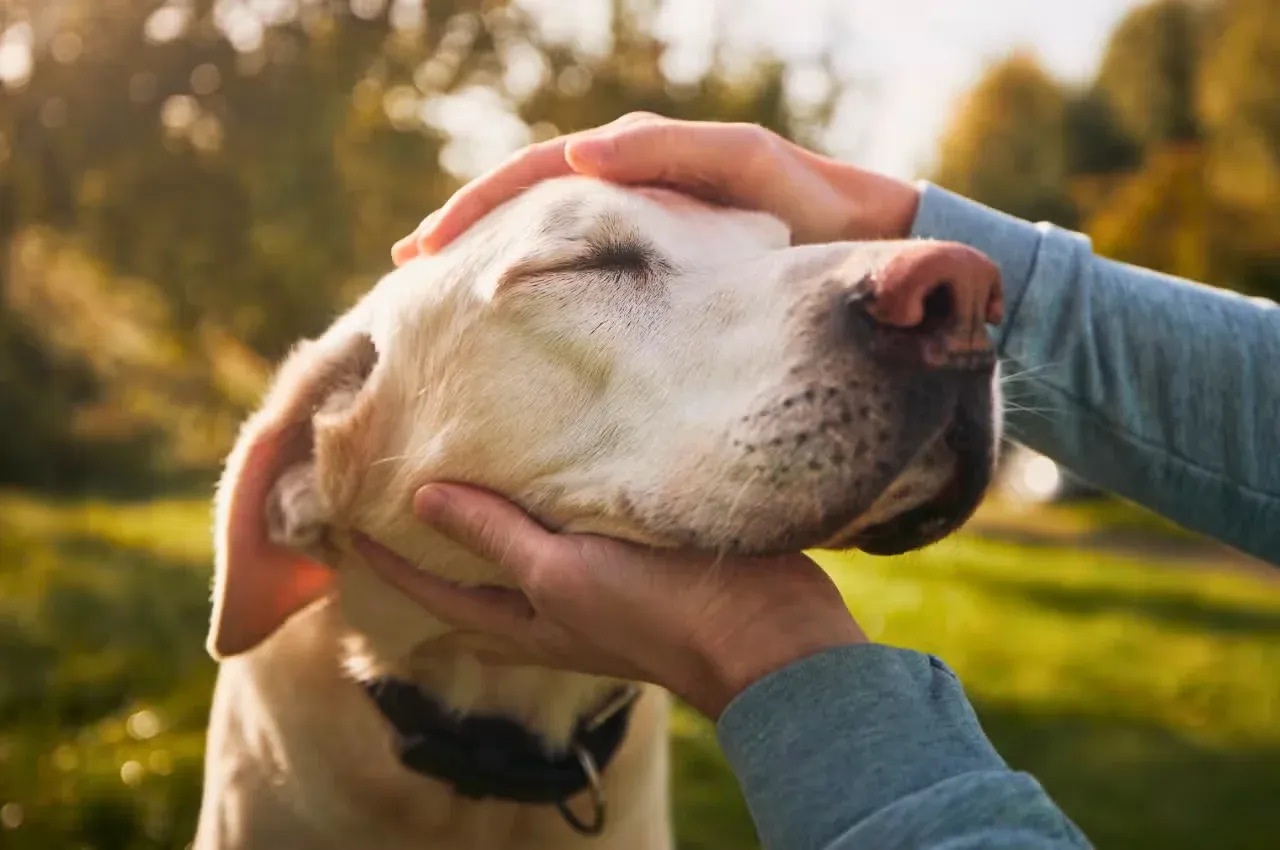
Dementia in dogs, or canine cognitive dysfunction, is a common cause of incontinence and peeing in the house.
Photo by chalabalaphotos, Canva
Are There Medications for Dementia?
Anipryl (selegiline) is a medication that is labeled for this problem, and you can discuss this when she is having her exam. It is not a cure and does not always work, but it has few known side effects (at least according to the manufacturer), so you may want to give it a try. It may take about 8 weeks before you start seeing results.
There are other medications to help her sleep if she is waking up in the middle of the night and urinating in the house.
Related: Can You Switch a Senior Dog to a Raw Diet?
Can Dementia Be Treated at Home?
If the urine and bloodwork are normal and you do not want to put your dog on medication, you can try these changes:
- Switch her to a homemade, whole-food diet. This should be the cornerstone of her treatment. Dogs suffering from dementia are deficient in fish oils, have low vitamin B6 and B12, and have oxidative stress problems in their brains. A homemade, whole-food diet formulated to help with those problems is the best thing for her—every dog, really. You can find a recipe for a homemade diet here.
- Provide additional antioxidants and omega-3 fatty acids. If your dog does not want to eat a whole-food diet, or you do not have time to make it for her, you can give her additional antioxidants and omega-3 fatty acids instead of treats or table scraps. Some of the foods you can give her include canned sardines or salmon fish oil, blueberries or other fruit with antioxidants, and MCT oil on top of her regular food.
- Take her for shorter, but more frequent walks. Your dog can probably not handle long walks but will benefit from being taken out more often. Even dogs with dementia appreciate a “sniff walk,” so if you have time, go slowly and let her explore the environment.
- Provide more mental stimulation. You can train her by teaching her the basics or new tricks. Seniors with early dementia can still learn, and learning may be one way to delay her decline.
- Do not confuse her. Just moving the furniture can be enough to cause your dog to start urinating in the house if she has dementia. Make a schedule for feeding, walking, etc., and stick to it.

Though the last of last resorts, euthanasia can liberate a dog in pain.
Canva.com/PhotoScape
When Is It Time to Have Your Dog Euthanized?
If all the tests for the diseases I listed above come back negative and your dog has dementia, in the next year or two she is going to be constantly upset from being lost and might cry excessively when she urinates in the house. At this time, she will no longer have a good quality of life. You will have to consider what to do at that time.
Please don’t forget that your dog served you loyally and without question for years. Now it’s your turn to serve her. She knows she’s “doing wrong,” but doesn’t understand why. If you think you’re tired of her mistakes, how do you think she feels? As she heads toward the Rainbow Bridge, your job is to love her without question and make changes around the house for as long as it’s practical. Best of luck.
Sources
- Lane IF, Westropp JL. Urinary incontinence and micturition disorders: pharmacologic management. In Kirk’s Current Veterinary Therapy, 14th ed. St. Louis, MO: Elsevier, 2009;955-959.
- Granger N, Olby NJ, Nout-Lomas YS; Canine Spinal Cord Injury Consortium (CANSORT-SCI). Bladder and Bowel Management in Dogs With Spinal Cord Injury. Front Vet Sci. 2020 Nov 11;7:583342. doi: 10.3389/fvets.2020.583342. PMID: 33263015; PMCID: PMC7686579. i.nlm.nih.gov/articles/PMC7686579/