Why Does Your Dog Wake Up to Poop at Night?
Sage Lewis
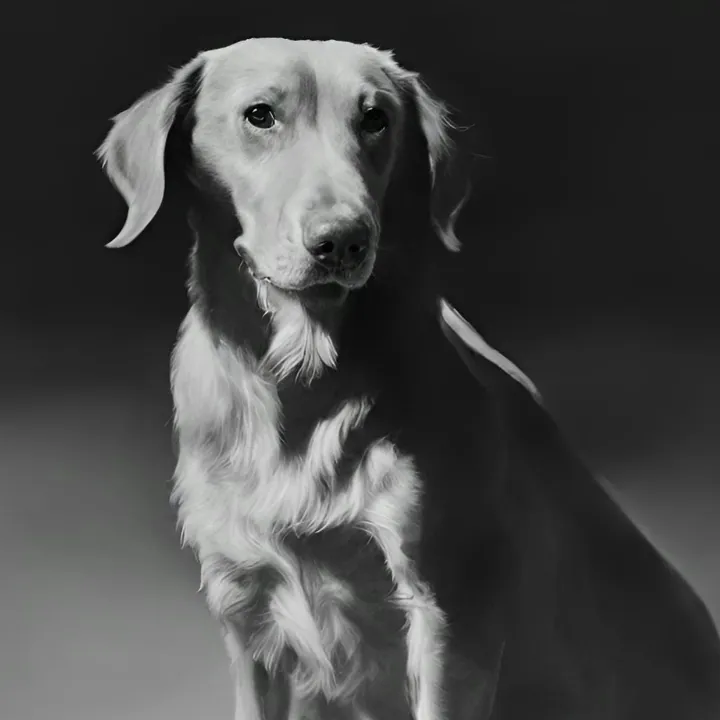
If your dog is rousing you from sleep to go outside for a bowel movement, you might feel a range of emotions from irritation to worry—and maybe even question if something is medically wrong. This change in your dog's elimination habits can be puzzling, especially if they were previously reliable.
For puppies, you might feel like you've taken a step back after early successes in holding it overnight. For adult dogs, you might wonder if stress, illness, or intentional behavior is at play. The reasons for nighttime pooping can vary. To effectively resolve this issue, it's crucial to pinpoint the root cause. Once identified, solutions may involve tweaking your dog's schedule, reassessing their diet, and potentially seeking professional help.
In This Article
- Why Does My Dog Need to Poop at Night?
- The Power of Reinforcement
- Do Dogs Revenge Poop?
- How to Stop a Dog From Pooping in the Middle of the Night
- What if My Dog Wakes Up to Poop in the Crate?
Related: Why Your Dog Has Started Pooping in the House & How To Stop It
Why Does My Dog Need To Poop at Night?
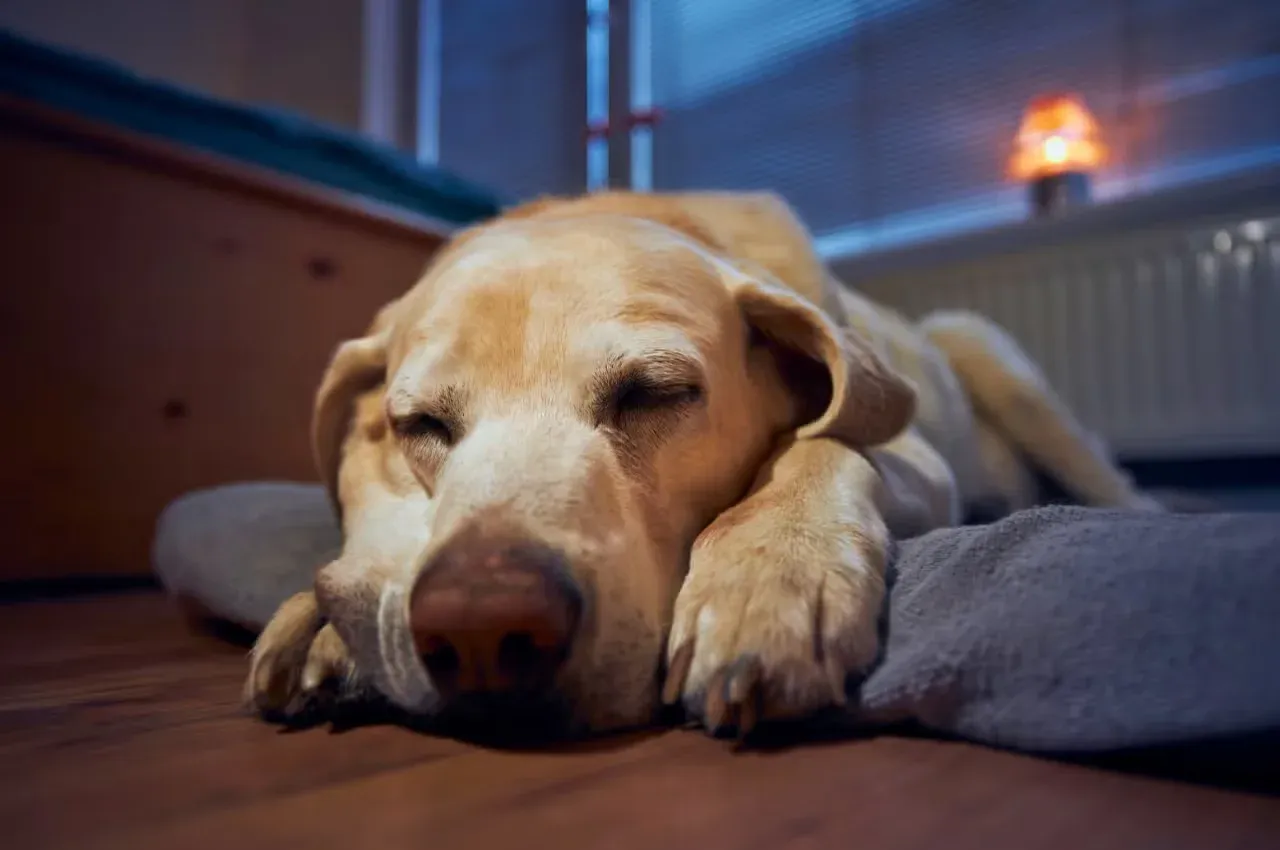
Your dog may be pooping a lot at night for several reasons, including medical concerns, dietary changes, stress, the natural aging process or other factors.
chalabalaphotos via Canva Pro
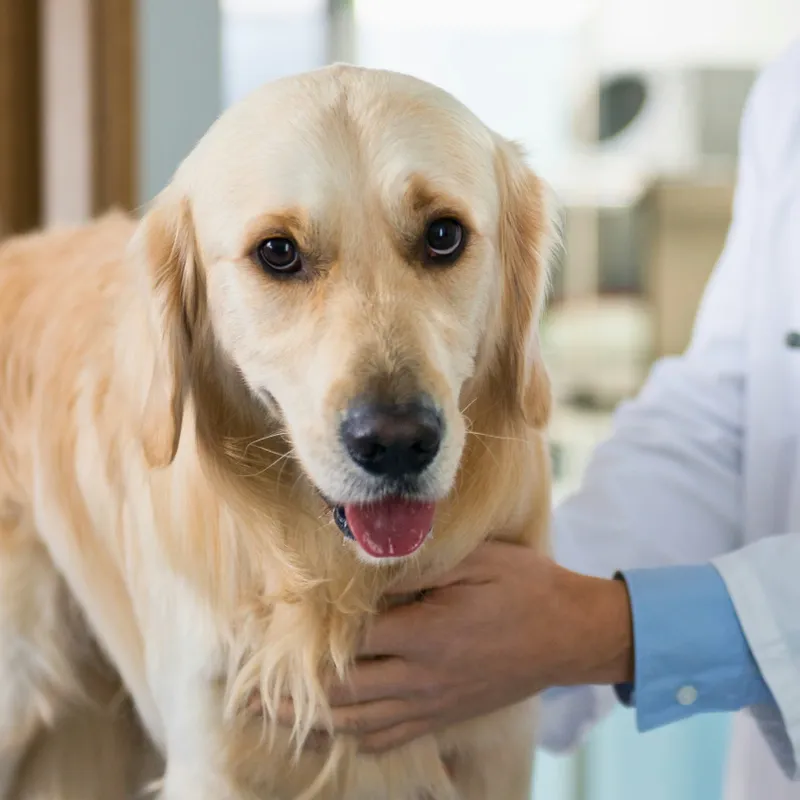
There are multiple reasons why a dog might wake up in the middle of the night to poop. If your dog appears sick or has diarrhea, it's best to consult a veterinarian promptly for proper diagnosis and treatment.
1. Medical Issues
Medical problems are often the primary suspects when a previously house-trained dog suddenly has accidents or asks to go out at night. Your dog might have ingested something unusual in the yard, or a new treat might not have settled well. The causes of increased urgency are numerous and can include dietary indiscretions, food changes, parasites, gastrointestinal disorders, and even systemic conditions. If your dog has started pooping at night, a vet visit is a good first step to rule out underlying medical issues.
2. Drastic Dietary Changes
Most dog food bags advise a gradual transition to new food, and for good reason. Sudden dietary changes can upset a dog's stomach, leading to increased urgency and soft stools or diarrhea. To be safe, introduce new food slowly by mixing increasing amounts into the old diet over at least a week. This allows the digestive tract to adjust, according to board-certified veterinary nutritionist Dr. Deborah E. Linder.
3. The Impact of Stress
Stress can also cause digestive upset in dogs. It may arise from anything that disrupts routine and makes the dog anxious, such as travel, moving, severe weather, or frightening noises.
4. Not Being “Empty”
Another reason for nighttime pooping is that your dog may not have fully emptied their bowels during the last potty break. Many owners send their dogs out before bed, but dogs don't always poop then. For instance, your dog might be distracted or rush back inside due to cold, rain, wind, or snow, leading to a sudden urge later at night.
5. Routine Changes
Changes in feeding times or extra evening treats can also be a factor. Some dogs struggle with seasonal light changes. All of this can cause a dog to need to poop later at night. For free-fed dogs, predicting when they'll need to go is difficult.
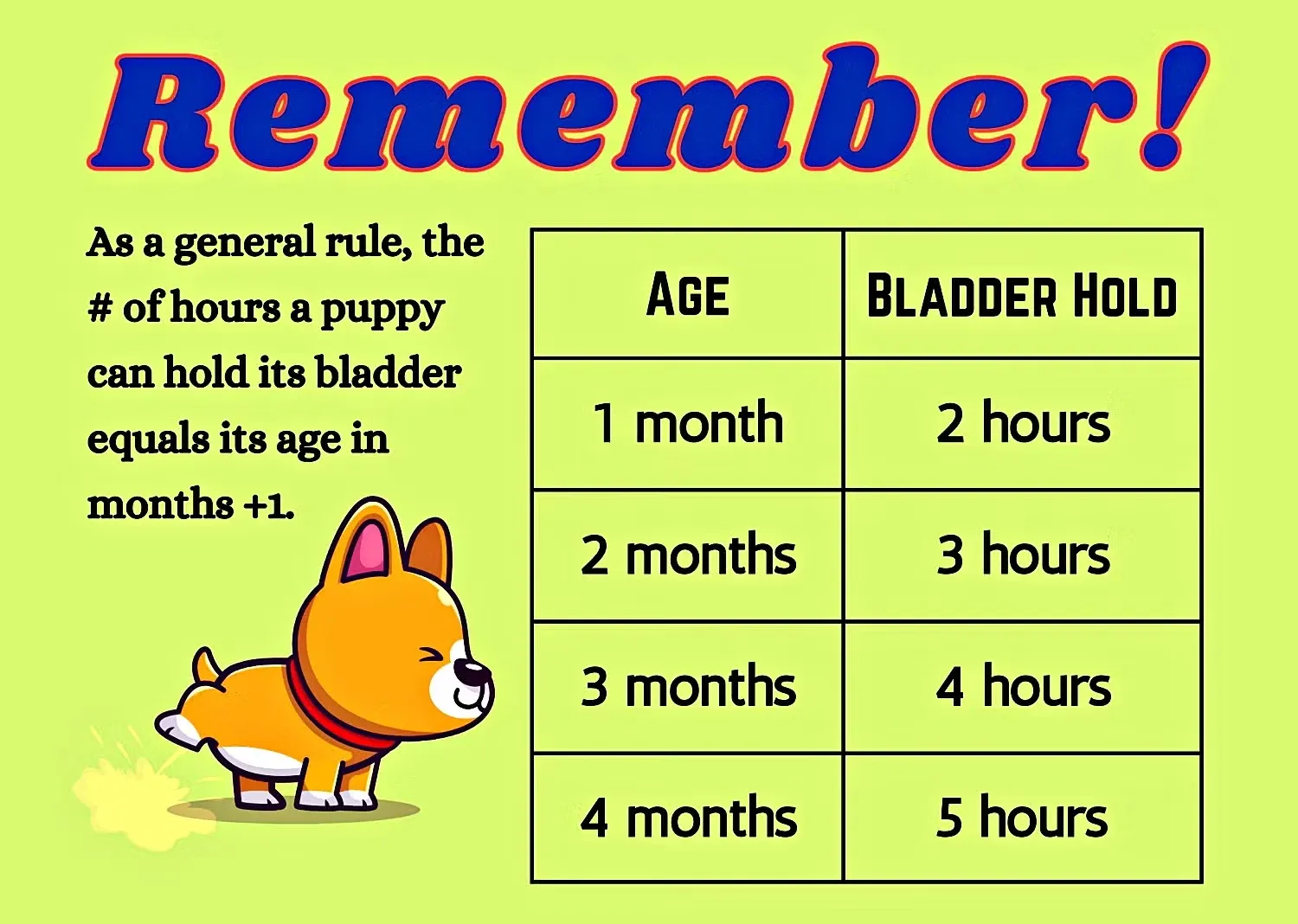
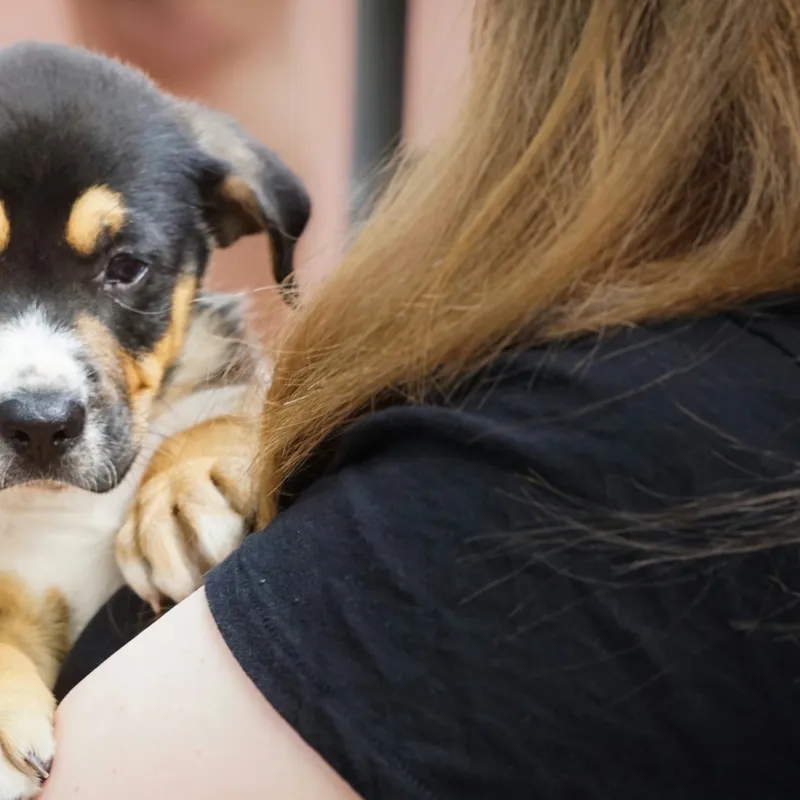
As a general rule, the number of hours a puppy can hold its bladder equals its age in months plus one.
Canva.com/PhotoScape
6. Lack of Bowel Control
Puppies may lack sufficient bowel control to hold it through the night. It's normal for puppies to wake up to pee and poop. You might need to set an alarm to take them out. As they develop, things improve. Eventually, you can delay the nighttime trip to early morning, and later they may hold it until morning. Generally, puppies don't have enough muscle tone for bowel control until 5 to 6 months old. However, variations exist; some may sleep through at 4 months, others may still need a nighttime trip at 8 months.
6. The Aging Process
As dogs age, physical and cognitive changes occur. Older dogs may have slower digestion and develop fecal incontinence, leading to accidents. Painful joints can make going outside to squat painful. In some cases, cognitive dysfunction, similar to Alzheimer's in humans, can cause disorientation, altered sleep-wake cycles, and accidents.
7. Something Is Waking Your Dog
Your dog might be awakened by nocturnal critters. If they hear or smell them, they may wake up, pace, and ask to go outside, then happen to poop while investigating.
The Power of Reinforcement
Reinforcement is a term used to describe the process where the probability of certain behaviors increases in the future, regardless of consequences.
Canva.com/PhotoScape
Regardless of the cause, reinforcement plays a role. Reinforcement means that a behavior becomes more likely because it feels good. When a dog poops, whether outside or inside, the act relieves discomfort, reinforcing the behavior. This is why accidents can lead to potty-training regression. Early intervention is key because the more a dog poops at night, the more likely it becomes a habit.
Related: When Can My Puppy Go Outside To Potty Train?
Do Dogs Revenge Poop?
You might wonder if your dog is pooping out of spite, but dogs don't do that. “I really don’t think dogs view the products of their elimination as despised trump cards in revenge operas. They are not capable of forming a representation of another being’s future punishment by an action they engage in now,” explains world-renowned dog trainer Jean Donaldson in her book Dogs Are From Neptune. If a dog poops when alone, it's likely separation anxiety, not revenge. The stress can affect digestion. So, dogs don't spitefully poop; you're thinking of cats.
How To Stop a Dog Pooping at Night
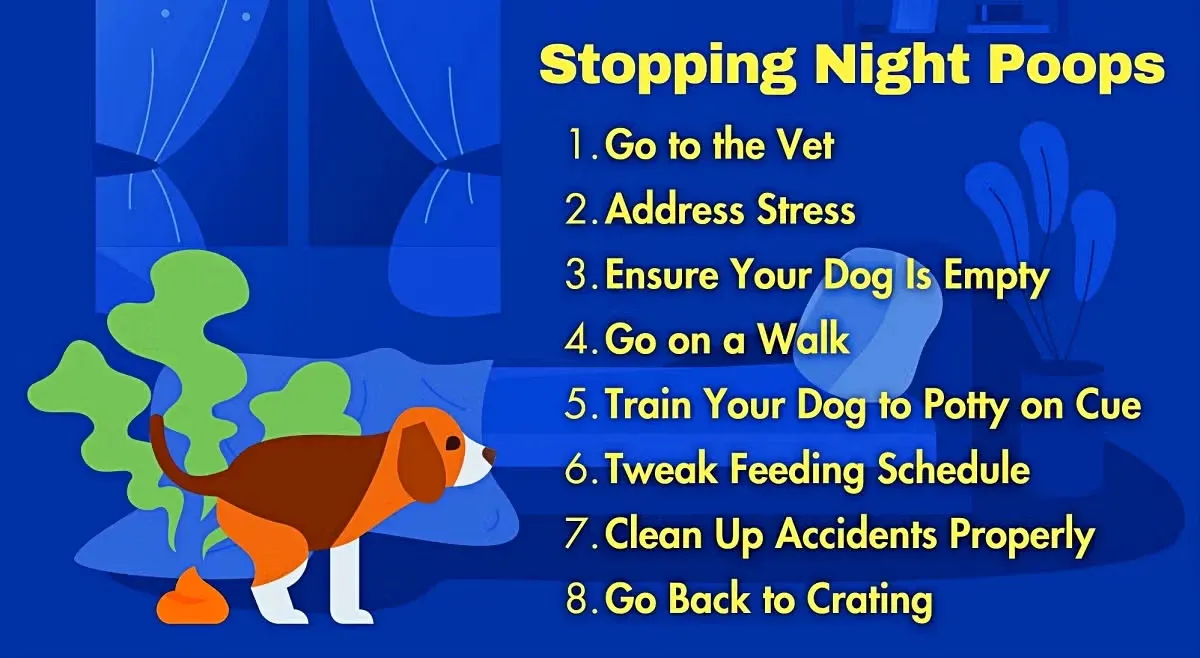
Here are eight steps to addressing (and hopefully stopping) those dreaded night poops.
Canva.com/PhotoScape
As we've seen, there are multiple causes. Solutions vary. Here are several general tips.
1. Have Your Dog See the Vet
A vet visit can rule out medical conditions. Bring a fecal sample to check for parasites. It should be the first step because medical issues need treatment. For transient digestive issues, your vet may prescribe medications and a bland diet.
2. Address Any Stress
If stress is the cause, address it. Calming aids like DAP diffusers, supplements, or prescription meds can help. If fears are involved, gradual exposure and positive associations can help, possibly with a behavior professional.
3. Ensure Your Dog Is Empty
Make sure your dog is empty before bed. Go outside with them to ensure they pee and poop. Bring a flashlight if needed.
4. Take Your Dog on a Walk
If your dog takes time to potty, a walk can help. Use a longer leash if needed. Walking stimulates digestion and bowel movements.
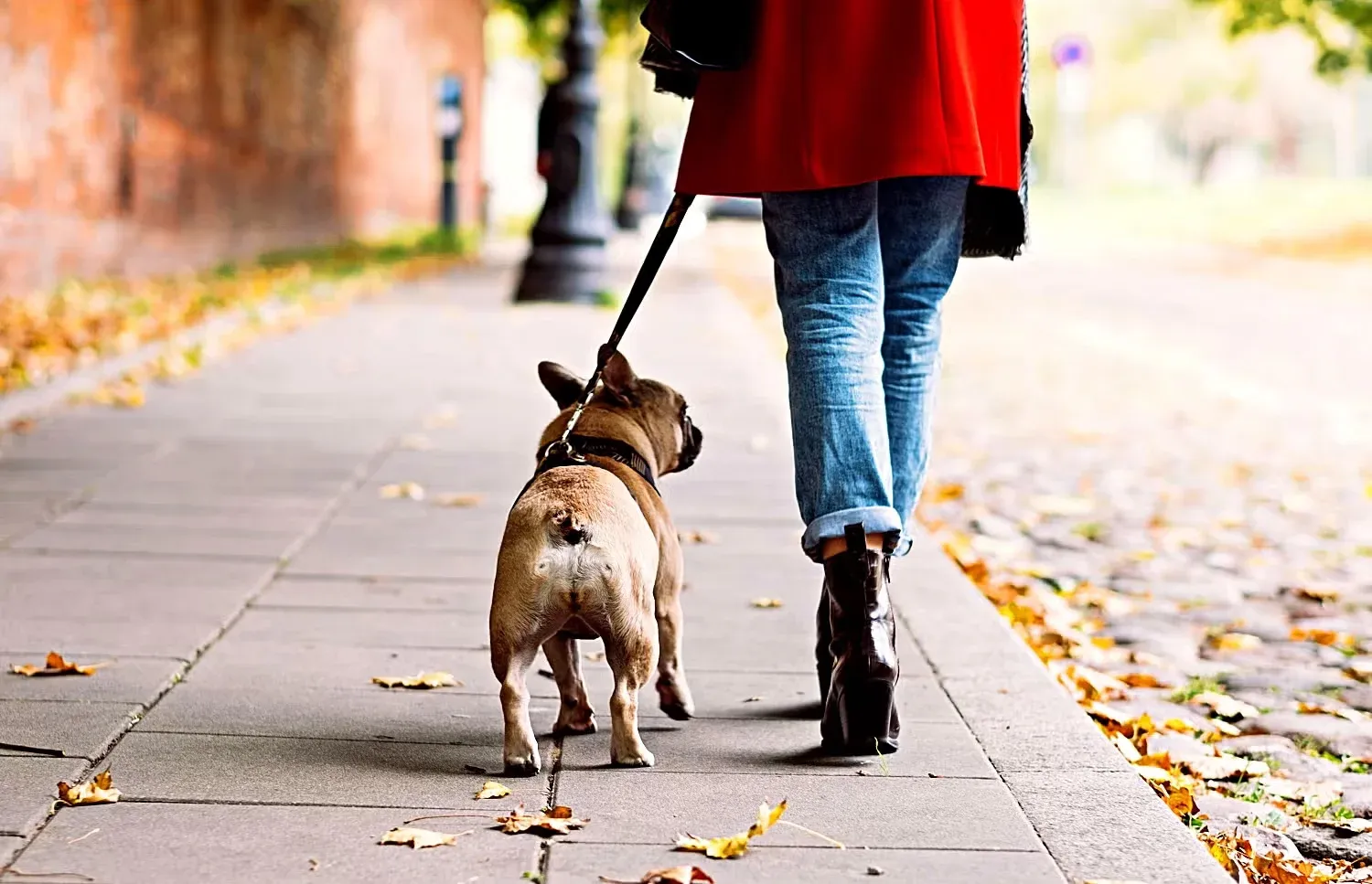
Walking stimulates various bodily functions, including the digestive system, which can help promote bowel movements.
Photo by freestocks.org on Flickr/PhotoScape
5. Train Your Dog to Potty on Cue
Training a dog to potty on cue is beneficial long-term. With patience, they'll learn to go outside to eliminate before other activities.
6. Tweak Your Dog’s Feeding Schedule
If free-fed, try scheduled feedings. No food or treats after 6 pm may help. Dogs typically defecate within an hour of eating due to the gastrocolic reflex.
7. Clean Up Accidents Properly
Clean accidents properly to prevent repeat marking. Use an enzyme-based cleaner like Nature’s Miracle.
8. Go Back to Crating
If your dog roams at night, crating may help. A crate prevents activity that stimulates digestion. Keep it in your bedroom to monitor. If they wake and move a lot, take them out.
What if My Dog Wakes Up To Poop in the Crate?
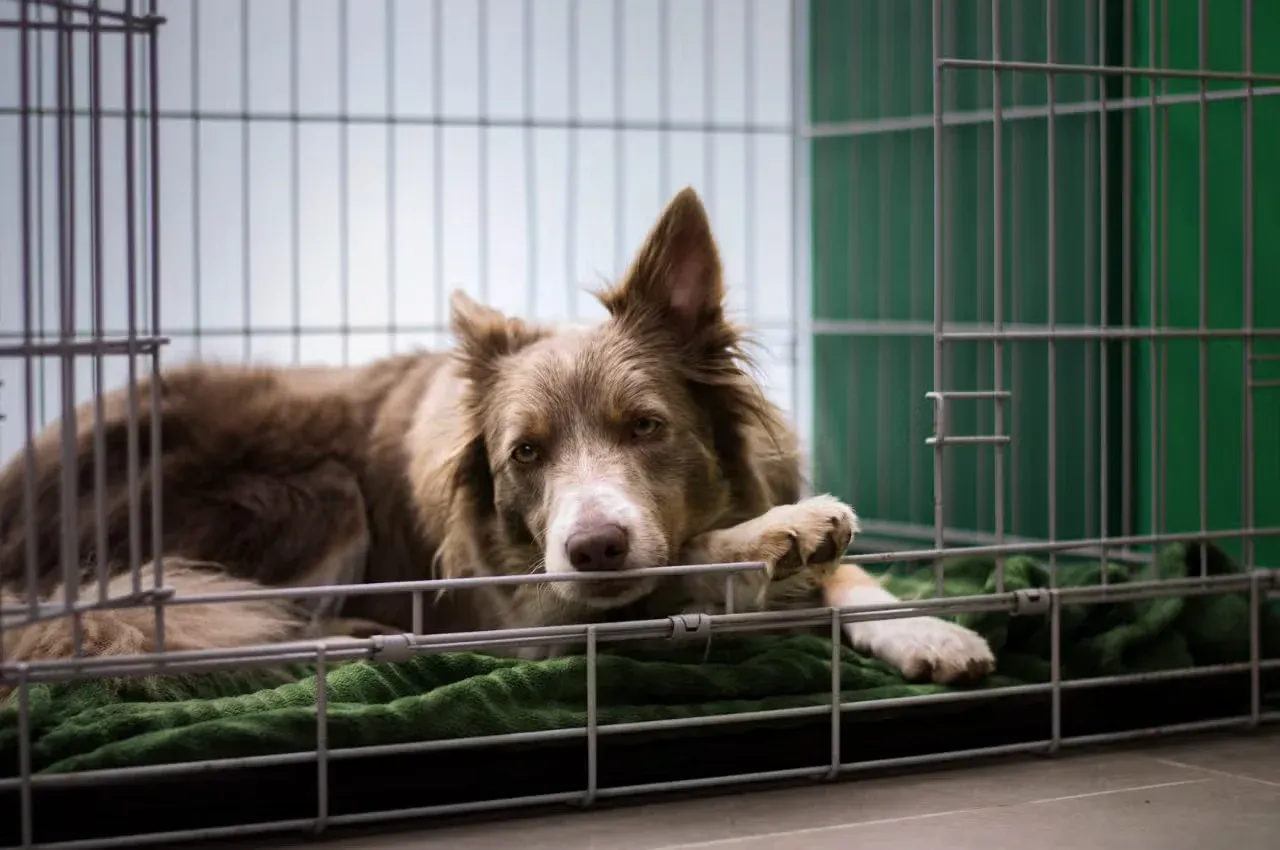
A crate can help avoid accidents because the dog is prevented from being active. Too much activity or play stimulates the dog’s digestive and urinary systems.
Ayla Verschueren via Unsplash; Canva
Most dogs avoid soiling their den, but some may not hold it, especially if sick. Pooping in the crate can become habit. Address health issues and prevent accidents by taking them out before they soil. Ensure the crate is the right size—just enough to stand, turn, and lie down. If too large, they may soil one side and sleep on the other. Use a smaller crate or partition.
References
- Candellone A., Cerquetella M., Girolami F., Badino P., Odore R. Acute Diarrhea in Dogs: Current Management and Potential Role of Dietary Polyphenols Supplementation. Antioxidants (Basel). 2020.
- Donaldson, Jean. Dogs Are From Neptune. Dogwise. 2009.
- Linder, Deborah E. “How do I switch my pet’s food?” Cummings School of Veterinary Medicine, Tufts University, Petfoodology. 2019.
If your puppy or dog shows signs of potential aggression (lunging, barking, growling, snapping, biting), please consult with a dog behavior professional for direct in-person guidance. Articles, videos, and general information provided online are not meant to replace in-person training/instruction. By using this service, you are waiving any liability claims or other types of claims related to any of your dogs’ behaviors against you or others.
© 2023 Adrienne Farricelli CPDT-KA, Dip.CBST
Sources
- Why Does Your Dog Wake Up to Poop at Night? — pethelpful