Understanding Shell Wrinkling and Cracks in Soft-Shelled Turtles
Sam Wood
Can Turtles Develop Wrinkles?
Anurag shares his experience: "A few months back, I rescued an Indian Flapshell turtle. I brought it home and took good care of it. I am feeding two times—shrimps, turtle food, etc. It has been very active, roaming around my house. It eats in a tub when filled with water and at night sleeps in a dry area which is well maintained and clean."
He continues: "Recently, as the winter is approaching, I have seen a slower eating pattern change, so we are keeping the turtle in sunlight as much as possible during the day."
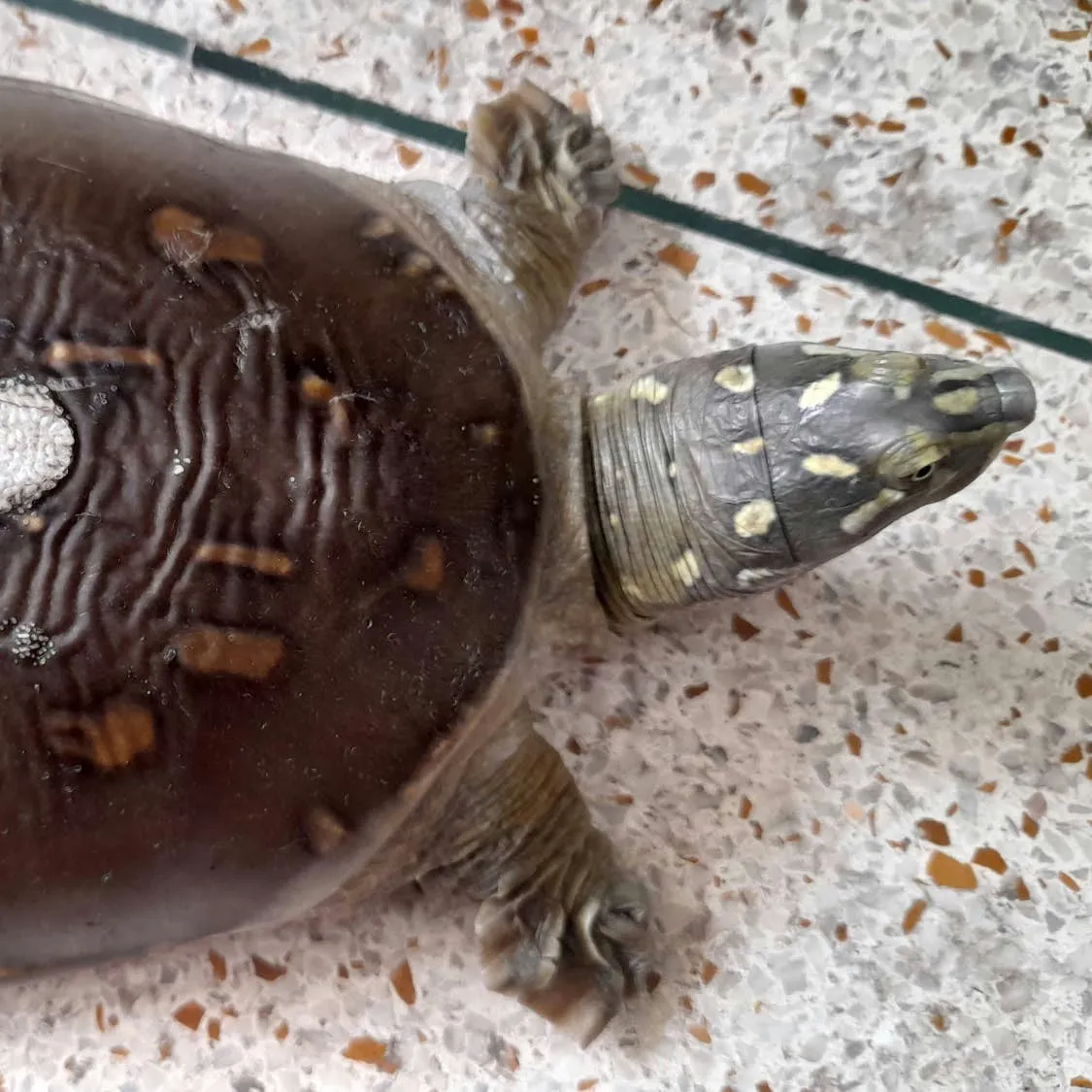
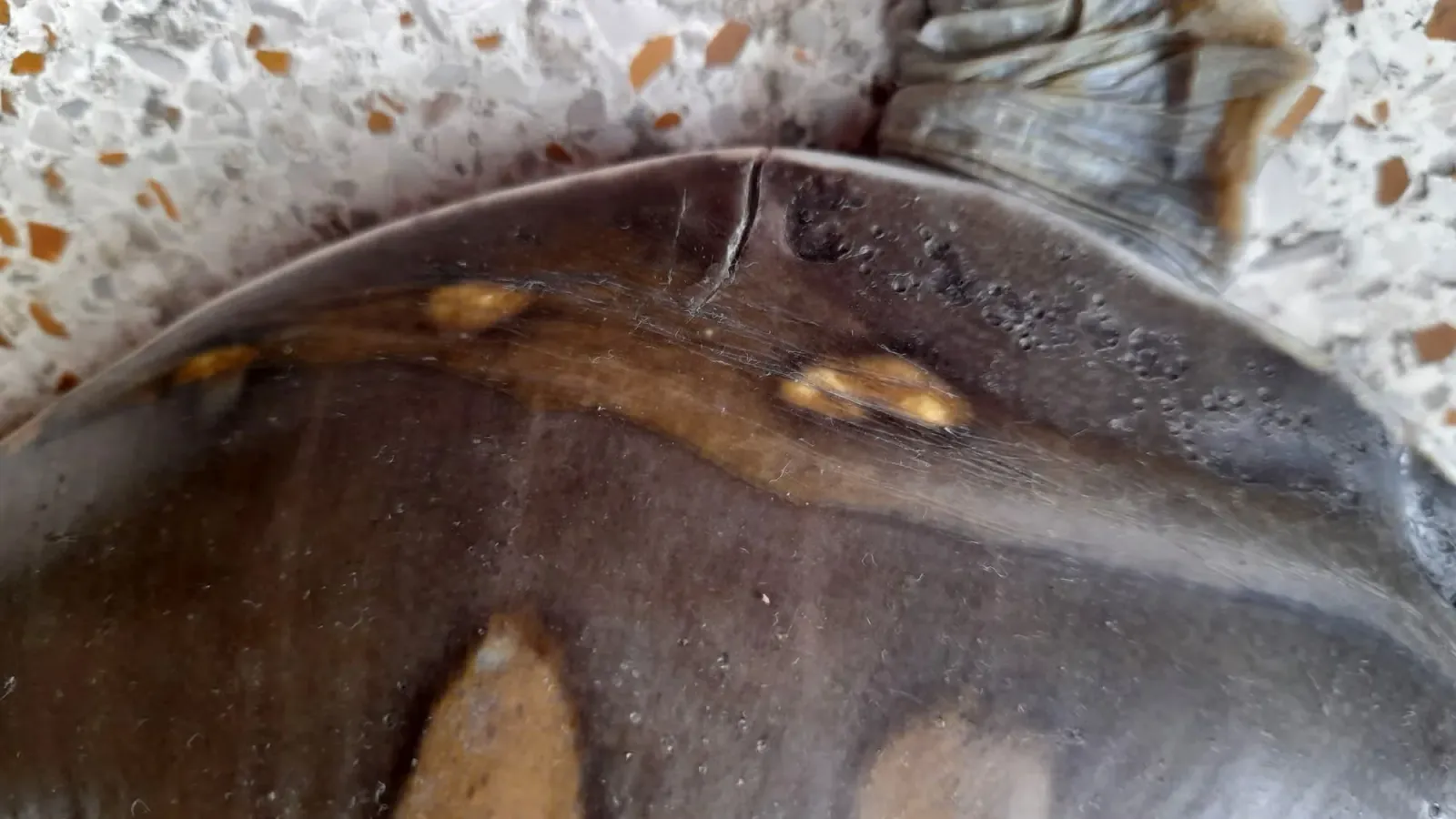
He then notes: "In the last few weeks, we have noticed that ‘wrinkles’ have developed on the turtle’s upper hard shell. The wrinkled area is growing and there is a crack developing on the side of the shell."
Anurag asks: "Please suggest what I can do to prevent this from spreading and to keep the turtle safe and healthy.”
Cooler Temperatures Can Lead to Wrinkling
Based on the photo, the wrinkles appear to be typical changes and not a cause for concern. In northern India, where it is getting cooler, some turtles develop shell wrinkles as a response to the colder weather.
Water Must Be Available at All Times
However, the mention of the turtle sleeping in a separate dry area at night raises a question: does the turtle have no access to water during the night?
Soft-shelled turtles, unlike tortoises, need to periodically moisten their shells by dipping in water, even at night.
When soft-shelled turtles are denied water at night, I have observed drying and even clinical dehydration. They are far more susceptible to wrinkles from mild dehydration compared to hard-shell turtles; tortoises, for instance, never develop wrinkles.
Will a cracked turtle shell heal?
Photo by Owner
Is It Possible to Fix a Cracked Turtle Shell?
The small crack on your turtle's shell may be a result of mild dehydration.
For small turtles, small cracks can be treated by soaking them in a diluted chlorhexidine solution. Below is a treatment protocol created by a turtle conservation center.
Steps to Treat a Cracked Turtle Shell
- Disinfect the crack with 0.05 percent chlorhexidine on a gauze pad for at least 5 minutes.
- Rinse the wound with sterile saline until all disinfectant is gone (at least one minute).
- Dry the crack with a swab.
- Apply silver sulfadiazine 1% cream to the crack.
- Record the wound size. It should decrease daily.
At this stage, ensuring your turtle can access its soaking area at night is the most critical step. Keeping the water in the main tank cleaner may also help; if necessary, various filters and air pumps can maintain fresh water.
This article is not intended to replace diagnosis, prognosis, treatment, prescription, or formal and individualized advice from your veterinarian. Animals showing signs of distress should be seen by a veterinarian immediately.
© 2023 Mark dos Anjos, DVM