My Neutered Male Bichon Is Attacking Me—Is the Older Female's Heat to Blame?
Emerson Watson

When a Male Dog Turns Aggressive in a Multi-Dog Home
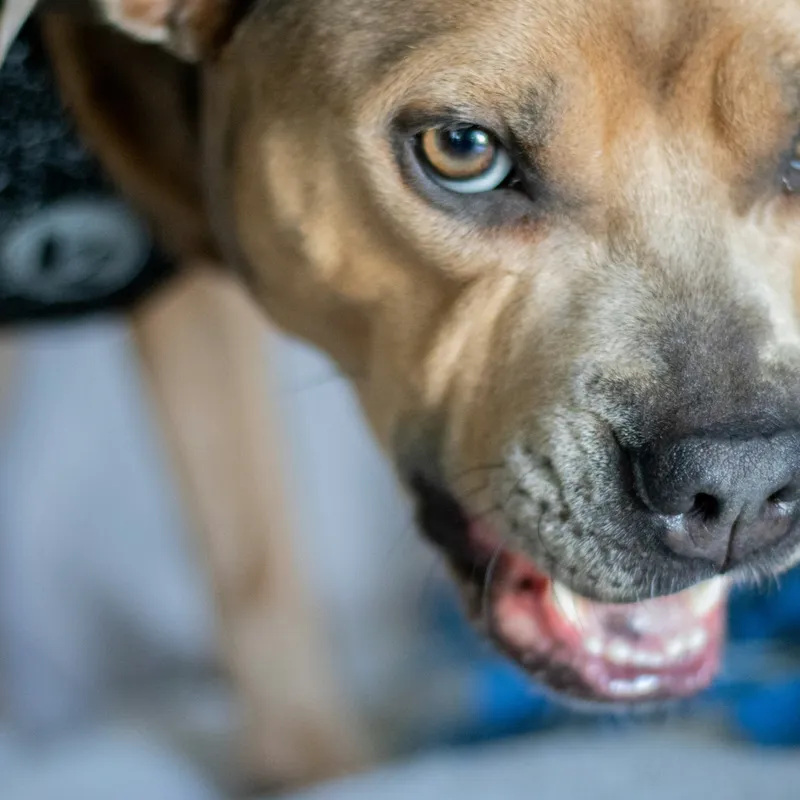
A reader named Amanda describes a difficult situation: her 15-year-old rescue Shih Tzu, who is not spayed, appears to have been in heat for eight weeks without visible discharge. Meanwhile, her 5-year-old Bichon has become highly agitated and aggressive. He has attacked Amanda when she tries to move him away from the female, biting her hand and legs the previous night. She keeps the dogs separated, but he escapes quickly. Amanda feels sorry for him because he seems stressed, yet she cannot continue being attacked and is extremely stressed herself.
Determining Whether a Dog Is Actually in Heat
If a dog shows no obvious signs but you suspect she is still in season, a visit to your regular veterinarian is necessary. A vaginal cytology swab can reveal whether the cells typical of heat are present.
Options for Stopping a Heat Cycle
When a dog is confirmed to be in heat, there are a few approaches. One option is an injection designed to end the heat cycle.
Ruling Out an Ovarian Tumor
Before using that injection, however, an ultrasound of the ovaries is worth considering. This can show whether a tumor is releasing hormones and driving the cycle.
If a hormone-producing ovarian tumor is found, it needs to be addressed. Roughly 6% of unspayed dogs will develop ovarian cancer. (1)
Considering Spaying
If an ultrasound is not performed, the most effective step is often an ovariohysterectomy—removing the ovaries and uterus. Older dogs face a higher risk of pyometra, a uterine infection. Removing the ovaries prevents that condition and also eliminates the possibility of ovarian cancer later in life.
Addressing Aggression in Dogs
It is also possible that the female is not in heat, does not have cancer, and that the male's aggression is unrelated to pheromones.
Have her examined first. If everything comes back normal, several established methods can be used to treat aggression. Consulting your regular veterinarian or an animal behaviorist may also be necessary.
Seeking help sooner is better. Many aggression problems are only resolved successfully when they are addressed early. (2)
Sources
(1) Best MP, Frimberger AE. Ovarian carcinomatosis in a dog managed with surgery and intraperitoneal, systemic, and intrapleural chemotherapy utilizing indwelling pleural access ports. Can Vet J. 2017 May;58(5):493-497. i.nlm.nih.gov/pmc/articles/PMC5394607/#b2-cvj_05_493
(2) Ian R. Dinwoodie, Vivian Zottola, Nicholas H. Dodman, An investigation into the effectiveness of various professionals and behavior modification programs, with or without medication, for the treatment of canine aggression, Journal of Veterinary Behavior, Volume 43, 2021, Pages 46-53..sciencedirect.com/science/article/abs/pii/S1558787821000174
This article is not meant to substitute for diagnosis, prognosis, treatment, prescription, or formal and individualized advice from your veterinarian. Animals exhibiting signs and symptoms of distress should be seen by a veterinarian immediately.
© 2023 Mark dos Anjos, DVM