Could Hot Spots Be Behind Your Dog's Hair Loss?
Charlie Evans
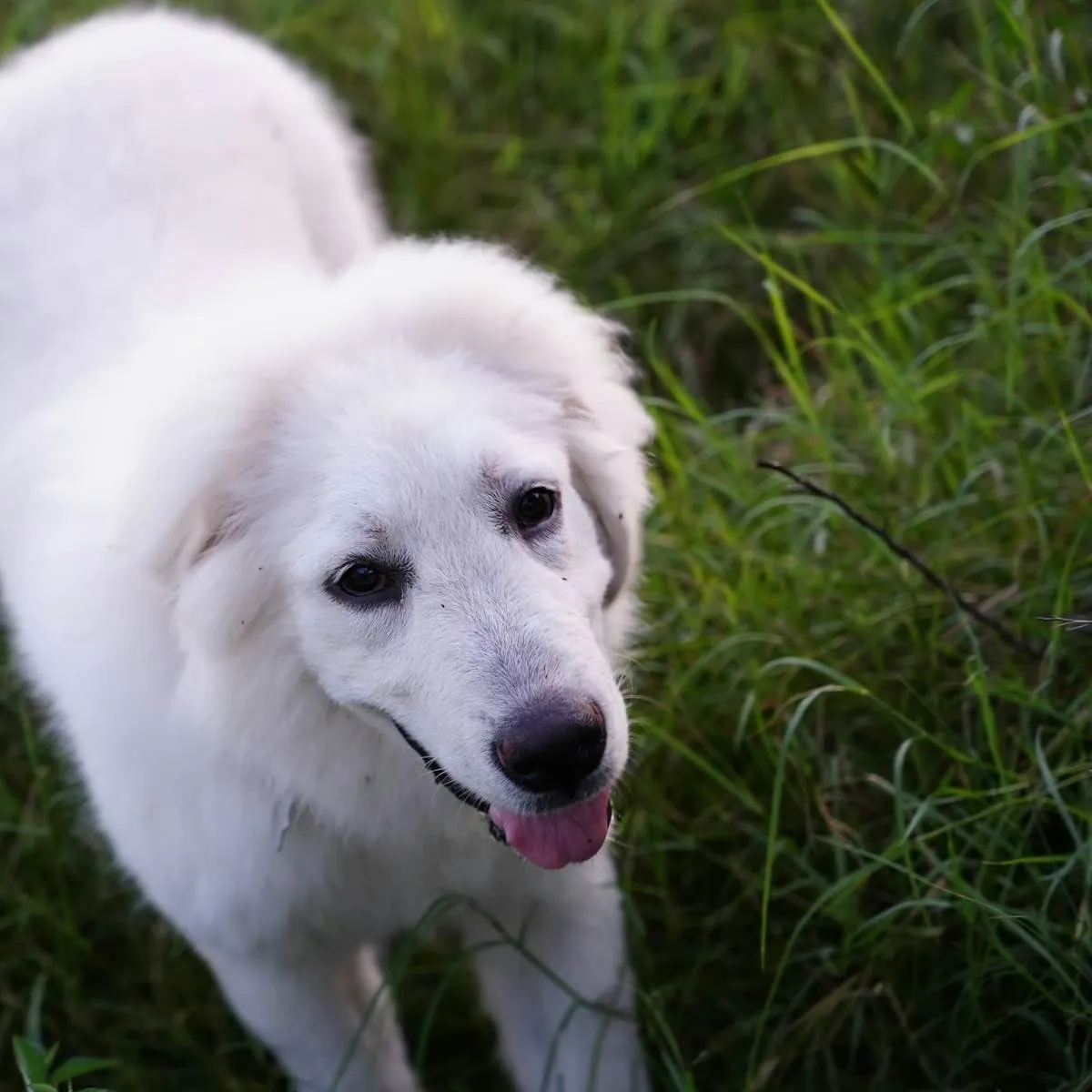
Desiree's Great Pyrenees Is Shedding Hair Across Her Back
"I have a Great Pyrenees, and I believe she has hot spots but it has spread all the way across her back and she has lost almost all her hair. It's very thin and steadily coming out. I used a spray that the vet recommended, and it made the spots worse (certain spots had more pus and bled). The shampoo I have seems to help a lot. But I'm not sure what is making it spread across her back and causing her to lose her hair the way it is. She's an outside dog.
This has been going on for weeks now. Any suggestions on what to do?" —Desiree
What Might Be Behind the Hair Loss
When handled properly, hot spots can often be managed at home. With Desiree's dog, though, an underlying condition likely needs attention.
Flea Allergy
Fleas would be the first thing to consider given the combination of hair loss and hot spots. Is the dog receiving an effective flea preventive? For allergic dogs, a single flea bite can trigger both hair loss and hot spots. Even when no fleas are visible, the base of the tail along the back is worth checking for the black flakes fleas leave behind.
Seasonal Allergies
Summer allergies could also be involved, and by this point pyoderma — a deeper bacterial skin infection — may have developed.
Hypothyroidism
If there is no itching along with the hair loss, hypothyroidism would be another concern. Other causes of hair loss in dogs also exist.
Bring Her In for an Exam
A vet visit is needed so blood work can be run for hypothyroidism; during the same exam, the veterinarian can determine whether this is simply hot spots or a generalized bacterial infection, pyoderma. An antibacterial medicated shampoo may be part of the treatment plan.
Until the skin has been examined, hold off on the spray. The vet can also prescribe something to keep the hot spots or pyoderma from worsening in the short term, which should help her feel more comfortable.
This article is not meant to substitute for diagnosis, prognosis, treatment, prescription, or formal and individualized advice from your veterinarian. Animals exhibiting signs and symptoms of distress should be seen by a veterinarian immediately.
© 2022 Mark dos Anjos, DVM
Sources
- Could Hot Spots Be Behind Your Dog's Hair Loss? — pethelpful