Can Coconut Oil Relieve Constipation in Dogs? An Overview of Benefits and Safety
Charlie Mitchell
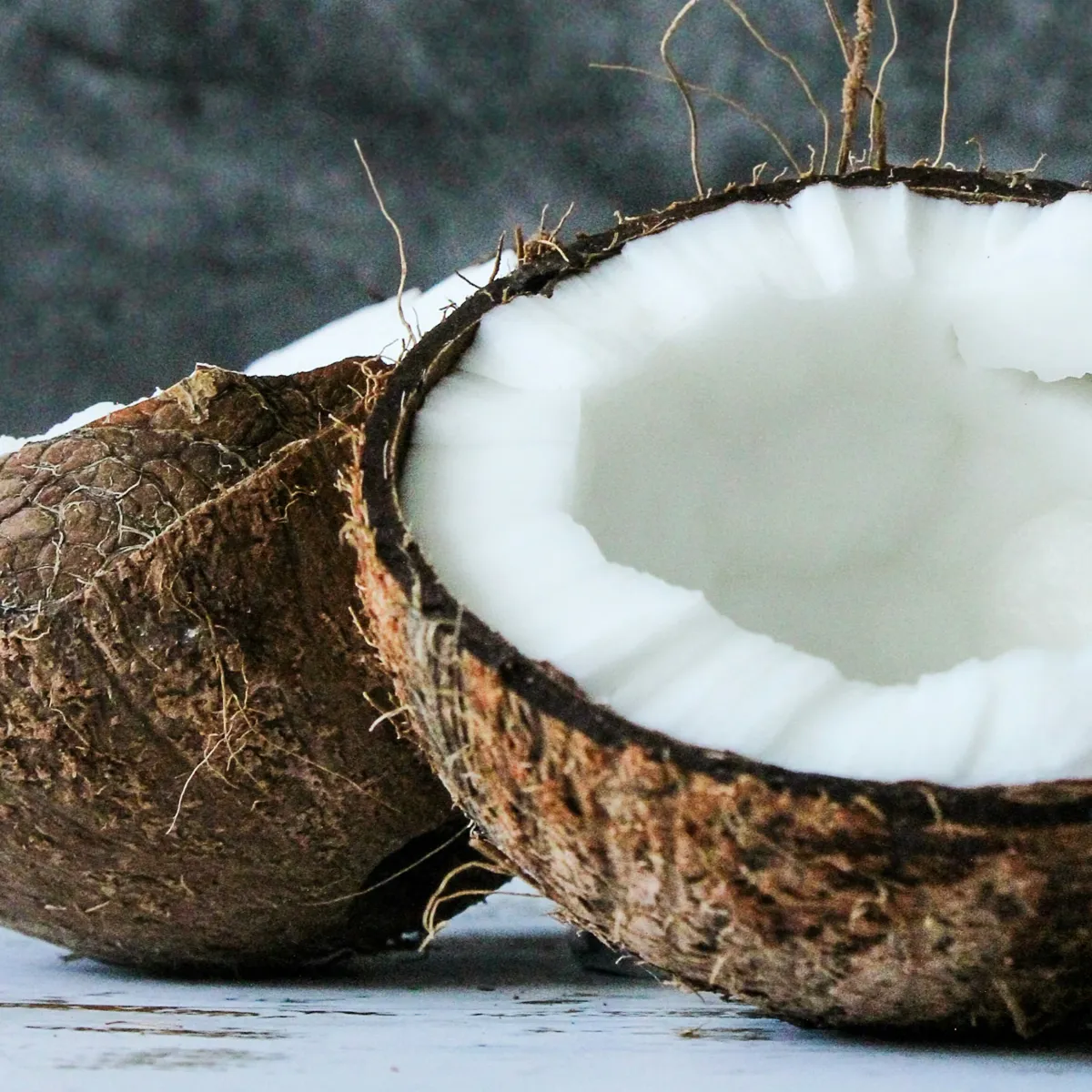
What Makes Coconut Oil a Potential Remedy for Dog Constipation?
In certain instances of constipation in dogs, coconut oil can serve as a useful treatment. It works by coating the stool and intestinal lining, which eases the passage of hardened feces. This lubricating effect is particularly helpful when a dog has consumed items like raw bones or cat litter, which can lead to dry, abrasive stools.
Nevertheless, other oils such as olive oil and mineral oil offer the same lubricating benefit. So what sets coconut oil apart?
Antioxidant Content in Coconut Oil
Coconut oil is known to possess anti-inflammatory effects, and it is likely that these properties also support the health of a dog's colon and might enhance its function. (1) Constipation can arise from multiple causes, and inflammation of the bowel that impairs its efficiency is one possibility.
The antioxidants present in coconut oil could contribute to better bowel function, though research in this area is ongoing and currently limited.
Safety Profile of Coconut Oil for Dogs
Research involving pigs and dogs has shown that even with large intakes of medium-chain triglycerides from coconut oil, blood fat levels did not rise. (2, 3) It is considered a safe additive to food, but the ideal dosage is not precisely established and relies on anecdotal reports.
Determining the Right Amount of Coconut Oil for Your Dog
Offering a tablespoon of coconut oil mixed into your dog's meal is acceptable, and you should watch how they respond. If their stools remain normal, that is a positive indicator, and you can gradually increase the amount at each feeding. Should diarrhea develop—a common issue when adding any oil to food—simply reduce the dose back to the previous day's level, when no diarrhea occurred.
No long-term studies have been conducted in humans or dogs to assess potential health risks. Because coconut oil is a food item and only one component of a complete diet, it is improbable that such long-term research will ever be undertaken.
References
- Basson AR, Chen C, Sagl F, Trotter A, Bederman I, Gomez-Nguyen A, Sundrud MS, Ilic S, Cominelli F, Rodriguez-Palacios A. Regulation of Intestinal Inflammation by Dietary Fats. Front Immunol. 2021 Feb 2;11:604989. doi: 10.3389/fimmu.2020.604989. PMID: 33603741; PMCID: PMC7884479. i.nlm.nih.gov/33603741/
- Hall, J. A., & Jewell, D. E. (2012). Feeding healthy beagles medium-chain triglycerides, fish oil, and carnitine offsets age-related changes in serum fatty acids and carnitine metabolites. PloS one, 7(11), e49510. i.nlm.nih.gov/pmc/articles/PMC3492282/
- Newell-Fugate, A. E., Lenz, K., Skenandore, C., Nowak, R. A., White, B. A., & Braundmeier-Fleming, A. (2017). Effects of coconut oil on glycemia, inflammation, and urogenital microbial parameters in female Ossabaw mini-pigs. PloS one, 12(7), e0179542. i.nlm.nih.gov/pmc/articles/PMC5509134/
This article is not meant to substitute for diagnosis, prognosis, treatment, prescription, or formal and individualized advice from your veterinarian. Animals exhibiting signs and symptoms of distress should be seen by a veterinarian immediately.
© 2022 Mark dos Anjos, DVM